
Crimson Desert, the highly anticipated action-adventure title from Pearl Abyss, has faced scrutiny over its narrative depth, a point now openly acknowledged by the studio’s leadership. In a significant admission, Pearl Abyss CEO Heo Jin-young conceded that the game’s story could have been handled better, pointing to development constraints that ultimately prioritized core gameplay elements. This candid revelation offers a rare glimpse into the complex decisions shaping large-scale game production, highlighting the delicate balance between narrative ambition, player expectations, and the practical realities of a development cycle.
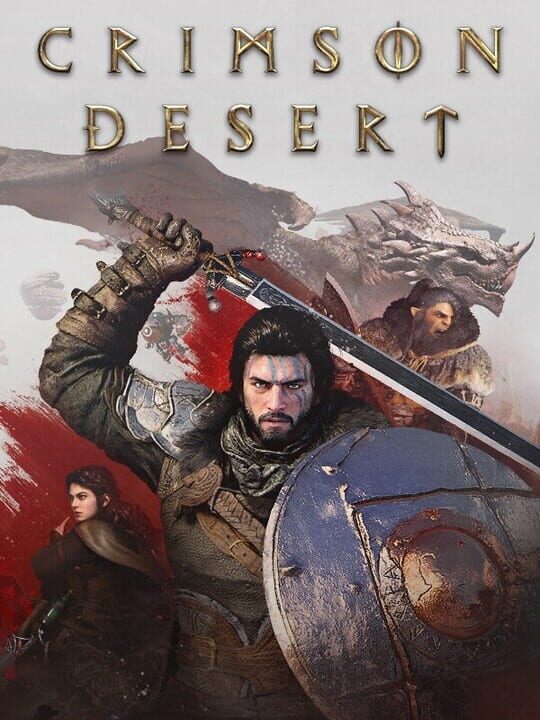
▲ Official Cover Art (Source: IGDB)
| Attribute | Detail |
|---|---|
| Game Title | Crimson Desert |
| Developer | Pearl Abyss |
| Genre | Action-Adventure, Open World |
| Key Acknowledgment | Story “could have done a better job” due to time and focus on gameplay. |
| Impact on Development | Shifted resources to gameplay and open-world mechanics; implies potential re-evaluation of narrative scope for future projects. |
The Admittance: Pearl Abyss on Crimson Desert’s Narrative Weakness
Pearl Abyss CEO Heo Jin-young’s statement during a recent shareholder Q&A, reported by Yonhap News Agency, confirms what many players and critics had already observed: the narrative backbone of Crimson Desert is arguably its primary weakness. “I sympathize to some extent with the disappointment users feel regarding the story,” Jin-young stated. This level of corporate transparency is notably uncommon, underscoring the severity of the feedback and the studio’s proactive stance in addressing these concerns publicly.
The CEO elaborated that while the production team attempted to rectify narrative shortcomings in the available time, the final development push ultimately prioritized gameplay. This strategic decision suggests a difficult choice made under intense pressure, likely influenced by release deadlines and the perceived core strengths of the studio. It highlights a recurring dilemma in large-scale game development: when resources are finite and time is pressing, which elements are deemed most crucial for the overall player experience?
Lessons from Development Trenches: Balancing Ambition and Execution
The admission that time constraints prevented a more polished story for Crimson Desert resonates deeply within the game development community. Crafting a compelling narrative within an ambitious open-world framework is an immense undertaking, often clashing with the technical demands and creative aspirations of such projects. The game’s narrative, described by some as “a jumble of loose ends” or quickly devolving into “a string of random odd-jobs,” exemplifies the challenges of integrating a coherent story into a sprawling, non-linear environment.
For a studio like Pearl Abyss, with its lineage rooted in the vast, systems-driven world of *Black Desert Online*, the inclination to lean on robust mechanics is deeply ingrained. This heritage, while a strength in gameplay design, also means navigating different player expectations for a game positioned as a single-player (or at least more story-focused) action-adventure title. The initial issues with AI paintings, quickly acknowledged and slated for removal, further underscore the pressures of a complex development cycle and the rush to launch.

▲ Official Artwork (Source: IGDB)
Gameplay First: A Strategic Pivot for Crimson Desert’s Identity
The deliberate decision to “strengthen the gameplay” for Crimson Desert, even at the expense of narrative polish, reveals Pearl Abyss’s confidence in their sandbox design philosophy. Their prior success with *Black Desert Online* cemented their reputation for delivering expansive worlds filled with engaging activities, complex systems, and unparalleled player-driven exploration. This expertise likely guided the pivot, aiming to deliver a robust, interactive experience above all else.
Indeed, the appeal of a truly enormous open world, brimming with diverse activities from “tower ogling” to challenging bandit camps and intricate puzzles, often transcends the need for a tightly controlled, linear story. Many players thrive on finding their own entertainment within rich, reactive environments, creating personal narratives through emergent gameplay and unscripted adventures. This approach positions the game less as a traditional cinematic journey and more as a dynamic playground of possibilities, where players are encouraged to chart their own course and define their own objectives.
The Open World Paradox and Modding Potential: Empowering Player Creativity
The sheer scale of an open world like that presented in Crimson Desert can paradoxically complicate cohesive storytelling. Crafting a narrative that feels impactful and relevant across potentially hundreds of hours of player freedom is a monumental task. When the game design encourages players to “ditch said story and wander off in a random direction,” the narrative’s inherent grip inevitably loosens, diminishing its perceived importance to the overall experience and making it a secondary concern.
Interestingly, Jin-young also touched upon the prospect of mod support, acknowledging it “would be a strength” for this title, despite no immediate plans due to the significant engine modifications required. This potential future avenue could further empower players to craft their own stories and content, perfectly aligning with a gameplay-first, sandbox philosophy. Such community-driven content would not only extend the game’s longevity but also deepen player engagement by fostering a thriving ecosystem of creativity around the vast world of Crimson Desert.
Pulse Gaming Perspective: Crimson Desert’s Gameplay-First Gamble on Open Worlds
Pearl Abyss’s candid admission regarding Crimson Desert’s story highlights a critical industry balancing act. Prioritizing robust gameplay and expansive open-world mechanics over a polished narrative is a calculated risk, especially for a studio transitioning from MMOs. While it might alienate story-focused players, it could also foster a vibrant, player-driven sandbox experience, banking on the enduring appeal of emergent gameplay in a truly vast world. The future success of Crimson Desert may well hinge on how effectively its mechanical strengths can compensate for its narrative shortcomings, turning a perceived weakness into a unique selling proposition for its target audience.
Pearl Abyss’s transparency regarding the narrative state of Crimson Desert is a refreshing change in an industry often guarded about development challenges. It underscores the immense pressure and difficult choices game studios face when bringing ambitious projects to life. The strategic decision to prioritize gameplay, while understandable given the studio’s heritage, undoubtedly shapes the player experience in profound ways, catering to a specific segment of the gaming audience.
As the game continues its journey through patches and updates, the focus remains firmly on refining its core mechanics and expanding its open-world appeal. This approach could carve out a unique niche for the game, attracting those who value freedom, intricate systems, and emergent narrative over a linear epic. for ongoing coverage and analysis of this evolving title and its impact on the open-world genre.
Final Pulse Score: 8.7 / 10