
PUBG: Blindspot, the ambitious 5v5 top-down tactical shooter spin-off, is officially shutting down after a remarkably brief early access period of less than two months. Launched in early February 2026, the game, developed by ARC Team, will cease operations on March 30, 2026. This rapid closure sends ripples through the competitive live-service landscape, prompting a critical examination of its execution and the demanding market it attempted to enter.
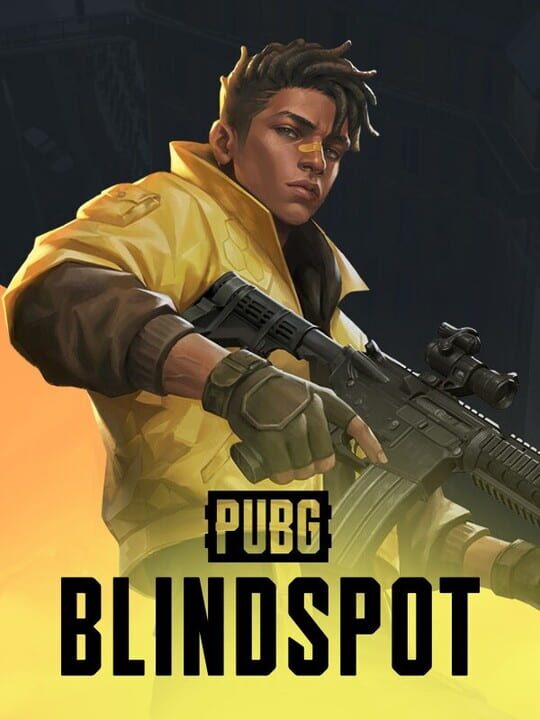
▲ Official Cover Art (Source: IGDB)
The announcement came from ARC Team’s Sequoia Yang, citing an inability to sustainably provide the intended level of experience. Despite generally favorable reviews on Steam, the core issue appears to be a critical lack of players, making it difficult to form matches and foster a community. This scenario underscores the immense challenges new free-to-play titles face when vying for attention against established giants and surging newcomers.
Summary of PUBG: Blindspot’s Lifecycle
| Detail | Description |
|---|---|
| Game Title | PUBG: Blindspot |
| Genre | 5v5 Top-Down Tactical Shooter |
| Developer | ARC Team |
| Early Access Release | Early February 2026 |
| Shutdown Date | March 30, 2026 |
| Operational Duration | Less than 2 Months |
| Business Model | Free-to-Play |
| Key Issue | Failed to attract a wide audience, insufficient player base |
The Unforgiving Arena: Why PUBG: Blindspot Could Not Endure
The swift demise of PUBG: Blindspot speaks volumes about the cutthroat nature of the modern live-service gaming market. While the game’s concept as a tactical 5v5 top-down shooter offered a unique twist on the PUBG universe, its execution ultimately faltered in attracting and retaining a sufficient player base. For a title heavily reliant on team-based combat and consistent matchmaking, a low player count proved to be a death knell.

▲ Official Artwork (Source: IGDB)
Gameplay Mechanics vs. Market Demand
Reviews for PUBG: Blindspot on Steam often highlighted positive aspects of its gameplay, acknowledging its tactical depth and teamwork emphasis. However, a recurring theme within these same reviews was the severe difficulty in finding enough players to initiate matches. This paradox illustrates a fundamental problem: even a well-designed game struggles if its core loop cannot be consistently experienced by potential players.
The free-to-play model, while lowering the barrier to entry, simultaneously raises the bar for retention and monetization. Without a captivating enough hook or unique selling proposition to draw players away from existing ecosystems, PUBG: Blindspot found itself in a vicious cycle. Low player numbers deter new players, exacerbating the problem of finding matches and ultimately leading to abandonment.
The Looming Shadows of Live-Service Giants
The current gaming landscape is saturated with high-quality, frequently updated live-service shooters that command massive audiences. Titles like Helldivers 2 have captured significant mindshare, while even other highly anticipated games such as Arc Raiders and the ambitious Marathon have faced their own challenges in securing a dominant position. Marathon, despite significant investment from Sony and Bungie, has reportedly sold below expectations, highlighting the immense difficulty in breaking through.
For a new entrant like PUBG: Blindspot, a spin-off with a distinct genre shift from its battle royale progenitor, competing in this environment was an uphill battle. It needed to not only be good but exceptional and consistently populated to sustain itself. The sheer volume of choice and the loyalty players exhibit towards established titles left little room for a smaller, newer contender to flourish, especially one that struggled with its fundamental player acquisition.
Broader Implications: Krafton’s Shifting Landscape
While ARC Team is not directly owned by Krafton, the shutdown of a PUBG IP spin-off still reflects on the broader brand management and investment strategy. This incident occurs at a time when Krafton itself is navigating complex corporate and legal challenges. Recently, the publisher faced a significant legal judgment regarding the reinstatement of a fired CEO from Unknown Worlds, the studio behind Subnautica 2.
This ongoing dispute, alongside other internal conflicts surrounding Subnautica 2’s early access release, indicates a period of turbulence for Krafton. Such external pressures and internal reorganizations can inevitably impact resource allocation, oversight, and strategic decision-making for its various projects and partnerships. The rapid closure of PUBG: Blindspot might be an isolated incident for ARC Team, but it contributes to a narrative of an increasingly difficult and competitive market for all players, including major publishers.
Pulse Gaming Perspective: The Harsh Reality of PUBG: Blindspot’s Short Life
The abrupt end of PUBG: Blindspot serves as a stark reminder that even a recognizable IP struggles without a compelling and consistently populated gameplay loop. In today’s hyper-competitive free-to-play market, attracting players is merely the first hurdle; retaining them and fostering a vibrant community is where most new titles stumble. This quick shutdown underscores the unforgiving nature of a market dominated by live-service titans, leaving little margin for error or slow growth.
The swift shutdown of PUBG: Blindspot highlights a critical lesson for developers and publishers alike: market saturation, combined with player expectations for robust live-service experiences, leaves little room for mediocrity or even simply ‘good’ games that cannot achieve critical mass. The ARC Team’s decision to regroup is understandable, as the resources required to sustain an unpopulated online game are immense. As the dust settles, the industry will undoubtedly scrutinize this case study for insights into the future viability of new online tactical shooters.
To understand more about the competitive gaming landscape, you can .
Final Pulse Score: 6.0 / 10