
Deadlock is currently redefining what it means to be a MOBA by shattering the two-dimensional constraints that have defined the genre for over a decade. While traditional titles focus heavily on top-down clicking and rigid lane positioning, Valve’s latest masterwork introduces a layer of verticality and mechanical depth that feels more like a high-speed shooter than a strategic grind. This shift isn’t just aesthetic; it fundamentally alters the player’s agency during high-stakes engagements and ganks.
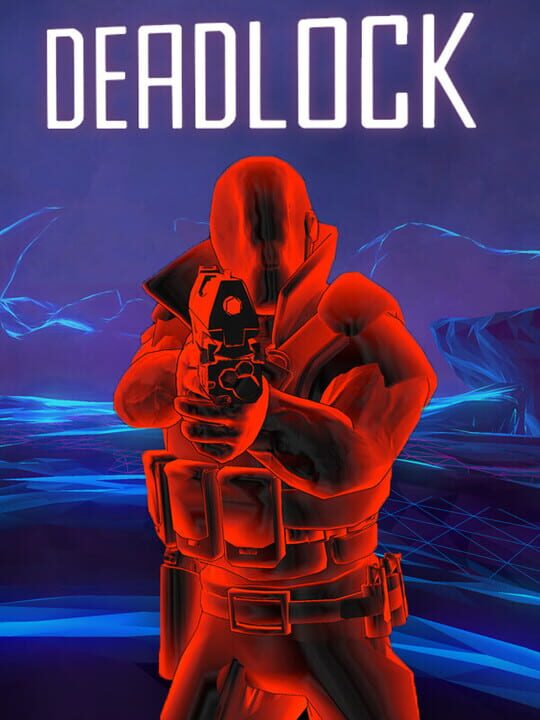
▲ Official Cover Art (Source: IGDB)
| Category | Details |
|---|---|
| Game Title | Deadlock |
| Developer | Valve |
| Genre | Third-Person Hero Shooter / MOBA |
| Primary Map | The Cursed Apple |
| Core Mechanics | Air Strafing, Mantle Sliding, Zip-Dashing |
The Death of the Unskippable Cutscene
In legacy MOBAs like Dota 2, being caught out of position often results in what players call an unskippable cutscene. You get stunned, your screen flashes, and you watch your health bar disappear while clicking fruitlessly toward a safety you will never reach. Deadlock changes this dynamic entirely by providing a suite of movement tools that allow for genuine outplay potential even when the odds are stacked against you.
The movement suite in Deadlock is a callback to Valve’s rich history with the Source engine, incorporating advanced techniques such as air strafing, dash-jumping, and wall jumping. These aren’t just flashy tricks for the highlight reels; they are essential survival tools. When a gank occurs, a player with superior mechanical knowledge can bounce off a wall, slide through a hidden tunnel, and effectively loop their pursuers, turning a certain death into a thrilling escape.
The Verticality of the Cursed Apple
The design of the Cursed Apple map emphasizes three-dimensional pathing over simple lane management. Every major engagement point features multiple elevations, hidden walkways, and Rappel ropes that offer strategic advantages to those who know the layout. This verticality ensures that no single position is truly invincible, as there is almost always a way to drop in from above or flank from a subterranean passage.
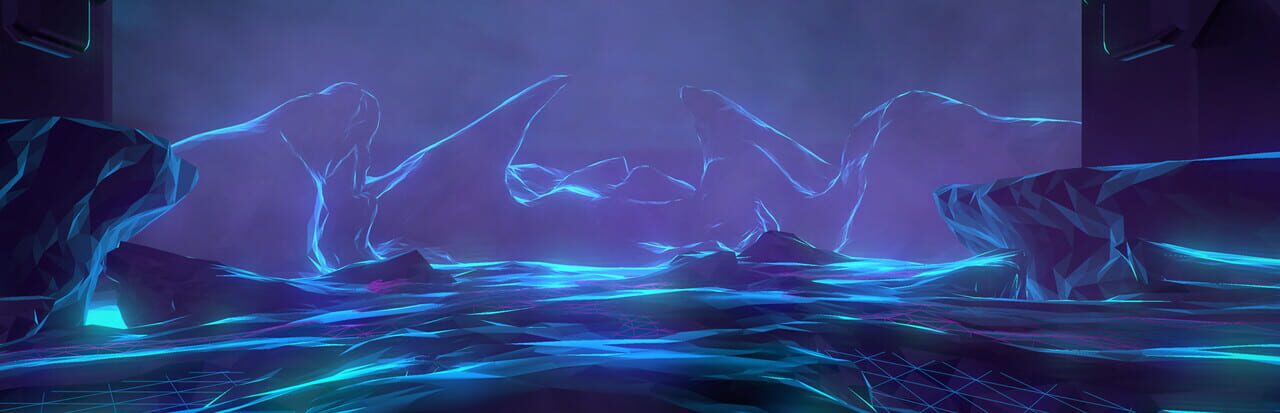
▲ Official Artwork (Source: IGDB)
One of the most impressive examples of this design is the Midboss arena. Unlike the stagnant pits found in other games, this arena is a complex jungle of geometry. Players can drop from ceiling boxes, slide down long staircases, or utilize tunnel networks to contest the objective. This level of environmental interaction rewards players who invest time into learning the map’s intricacies, transforming the game from a test of stats into a test of environmental mastery.
Mastering the Movement Meta
To truly excel, players must move beyond basic WASD inputs. The skill ceiling is elevated by the inclusion of mantle sliding and zip-dashing, which require precise timing to execute correctly. These mechanics ensure that the high knowledge floor of the MOBA genre is matched by a high mechanical ceiling, making every match feel distinct based on the individual skill of the participants.
For those interested in the technical side of these mechanics, PC Gamer’s deep dive highlights how these movement systems integrate with the hero abilities. This synergy is what makes the game so addictive; your hero’s kit is only as good as your ability to navigate the terrain. This is the first time in years that a MOBA has felt this fresh, specifically because it trusts the player to use their environment as a weapon.
Pulse Gaming Perspective: Deadlock is the mechanical revolution the MOBA genre desperately needed.
By blending the precision of a high-tier shooter with the strategic depth of a MOBA, Valve has eliminated the static frustration of traditional lane-pushers. The map isn’t just a backdrop; it is an active participant in the combat loop that rewards creativity and mechanical grit over pure stat-checking.
The evolution of the genre we are seeing in 2026 suggests that the days of static, flat maps are over. As players continue to discover new juke routes and movement combos, the meta will only become more dynamic and unpredictable. to stay ahead of the curve as we track the latest hero updates and map changes.
Final Pulse Score: 9.2 / 10