
Mortal Kombat II has officially transitioned from the digital arenas to the cinematic landscape, delivering a visceral experience that fans of the franchise have been craving since the 2021 reboot. With the expansion of the roster and a shift toward a more horror-infused aesthetic, the sequel aims to capture the high-stakes tension that defined the original 1993 arcade masterpiece. This latest iteration is not just a film; it is a massive cultural event that bridges the gap between traditional fighting game mechanics and high-budget storytelling.
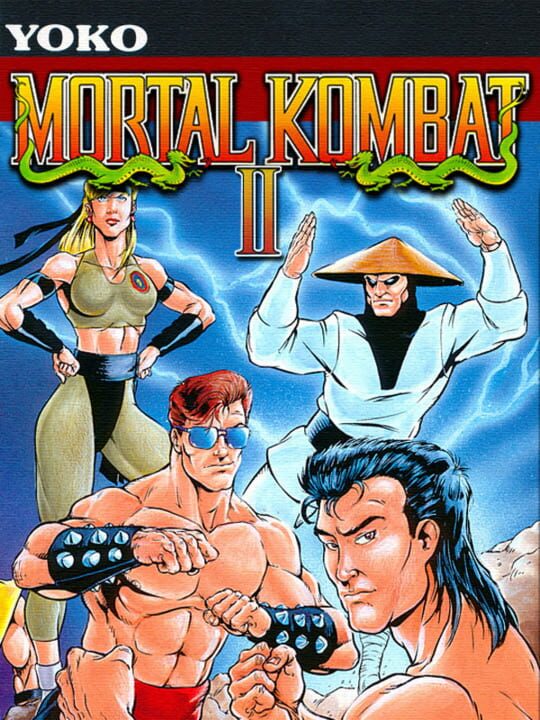
▲ Official Cover Art (Source: IGDB)
| Feature | Details |
|---|---|
| Main Title | Mortal Kombat II |
| Key Newcomers | Johnny Cage, Kitana, Jade, Shao Kahn |
| Producers | James Wan (Atomic Monster), Jason Blum (Blumhouse) |
| Release Status | In Theaters Now (Released April 2026) |
The Roster Expansion in Mortal Kombat II
The primary draw for the Mortal Kombat II cinematic experience is the introduction of fan-favorite characters who were conspicuously absent from the first film. Karl Urban’s portrayal of Johnny Cage serves as the connective tissue for the audience, providing the necessary meta-commentary and charismatic flair that the franchise is known for. Unlike the stoic warriors of Earthrealm, Cage brings a sense of levity and technical showmanship that mirrors the arcade experience of the early 90s. The visual design of characters like Shao Kahn, played by Martyn Ford, emphasizes the sheer physical intimidation required for a true Outworld threat.
Furthermore, the inclusion of Kitana (Adeline Rudolph) and Jade (Tati Gabrielle) introduces a lethal grace to the choreography. These characters are not merely sidekicks; they represent the deep lore and political intrigue of Outworld that players have studied for decades. The transition from game-rendered moves to live-action stunts appears seamless, with a clear focus on maintaining the unique fighting styles—such as Kitana’s fan-based combat and Scorpion’s iconic spear—that define the Mortal Kombat II identity.
▲ Official Artwork (Source: IGDB)
The Horror Influence: Atomic Monster and Blumhouse Collaboration
The partnership between IGN, Atomic Monster, and Blumhouse for this release highlights a strategic shift in how game-to-film adaptations are handled. By involving James Wan and Jason Blum, the production has leaned heavily into the darker, more macabre elements of the series. This isn’t just about martial arts; it is about the supernatural dread of the Netherrealm and the high-stakes fatalities that have made the series a mainstay in gaming culture. The collaboration has even extended to fan rewards, with a limited run of 25 lobby cards signed by James Wan himself, available through Blumhouse’s The Van initiative.
For collectors and hardcore gamers, these lobby cards represent a rare piece of memorabilia from a production that clearly respects its roots. The involvement of such high-profile horror producers suggests that the “Fatality” sequences in this film are designed with a level of practical effects and intensity that surpasses the previous entry. Fans who grew up playing the original Mortal Kombat II on the SNES or Genesis will recognize the shift toward a more atmospheric and threatening environment, moving away from the brighter tones of generic action cinema.
Lore Implications and the Ed Boon Cameo
One of the most exciting aspects for long-time enthusiasts is the confirmation of a cameo by the co-creator of the franchise, Ed Boon. Seeing the architect of the series pour a drink for Johnny Cage in a surprise trailer reveal is more than just an Easter egg; it is a seal of approval from the developer who started it all. This level of fan service indicates that the filmmakers are closely monitoring community feedback, ensuring that the essence of the game’s meta-narrative remains intact. You can explore more about these creative choices on the official IGN coverage page, which details the full cast interviews.
The narrative also dives deeper into the rivalry between Scorpion and Sub-Zero, while setting the stage for the inevitable clash with Shao Kahn. Every scene feels like a calculated move in a larger tournament, mirroring the ladder-climbing progression of the games. The attention to detail in the costumes—particularly Scorpion’s traditional attire and the regal yet combat-ready outfits of the Outworld royalty—shows a commitment to visual fidelity that was often lacking in 90s adaptations.
Pulse Gaming Perspective: Mortal Kombat II represents the pinnacle of genre-blending between horror and fighting.
The decision to bring in Blumhouse wasn’t just a marketing gimmick; it fundamentally changes the texture of the fatalities and the world-building of Outworld. By prioritizing the physical presence of villains like Shao Kahn and the charm of Johnny Cage, the film manages to feel like a high-budget version of the matches we’ve been playing for thirty years.
As the film continues its theatrical run, the community’s focus is shifting toward how these characters might influence the next generation of games. The synergy between the film’s visual style and the current gaming meta is undeniable. Whether you are a casual viewer or a pro-circuit player, the impact of this sequel on the broader franchise is profound. about how the lore has evolved through the years.
Ultimately, Mortal Kombat II succeeds because it refuses to pull its punches. It embraces the absurdity of its source material while grounding it in a world that feels dangerous and lived-in. For those looking to secure their spot in the giveaway, keeping an eye on your inbox for Blumhouse’s confirmation is essential, as the 25 signed lobby cards are expected to vanish as quickly as a Sub-Zero slide.
Final Pulse Score: 8.8 / 10