
Riven has long been celebrated for its meticulously crafted worlds and tactile atmosphere, but the recent release of its official vinyl soundtrack has shifted the spotlight from haunting melodies to a heated generative AI controversy. Fans who recently received their physical copies of the soundtrack noticed something unusual about the gatefold art depicting Age 234. The community quickly identified visual hallmarks of generative AI, leading to a public defense from the game’s co-creator, Robyn Miller, that has reignited the debate over artistic integrity in the digital age.
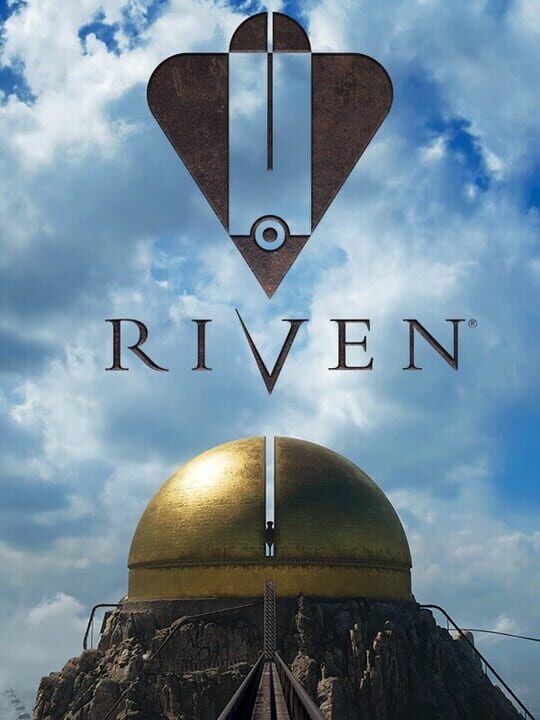
▲ Official Cover Art (Source: IGDB)
| Feature | Details |
|---|---|
| Game Title | Riven |
| Release Format | Limited Edition Vinyl Soundtrack |
| Controversy Focal Point | Generative AI Art in Gatefold (Age 234) |
| Manufacturer | Fangamer |
| Resolution | No-questions-asked returns offered |
The Definition of Slop: Riven Creator Pushes Back
Robyn Miller, who co-created both Myst and Riven, stepped forward to confirm the use of AI tools but framed it as a natural evolution of his creative process. According to Miller, the artwork for Age 234 began as traditional pencil sketches before being processed through dozens of iterations using advanced AI tools. He argued that the software allowed him to fine-tune minute details such as film grain, time of day, and lens types, which he views as a sophisticated extension of the artist’s hand rather than a replacement for it.
The core of the controversy lies in Miller’s use of the term slop. In a bold statement to the community, he asserted that uninspired work—whether created with a brush, 3D software, or AI—is the real problem facing modern art. He claimed that the internet is already overwhelmed by 3D slop and traditional art slop created without intent or care. For Miller, the tool is secondary to the artist’s vision, suggesting that a lack of thought is what truly devalues a piece of work, not the specific technology used to render it.
Fangamer Policy and the Collector Impact

▲ Official Artwork (Source: IGDB)
For many hardcore collectors of Riven merchandise, the presence of AI art in a premium physical product feels like a step backward for a franchise built on high-fidelity, pre-rendered visuals. Fangamer, the company responsible for the production of the vinyl, was caught off guard by the backlash. They recently issued a statement clarifying that their internal policy prohibits generative AI art, but noted that this particular project began development long before AI tools became a standard industry concern. They have since updated their partnership agreements to ensure this doesn’t happen again.
From a consumer perspective, this is a significant development for the Riven community. Fangamer is currently honoring return requests for any fans unhappy with the AI-assisted artwork. This move acknowledges the value that gamers place on human-crafted assets, especially when paying for limited edition physical goods. For a more detailed breakdown of the community reaction, you can check out the investigative reporting at Time Extension.
The Future of Generative Tools in Classic Franchises
The Riven incident serves as a bellwether for how legacy developers will navigate the polarizing world of generative AI. While Miller views himself as an early adopter of tools that simplify the path from concept to final image, the audience remains skeptical. The obsession with intent over execution is a philosophical divide that may never be fully bridged. As more classic IPs see modern updates or merchandise runs, the transparency regarding these tools will likely become a mandatory requirement for maintaining fan trust.
Pulse Gaming Perspective: The Riven Aesthetic Requires Human Deliberation
For a franchise that defined the pre-rendered puzzle era, the use of AI feels fundamentally at odds with the deliberate, pixel-perfect philosophy fans expect. While Miller argues that intent is what matters, the uncanny valley of AI generation can break the immersion that is so vital to the world of Riven. In the premium collector’s market, authenticity isn’t just a buzzword—it’s the product itself.
As we move deeper into 2026, the industry must decide where the line is drawn. If even the pioneers of the genre are embracing these shortcuts, the definition of what constitutes a premium gaming collectible is bound to change. For now, the Riven community has made its voice heard: they prefer the brush to the prompt, regardless of how much slop is currently on the internet. for the latest updates on classic adventure game revivals.
Final Pulse Score: 6.5 / 10