
The Legend of Zelda: Twilight Princess has officially broken free from its console shackles thanks to the release of Dusk, a massive native PC port built on years of decompilation work. Unlike traditional emulation, which mimics console hardware, this release functions as a native application, allowing for performance optimizations and modern features that were previously impossible on the GameCube or Wii. This project marks a historic milestone for the retro gaming community, effectively preserving one of the most atmospheric entries in the franchise for modern hardware enthusiasts.
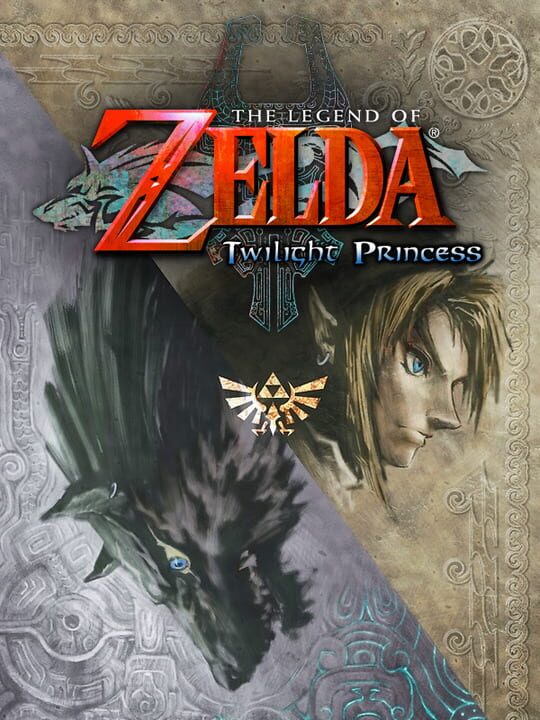
▲ Official Cover Art (Source: IGDB)
Following the successful release on May 9, 2026, the Dusk project has quickly become the definitive way to experience Link’s journey through the Twilight Realm. While players must provide their own NTSC or PAL GameCube game files to remain legally compliant, the results are nothing short of transformative. The technical foundation of this port is a four-year decompilation effort that the development team describes as the largest project of its kind ever completed.
| Feature | Details |
|---|---|
| Game Title | The Legend of Zelda: Twilight Princess |
| Project Name | Dusk (v1.0) |
| Release Date | May 9, 2026 |
| Platform Support | Windows, Linux, Steam Deck, Android, iOS, macOS |
| Key Enhancements | High Framerates, Gyro Aiming, Texture Packs, Autosaves |
The Technical Superiority of the Dusk Native Port
The core appeal of The Legend of Zelda: Twilight Princess on PC via the Dusk engine is the sheer breadth of technical customization available. Players are no longer locked to the original 30 frames per second; instead, the game supports high-refresh-rate displays, making the combat and exploration feel significantly more responsive. This native approach also enables more granular control schemes, including full mouse and keyboard support or gyro aiming for those using modern controllers like the DualSense or Steam Deck.
[[IMAGE_PLACE_PLACEHOLDER_2]]
Beyond simple performance gains, the Dusk team has integrated several quality-of-life (QoL) features that modernize the 2006 title. Features such as instant text boxes, a dedicated autosave system, and a damage multiplier for veteran players looking for a challenge have been implemented directly into the engine. There is even a Mirror Mode option, which replicates the flipped-world layout of the original Wii version, providing a fresh perspective for those who have memorized every corner of the GameCube map.
Expanding the Legend: Modding and Mobile Support
What truly sets this release apart is its multi-platform versatility. By targeting Linux and Android alongside Windows, the Dusk port is a dream for handheld gamers. Steam Deck users can enjoy The Legend of Zelda: Twilight Princess with native performance and custom control layouts that feel far superior to standard emulation. Furthermore, the inclusion of custom model and texture pack support means the community can already begin overhauling the game’s visuals, bringing high-fidelity assets to the moody, gothic world of Hyrule.
The port also teases a future randomizer mode, a feature that has extended the life of other Zelda titles like Ocarina of Time and A Link to the Past for years. By baking these features into the native code, the Dusk team ensures that the game can evolve far beyond what was possible on the original hardware. This project follows in the footsteps of other legendary decompilations like Super Mario 64 and Jak & Daxter, proving that the future of retro gaming lies in native hardware execution rather than just imitation.
Pulse Gaming Perspective: The Legend of Zelda: Twilight Princess Enters a New Era
The Dusk port isn’t just a technical curiosity; it is a fundamental shift in how we preserve gaming history. By providing a native, highly customizable environment, the community has effectively future-proofed Link’s darkest adventure against the obsolescence of console hardware while giving players the 4K/120Hz experience they have craved for two decades.
For players interested in the deep technical history of this release, the official Dusk Project Site provides a detailed breakdown of the four-year development cycle. As the modding scene begins to take hold, we expect to see even more impressive community-driven updates in the coming months. If you are looking for more news on Nintendo-focused fan projects, you can . This release serves as a reminder that when developers move on, the community is always ready to pick up the Master Sword and carry the flame forward.
Final Pulse Score: 9.5 / 10