
Uncharted 4 has long been considered the gold standard for cinematic action, but the version players experienced in 2016 was a radical departure from the project’s original blueprint. As the gaming community celebrates the tenth anniversary of Nathan Drake’s final adventure this May 2026, new information has surfaced regarding the scrapped version led by series creator Amy Hennig. While the retail game is a masterpiece of storytelling and fluid gunplay, the early iterations under Hennig’s direction suggests a game that prioritizes physical combat over the series’ traditional explosive shootouts.
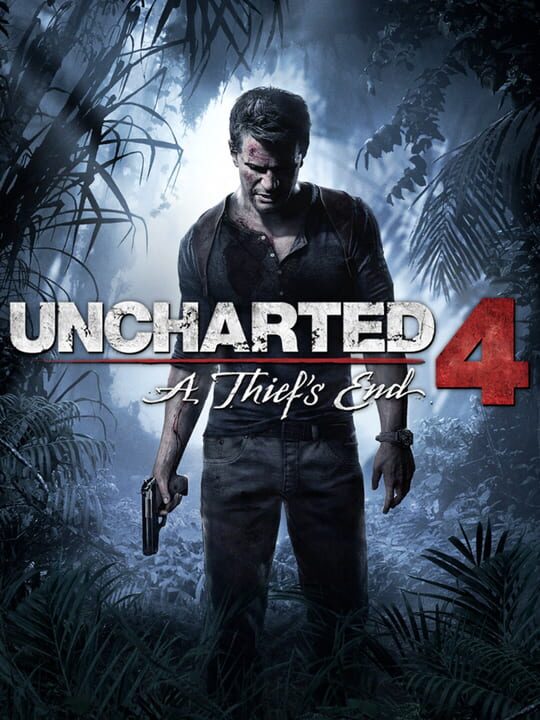
▲ Official Cover Art (Source: IGDB)
| Feature | Hennig’s Original Version | Naughty Dog Retail Version |
|---|---|---|
| Primary Antagonist | Rafe (Alan Tudyk) / Sam Drake | Rafe Adler (Warren Kole) |
| Gameplay Focus | Melee-heavy, de-emphasized guns | Fluid run-and-gun, grappling hook |
| Playable Leads | Drake, Sully, Henry Avery | Nathan Drake (Sam in flashback) |
| Supporting Cast | Charlie Cutter included | Cutter absent |
The Narrative Divergence of Sam Drake and Alan Tudyk
One of the most jarring revelations from the recent deep dive into the 2014-era development is the role of Sam Drake. In the final version of Uncharted 4, Sam is a flawed but ultimately loving brother whose lies are born of desperation. However, Hennig’s original script reportedly painted Sam as a much more antagonistic figure, creating a central conflict that was far darker than the fraternal bond we eventually received. This version featured Alan Tudyk as Rafe, suggesting a different tonal energy for the game’s villainy compared to Warren Kole’s cold, calculated performance.
The scrapped content also included the return of Charlie Cutter, a fan-favorite from the third installment who was conspicuously absent from the final game due to scheduling conflicts. Perhaps most exciting for hardcore fans was the planned inclusion of playable segments featuring Victor “Sully” Sullivan and the legendary pirate Henry Avery. These historical flashbacks and character swaps would have mirrored the multi-perspective storytelling Naughty Dog later utilized in other franchises, potentially offering a more fragmented but historically rich narrative tapestry.
The Uncharted 4 Melee-Centric Gameplay Experiment
For years, critics have pointed toward the “ludonarrative dissonance” of Nathan Drake—a charming, sensitive man who nonetheless kills hundreds of mercenaries without a second thought. Hennig and her team intended to address this by radically overhauling the combat systems in Uncharted 4. The goal was to de-emphasize gunplay in favor of a sophisticated melee system, forcing players to engage in closer, more personal scraps rather than clearing rooms with an assault rifle.

▲ Official Artwork (Source: IGDB)
While this melee focus sounds intriguing on paper, reports suggest it was one of the primary reasons for internal friction. Former employee Gabriel Betancourt indicated that the project was not meeting Sony’s internal standards, eventually leading to the departure of Hennig and the arrival of Bruce Straley and Neil Druckmann. The duo ultimately tossed out eight months of work to implement the high-octane, grappling-hook-assisted gunplay that defined the 2016 release. Given how well the final mechanics were received, it is difficult to argue with the result, yet one can’t help but wonder if the more intimate combat would have felt more grounded in the character’s reality.
The Legacy of the Scrapped Version and the Future of the Franchise
The details revealed on May 11, 2026, by content creators like Thekempy serve as a reminder of how volatile AAA game development can be. Uncharted 4 survived a near-total reboot to become a commercial and critical juggernaut, selling over 2.7 million copies in its first week alone. Today, as Naughty Dog moves forward with massive projects like Intergalactic: The Heretic Prophet, the DNA of the Uncharted series continues to fuel speculation about a fifth entry.
Rumors of a potential sequel featuring Cassie Drake, Nathan’s daughter, continue to circulate within the industry. Whether Naughty Dog returns to this world or hands the reins to another studio, the lessons learned from the transition between Hennig’s vision and the final product remain vital. The “what if” scenarios of playable pirates and melee-focused treasure hunting are fascinating, but the cohesive, emotional journey we received cemented Drake’s legacy as one of gaming’s greatest icons. According to authoritative sources at IGN, the transition was a necessary pivot to ensure the project’s funding and eventual legendary status.
The Uncharted 4 melee-focused pivot proves that sometimes the hardest cuts create the sharpest games.
While the loss of Alan Tudyk and a playable Sully is a blow to enthusiasts, the shift back to refined gunplay saved the franchise’s identity. Amy Hennig’s vision was likely too experimental for a flagship launch window, but its darker take on Sam Drake could have added a layer of grit the final game lacked. Ultimately, the retail version’s success justifies the upheaval, even if it leaves us dreaming of what could have been.
Final Pulse Score: 9.5 / 10