
Subnautica 2 has officially changed the landscape of the survival-exploration genre by introducing the most requested feature in the franchise’s history: full co-op support. While the previous titles relied on a crushing sense of isolation to drive tension, this new entry acknowledges that the alien depths are often better explored with a squad at your back. Unknown Worlds Entertainment has built this sequel with a multiplayer-first mentality, ensuring that the transition from solo play to a four-person party feels seamless rather than bolted on.
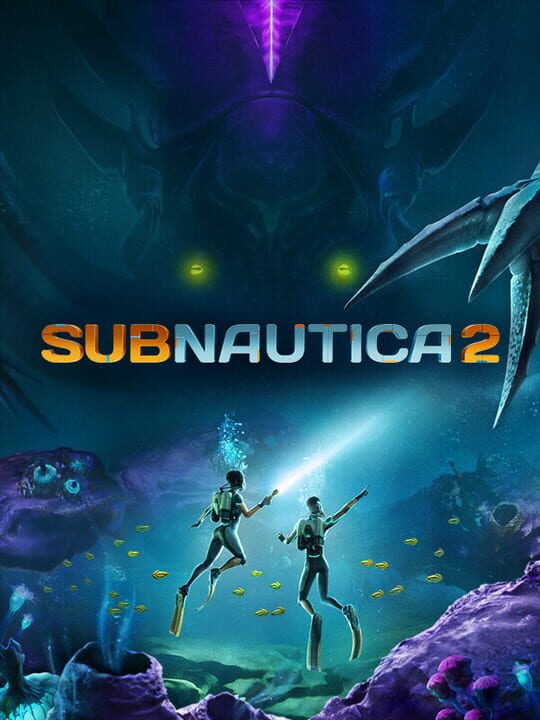
▲ Official Cover Art (Source: IGDB)
| Feature | Specification |
|---|---|
| Max Player Count | 4 Players (Host + 3 Guests) |
| Platform Support | PC, Xbox (Full Cross-play) |
| Progression Type | Cross-progression and Shared World Data |
| Inventory Logic | Shared Storage / Individual Character Bags |
| Current Status | Early Access (as of May 2026) |
How to Initialize Connectivity in Subnautica 2
Setting up a session in Subnautica 2 is remarkably straightforward, designed to get players into the water with minimal friction. From the main menu, players can choose to Host Multiplayer or Join Friends. Hosting creates a persistent world that the owner controls, while joining relies on a unique in-game Friend Code system to bypass typical platform networking hurdles. This system is particularly vital because it facilitates the game’s robust cross-play functionality between PC and Xbox users.
For those worried about the sanctity of the narrative, the single-player experience remains intact. Subnautica 2 allows you to play the entire story solo, but the developers have also enabled the ability to convert a pre-existing solo world into a multiplayer one. This flexibility means you do not have to restart your progress if your friends decide to pick up the game a week after you started. However, at this stage of early access, world customization options remain limited, focusing primarily on the core survival experience.
The joining process is handled via the friends list, where clicking a name allows for an instant jump into an active session. It is worth noting that while the host holds the world save, the game supports cross-progression. This is a massive win for gamers who jump between a high-end rig and a console, ensuring that your character’s personal status remains consistent across different hardware environments.
Strategic Management of Shared Resources and Progression
One of the most radical departures in Subnautica 2 is the implementation of shared logistics. Unlike many survival games where players must compete for rare ores or hidden blueprints, this title prioritizes collective growth. When one player scans a new organism or piece of wreckage, the Data Entry is instantly unlocked for every member of the party. This effectively removes the redundant grind of four players scanning the same Seamoth fragment, allowing the team to specialize in different tasks like base expansion or deep-sea scouting.

▲ Official Artwork (Source: IGDB)
Shared inventories apply to all physical storage containers built within the world. If you place a Titanium ingot in a locker at the main base, your friend five kilometers away can see it if they are linked to the same base network, or more literally, anyone can walk up and take it. This collaborative approach extends to crafting; once a blueprint is unlocked, anyone can manufacture the item. The only truly private space is your character’s personal inventory, which is essential for keeping your high-tier tools safe from a clumsy teammate.
Base building has also been evolved into a collaborative effort. Multiple players can contribute resources to a single structure simultaneously, drastically speeding up the construction of massive underwater habitats. While you can technically build separate bases in different biomes, the shared inventory system means your resources are effectively communal. This encourages a mega-base meta where the party centers their operations in one massive, well-defended hub rather than scattering thin across the ocean floor.
Looking ahead, the developers at Unknown Worlds have indicated that non-shared inventory options may arrive later. For now, the focus is on a unified front against the terrors of the deep. This shared-success model fundamentally changes the tension of the game; losing a high-tier vehicle like a Seamoth is no longer just a personal setback, but a blow to the entire team’s mobility and resource-gathering capacity.
Subnautica 2 multiplayer shifts the series from survival horror to tactical team logistics.
By sharing blueprints and data entries automatically, the game eliminates the ‘chore’ of survival and allows players to focus on large-scale engineering. The current lack of private storage makes choosing your dive team a matter of trust, turning the social dynamic into a meta-layer of the survival experience. Expect the meta to revolve around specialized roles, with one player acting as the base architect while others scout for high-value resources.
Final Pulse Score: 9.0 / 10