
Dungeons & Dragons is navigating a transformative era as Wizards of the Coast pushes the franchise toward a digital-first, live-service ecosystem. This evolution, spearheaded by the growing reliance on the D&D Beyond platform, has sparked intense debate within the tabletop community regarding the future of ownership and gameplay. While the brand remains the undisputed titan of the RPG world, its current trajectory suggests a fundamental shift in how players interact with its core mechanics and content delivery systems.
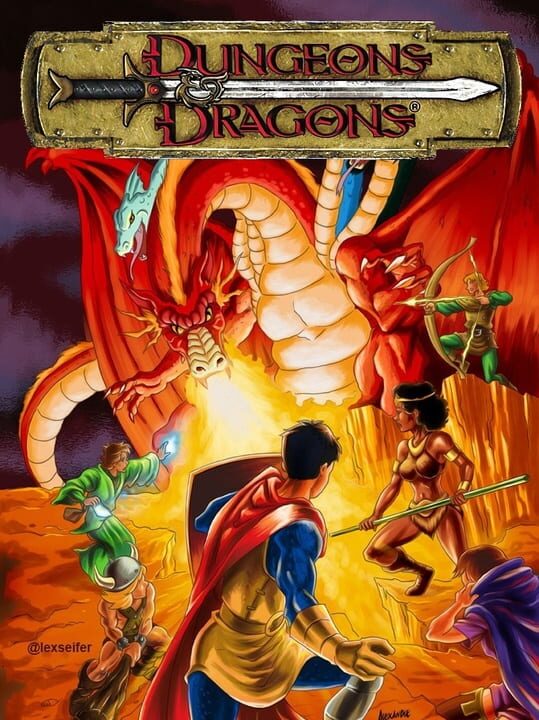
▲ Official Cover Art (Source: IGDB)
| Metric | Details |
|---|---|
| Game Title | Dungeons & Dragons |
| Digital Lead | Dan Ayoub (Since July 2025) |
| Current Strategy | Digital-First, Seasonal Release Model |
| Key Platform | D&D Beyond / Official VTT |
The Digital Transformation of Dungeons & Dragons
The transition began in earnest following the 5th edition’s major rules revisions in 2024, which left the community searching for a clear direction. When Dan Ayoub, former senior VP for digital games, took the helm of the brand in July 2025, the focus shifted sharply toward mending community relations while doubling down on digital integration. This move was underscored by the introduction of a seasonal product release model for 2026, featuring major updates for settings like Ravenloft and Thay.
Industry analysts have noted that the inclusion of high-profile community figures like Joe Manganiello and Luke Gygax has provided a much-needed morale boost. However, beneath the surface of these PR successes lies a more rigid corporate structure. The 2026 roadmap highlights a heavy reliance on D&D Beyond as the primary gateway for new content, effectively turning the TTRPG into a platform-as-a-service model similar to modern AAA video games.
The License Dilemma: Ownership in the Age of D&D Beyond
▲ Official Artwork (Source: IGDB)
One of the most pressing concerns for modern players is the legal nature of their digital libraries. According to the current general terms on D&D Beyond, users do not own the books they purchase; instead, they acquire a digital license that can be revoked if an account is terminated. This realization has sent ripples of anxiety through a community that has historically valued the permanence of physical sourcebooks and hand-drawn maps.
Hasbro CEO Chris Cocks has been transparent about this shift during recent financial disclosures. During the Q4 2025 earnings call, Cocks stated that the brand has advanced its evolution into a “digital-first play and IP company.” This aligns with his previous endorsements of AI tools to facilitate the gaming experience, leading to fears that the bespoke, human-led nature of Dungeons & Dragons is being sacrificed for scalable digital revenue streams.
Navigating the Third-Party Ecosystem
Wizards of the Coast has attempted to mitigate these fears by being more inclusive of third-party content on D&D Beyond. By bringing rivals like Paizo’s Pathfinder and Chaosium’s Call of Cthulhu onto the platform in “D&D-fied” formats, they are positioning D&D Beyond as the definitive hub for all tabletop activity. This strategy also serves as a defensive wall against the “AI slop” currently flooding open marketplaces like DMsGuild and DriveThruRPG.
However, the curated nature of D&D Beyond creates a walled garden. While it offers a smoother user experience, it limits the creative freedom that defined the early OGL (Open Game License) era. For players who value autonomy, the upcoming GGMods launch on April 13, 2026, and the Spring Madness Modathon offer a glimpse into an alternative future where community-driven mods still hold weight outside of official corporate channels.
Preserving the Tabletop Tradition
Despite the corporate push toward digital subscriptions, the essence of the game remains at the physical table. Dan Ayoub reassured fans during a press conference at Gary Con 2026 that face-to-face play would always be a core component of the brand. For those wary of the official Virtual Tabletop (VTT), robust alternatives like Foundry VTT provide one-time purchase options that bypass the subscription fatigue of the modern era.
The beauty of the TTRPG medium is its inherent resistance to forced obsolescence. A physical copy of the Player’s Handbook doesn’t require a server connection or a monthly fee to function. Even as the industry drifts toward live-service mechanics, the community has the power to decide how they engage with the rules. Whether through Skype-based sessions or high-end physical setups using Beadle & Grimm’s components, the game belongs to the players once it leaves the publisher’s hands.
Pulse Gaming Perspective: Dungeons & Dragons is entering a ‘Digital-Only’ trap that requires community vigilance.
The shift toward a live-service model is an inevitable consequence of Hasbro’s need for recurring revenue, but it risks alienating the very fans who built the brand’s 50-year legacy. While digital tools provide accessibility, the loss of true ownership is a high price to pay for convenience. Players should diversify their toolsets to ensure their campaigns remain ‘offline-ready.’
Ultimately, the future of the hobby will be defined by the balance between convenience and control. As we look toward the official launch of new digital modules later this year, it is vital to remember that the most powerful tool in the game isn’t a subscription—it’s the imagination of the people sitting around the table. for ongoing coverage of the TTRPG industry’s digital evolution.
The current state of the game reflects a high-quality product caught in a transitionary identity crisis. While the digital tools are more polished than ever, the erosion of ownership rights and the push toward a live-service model prevents a perfect score. It remains a legendary experience, but one that now requires more careful navigation from its loyal fanbase.
Final Pulse Score: 7.8 / 10