
Subnautica 2 has officially resurfaced, and the initial impact on the survival gaming landscape is nothing short of seismic. Within the first hour of its Early Access debut on May 14, 2026, the title moved one million copies, doubling that figure to a staggering two million within just twelve hours. This isn’t just a successful launch; it is a clear signal that the community’s appetite for deep-sea terror and exploration has evolved from a niche interest into a mainstream juggernaut.
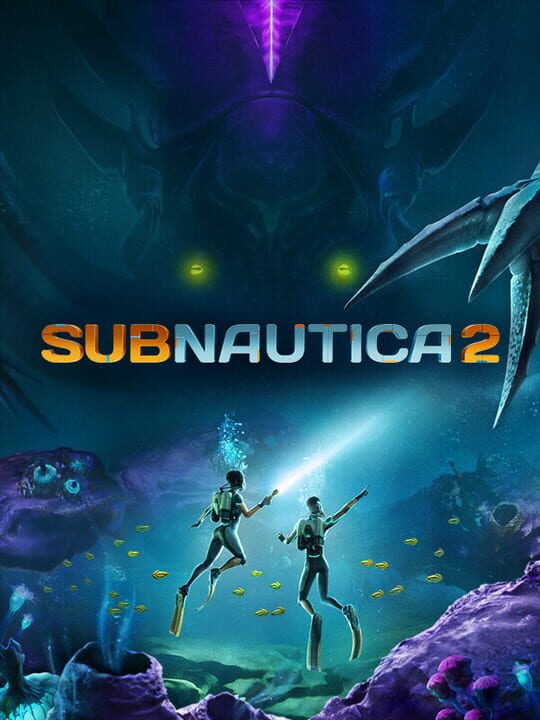
▲ Official Cover Art (Source: IGDB)
| Metric | Performance Data |
|---|---|
| Launch Date | May 14, 2026 |
| Total Sales (12 Hours) | 2,000,000+ Units |
| Peak Concurrent Players (Total) | 651,000+ |
| Steam Peak Concurrent Players | 467,000+ |
| Engine | Unreal Engine 5 |
| Co-op Support | Up to 4 Players |
The Multi-Player Meta: How Subnautica 2 Changes the Loop
The most radical departure from the original series formula is the introduction of optional four-player cooperative play. While the first game was defined by a haunting sense of isolation, Subnautica 2 allows players to divide and conquer the mysteries of a brand-new alien world. This shift fundamentally alters the gameplay meta; resource gathering that once took hours of solo trekking can now be streamlined through coordinated team efforts. One player can focus on piloting a large submersible while others manage external repairs, defensive systems, and specimen collection.
For the hardcore community, the concern was whether co-op would dilute the horror elements that made the original so iconic. However, early feedback suggests that the presence of friends actually scales the tension. Distant leviathan roars are even more terrifying when you are responsible for the safety of a full crew. The cooperative mechanic isn’t just a social layer; it is a tactical necessity in some of the deeper, more hazardous biomes introduced in this sequel.
Unreal Engine 5 Visuals and Technical Fidelity
By moving to Unreal Engine 5, Unknown Worlds Entertainment has pushed the atmospheric boundaries of the series. The volumetric lighting and advanced fluid simulations create an environment where the water feels heavy and alive. In Subnautica 2, the bioluminescent ecosystems now cast dynamic shadows, making every cave exploration a masterclass in tension and visual storytelling. This technical leap justifies the hardware requirements, as the game’s peak concurrent player count on Steam reached 467,000, which is nearly nine times higher than the 2018 original’s all-time high.

▲ Official Artwork (Source: IGDB)
Expanding the Alien Ecosystem
The new world isn’t just a reskin of 4546B. Players are encountering entirely new biological hierarchies. The AI behavior for the native fauna has been significantly upgraded, allowing for more complex interactions between predators and prey—and, subsequently, the player. Survival now requires a deeper understanding of these ecosystems rather than just memorizing blueprint locations. With the game currently holding the top spot on global top-seller charts, the sheer volume of player data will likely lead to rapid balancing patches during this Early Access phase.
Streaming platforms have played a pivotal role in this launch’s success. Reaching 413,000 peak concurrent viewers on Twitch and over 109,000 on YouTube Live, Subnautica 2 has dominated the gaming conversation. The shift to a more social, shared experience has turned every deep-sea expedition into a must-watch event, further fueling the sales momentum across Xbox Series and PC platforms including Steam and Epic Games Store.
Subnautica 2 proves that co-op is the ultimate evolution for survival horror.
By maintaining the series’ signature dread while introducing high-fidelity UE5 visuals and 4-player coordination, Unknown Worlds has created a sequel that dwarfs the original’s reach. The massive player influx ensures that the Early Access period will be a highly collaborative development phase between the fans and the studio.
Final Pulse Score: 9.5 / 10