
PUBG: BATTLEGROUNDS is more than just a pioneer of the battle royale genre; it is the flagship of a publishing giant currently leading a corporate revolution in employee welfare. On May 14, 2026, KRAFTON announced a remarkable demographic shift within its global workforce, revealing that 46 children were born to employees between January and April 2026. This figure represents a 200% increase compared to the 23 births recorded during the same period in 2025, and more than double the 21 births in 2024. This surge is the direct result of a comprehensive support package introduced in February 2025, designed to provide both financial security and a sustainable work-life balance for the developers who keep our favorite games running.

▲ Official Cover Art (Source: IGDB)
| Metric | 2024 (Jan-Apr) | 2025 (Jan-Apr) | 2026 (Jan-Apr) |
|---|---|---|---|
| Internal Birth Count | 21 | 23 | 46 |
| Financial Support | Standard | Up to 100M Won | Up to 100M Won |
| Parental Leave | Standard | Up to 2 Years | Up to 2 Years |
Breaking the Meta: The 100 Million Won Support System
KRAFTON has taken a bold stance against the “advanced nation disease” of declining birth rates by offering up to 100 million won (approximately $75,000 USD) per child born to its staff. While this massive financial incentive grabs headlines, a joint study with the Seoul National University Population Policy Research Center suggests that the money serves a specific psychological purpose. According to the data, while the cash bonus reinforces the image of a company that is serious about social responsibility, it is the non-financial benefits that are truly driving the decision to start families among the PUBG: BATTLEGROUNDS development community.
Why Work-Life Balance Outperforms Cash Incentives
The research indicates that the freedom to work from home, the extension of parental leave to two full years, and specialized leave for prenatal checkups have a more direct impact on birth rates than the lump sum payment. KRAFTON has also automated the process of hiring replacement personnel for those on leave, ensuring that the remaining team members aren’t crushed under a doubled workload. This systemic support allows artists and programmers to focus on maintaining the high-intensity updates for games like PUBG: BATTLEGROUNDS without fearing for their job security or their family’s well-being.
Cultivating a Sustainable Future for PUBG: BATTLEGROUNDS Talent
The success of these policies is particularly striking given the national context. While South Korea’s total fertility rate hit a record low of 0.72 in 2023, the 2025 estimates show a slight recovery to 0.8, partly credited to tax reforms in 2024 that made corporate birth support payments tax-free. By creating an environment where developers feel supported, KRAFTON is effectively protecting its most valuable asset: human creativity. This stability is essential for the long-term roadmap of PUBG: BATTLEGROUNDS and upcoming titles like Subnautica 2 and the AI-driven horror project Mimesis.
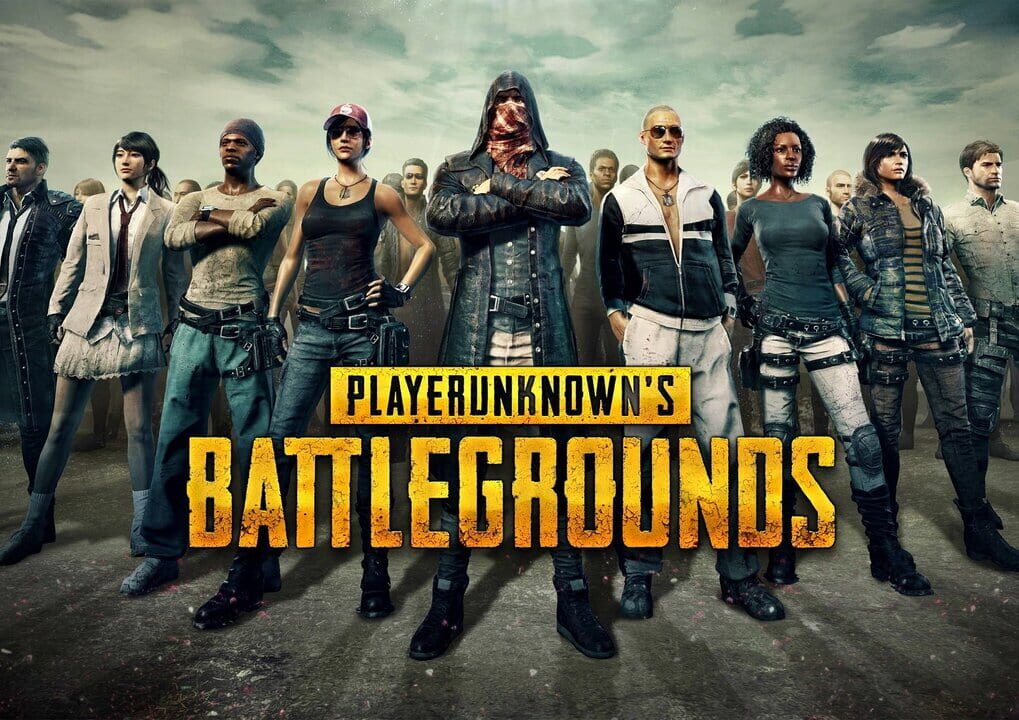
▲ Official Artwork (Source: IGDB)
A stable workforce translates directly to better player experiences. When a studio avoids the “revolving door” of talent burnout, we see more consistent meta-tuning, more ambitious technical updates, and a deeper understanding of the community’s needs. KRAFTON is demonstrating that the path to a healthier industry—and perhaps a healthier society—starts with treating developers as people first and assets second. As other industry giants look on, the success of this “100 million won experiment” may become the new gold standard for the global gaming industry, as reported by Bloomberg and other financial analysts tracking the trend.
The PUBG: BATTLEGROUNDS developer roadmap is now fueled by long-term staff stability.
By doubling its internal birth rate through radical welfare, KRAFTON is securing the veteran talent needed to maintain complex live-service ecosystems. This move proves that the best way to prevent developer burnout and ensure high-quality content is to invest in the players behind the screens—the developers themselves.
Final Pulse Score: 9.5 / 10