
BioShock remains one of the most influential pillars of the first-person shooter genre, yet its primary architect chose to walk away at the height of its success. Ken Levine recently reflected on the difficult decision to leave the franchise behind, noting that holding onto a creation too tightly can eventually lead to that creation owning the creator. This sentiment highlights a common struggle in AAA development where the pressure to deliver safe sequels often stifles the very innovation that made a series famous in the first place. By stepping away from the world of Rapture and Columbia, the goal was to seek new challenges that a direct sequel simply could not provide.
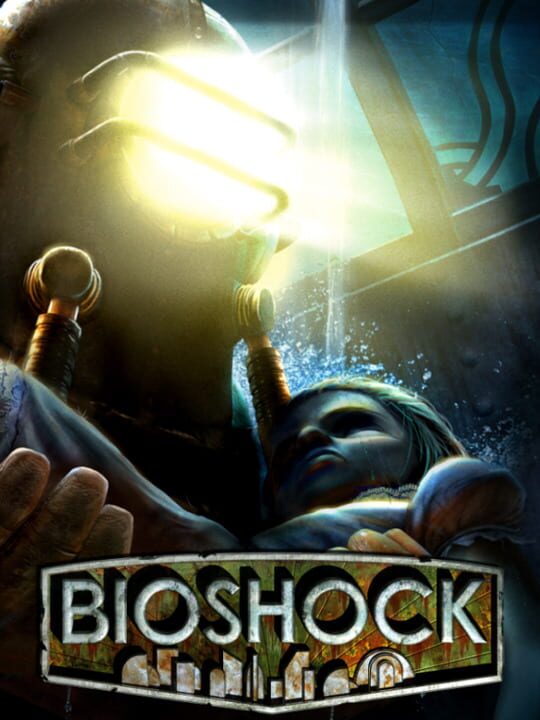
▲ Official Cover Art (Source: IGDB)
| Feature | Details |
|---|---|
| Franchise Name | BioShock |
| Original Director | Ken Levine |
| Defining Philosophy | There is always a lighthouse, a man, and a city. |
| Successor Project | Judas |
| Primary Genre | Narrative First-Person Shooter |
The Philosophy Behind the BioShock Universe
The concept of a lighthouse, a man, and a city has become the meta-narrative foundation of the entire BioShock series. This framework was intentionally designed as a parting gift to ensure the franchise could continue to evolve even without its original creator’s direct involvement. It establishes a set of constants that allow for infinite variables, effectively giving future developers a blueprint to explore alternate histories and philosophical dilemmas. However, for Levine, staying within these boundaries began to feel more like a restriction than a creative playground.
Walking away from a successful brand is a move rarely seen in the modern gaming industry, where established IPs are often iterated upon until they lose their original spark. The decision to prioritize creative growth over the financial safety of a known quantity is a testament to the desire for mechanical evolution. While the BioShock name carries immense weight, it also carries expectations that can hinder the development of radically new systems. Breaking free from these expectations allowed for a pivot toward more experimental design choices that might have been rejected under the banner of a direct sequel.
The internal drive to tackle hard problems is what continues to fuel development in this specialized corner of the FPS market. Rather than repeating the success of the past, the focus has shifted toward building something that resonates with the same DNA but functions on entirely different logic. This transition marks a significant era for fans who are used to the scripted cinematic moments that defined earlier entries. The next evolution aims to blend that narrative depth with systemic gameplay that offers more player agency than ever before.
From Rapture to Judas: A New Mechanical Frontier
While the upcoming project Judas shares a visual language with the BioShock aesthetic, the underlying mechanics are being built to offer a significantly different experience. The goal is to move beyond the traditional shooter loop and introduce systems that respond dynamically to player choices. This approach, often referred to as narrative legos, seeks to solve the problem of static storytelling in open environments. By focusing on these complex problems, the team is attempting to redefine how a story is told through gameplay rather than just alongside it.
▲ Official Artwork (Source: IGDB)
Many players have noted that the early glimpses of this new project feel familiar, featuring the same blend of supernatural abilities and high-stakes combat. This is intentional, as the legacy of past work naturally informs current designs, yet the departure from the BioShock title is a signal of intent. It tells the audience to expect the unexpected and to prepare for a game that challenges their understanding of narrative structure. The risk of starting a new IP is high, but the potential for a breakthrough in game design is even higher.
As development continues on both the new project and the future of the original franchise under different leadership, the industry is watching closely. The legacy of the lighthouse is no longer tied to a single person, but the spirit of innovation remains the primary goal. For those who value deep, systemic worlds, the upcoming years promise a wealth of experiences that push the boundaries of what a first-person adventure can be. You can explore more about the history of immersive sims at the MobyGames database to see how these design philosophies have evolved over decades.
Ultimately, the choice to leave was about maintaining the integrity of the creative process. If a developer feels they have nothing left to say within a specific world, forcing a continuation only leads to a diluted product. By stepping into the unknown with a new project, the creators are ensuring that their passion remains at the forefront of the development cycle. This ensures that when players finally get their hands on the next big title, it will be a product of genuine inspiration rather than corporate necessity.
The BioShock Paradigm Shift Toward Systemic Storytelling
The move from fixed narratives to the dynamic systems found in Judas suggests that the next generation of shooters will prioritize player-driven consequences over scripted spectacles. By abandoning the safety of an established name, developers are forced to innovate on a mechanical level to prove the value of their new IP. This shift indicates that the future of the genre lies in how well a game can adapt its story to the player’s specific actions rather than forcing the player through a pre-defined path.
Final Pulse Score: 9.0 / 10