
Forza Horizon 6 has arrived at a pivotal crossroads for the gaming industry as the biggest platform holders rethink their approach to software exclusivity. For years, the trend moved toward a borderless ecosystem where console giants shared their crown jewels with the PC audience to maximize reach. However, recent shifts at Sony and Microsoft suggest that the era of total multi-platform transparency is ending, as manufacturers realize that hardware requires distinct software identities to thrive. While the gates aren’t slamming shut entirely, the terms of engagement for players are changing rapidly.
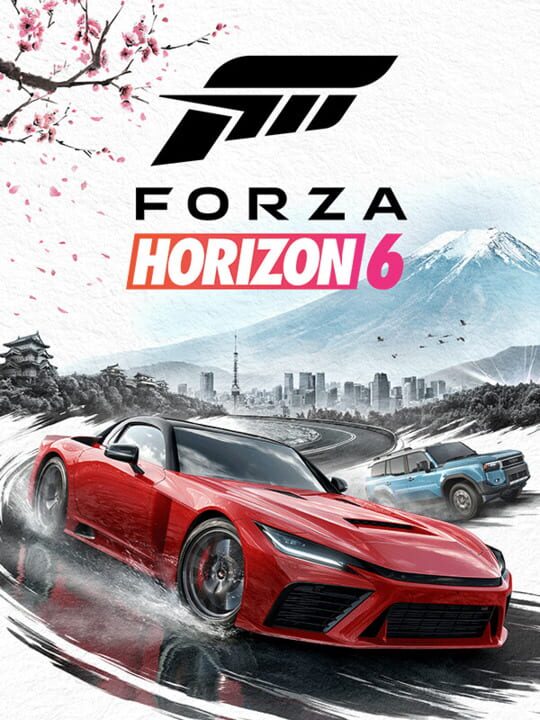
▲ Official Cover Art (Source: IGDB)
| Platform Strategy | Single-Player Narrative Games | Multiplayer / Live Service | PC Release Window |
|---|---|---|---|
| Sony PlayStation | Strict Console Exclusive | Day-and-Date Multiplatform | Indefinite / Cancelled |
| Microsoft Xbox | Timed Console Exclusive | Day-and-Date Multiplatform | Launch Day (Windows/Steam) |
| Nintendo | Full Exclusive | Full Exclusive | N/A |
Sony’s Retreat and the Forza Horizon 6 Impact
On May 18, 2026, internal communications at Sony indicated a definitive end to the experiment of bringing all first-party titles to the PC market. This move signals a return to the prestige model, where cinematic experiences like God of War and The Last of Us are used as primary drivers for console sales rather than just software revenue. For the average player, this means the days of waiting 12 months for a polished Steam port of a PlayStation hit are likely over, as the company pivots back to a walled garden for its narrative-heavy library.
In contrast, the launch of Forza Horizon 6 demonstrates a different path forward for Microsoft. By launching as a timed console exclusive that simultaneously embraces the PC audience, Xbox is attempting to balance the need for platform identity with the sheer weight of development costs. The success of Forza Horizon 6 on digital storefronts proves that there is a massive, dedicated audience outside the console ecosystem that is willing to invest in premium racing experiences if given the opportunity on day one.

▲ Official Artwork (Source: IGDB)
The Economic Reality of AAA Development
The primary driver behind these shifting strategies is the astronomical cost of producing modern blockbusters. When a game costs hundreds of millions of dollars to develop, restricting it to a single console’s install base is a massive financial risk. We saw this tension play out with the previous entry in the Forza series, which eventually found its way to the PlayStation 5 years after its debut and became a top-seller. This suggests that while exclusivity builds a brand, multi-platform releases pay the bills.
Xbox CEO Asha Sharma is currently reevaluating how the brand handles these boundaries. While Forza Horizon 6 remains a pillar of the Xbox and PC ecosystem, other major titles like Fable and Indiana Jones may eventually seek wider audiences to recoup their massive budgets. The industry is moving away from a one-size-fits-all solution, opting instead for a case-by-case analysis of which games need to be exclusive to sell hardware and which need to be everywhere to survive.
The Nintendo Exception and the Switch 2
While Sony and Microsoft struggle with the PC dilemma, Nintendo continues to operate in a different reality. With the Switch 2 moving 19.86 million units within its first year and Mario Kart World moving nearly 15 million copies as a total exclusive, the Kyoto-based giant proves that a strong enough IP can still dictate its own rules. However, Nintendo benefits from lower relative development costs compared to the hyper-realistic benchmarks set by their competitors.
For the player, this means the value of your console choice is becoming more about the specific Forza Horizon 6 type of experience you prefer. If you want high-octane social racing and expansive open worlds on your choice of hardware, the Xbox ecosystem remains the most flexible. If you crave the isolated, cinematic prestige of a single-player epic, the PlayStation remains a mandatory purchase. The “genie” of PC gaming might not be going back into the bottle for everyone, but the walls are certainly being reinforced.
Forza Horizon 6 proves that the hybrid release model is the only way for high-cost genres to thrive in a stagnant market.
While Sony is retreating to protect its brand identity, the sheer player engagement seen in Forza Horizon 6 on Steam suggests that ignoring the PC market is a luxury few can afford. We are entering an era of “conditional exclusivity” where your favorite game might be a console exclusive today, but a multi-platform necessity tomorrow once the initial hardware-moving mission is accomplished.
Final Pulse Score: 9 / 10