
Zero Parades: For Dead Spies marks a triumphant yet harrowing return to the complex narrative RPG landscape, offering a gameplay experience that thrives on the friction of human failure. Unlike traditional espionage titles that cast players as hyper-competent agents, this title places us in the shoes of Hershel Wilk, codename Cascade, a spy who is catastrophically out of her depth. From the opening moments in the fictional town of Portofiro, it becomes clear that this is not a story about saving the world, but about surviving the wreckage of one’s own career. The tension is palpable as you navigate a world where your most reliable tool isn’t a silenced pistol, but a desperate, often failing, silver tongue.

▲ Official Cover Art (Source: IGDB)
| Feature | Details |
|---|---|
| Developer | ZA/UM |
| Release Date | May 21, 2026 |
| Platform | Windows PC |
| Genre | Narrative Espionage RPG |
| Internal Clock Status | Current Release |
The Architecture of Incompetence in Zero Parades: For Dead Spies
The core philosophy of Zero Parades: For Dead Spies is an inversion of the classic spy thriller. While heavily inspired by the methodical, grounded works of novelists like John le Carré, the game shifts the perspective from the mastermind to the perpetual screw-up. Cascade starts her journey in a state of total disorientation, waking up to a comatose partner and a mission that has already dissolved into chaos. This setup serves as a brilliant mechanical hook, as the player is forced to reconstruct the objective while fighting against the protagonist’s own reputation as a notorious failure.
The dialogue system is where the game truly shines, offering a deceptive sense of agency. Players can invest points into stats like Personalism and Poetics, hoping to craft a suave, Smiley-esque persona. However, the game frequently reveals these choices to be nothing more than a fragile disguise. When the dice rolls don’t go your way, the resulting social fallout is both hysterical and heartbreaking. It creates a gameplay loop where the meta-strategy isn’t just about succeeding, but about managing the inevitable disasters that occur when your cover is blown by a simple moment of stuttering or a lapse in judgment.
Zero Parades: For Dead Spies Gameplay Mechanics and Skill Systems
The mechanical depth of Zero Parades: For Dead Spies is found in its antagonistic relationship with the player. The game introduces specialized meters for anxiety, delirium, and fatigue, each of which acts as a ticking time bomb for Cascade’s mental state. If any of these reach a threshold, the player is forced to sacrifice permanent stat points, representing the heavy psychological toll of the job. This forces a unique resource management style where you must balance the progress of a mission with the need to find moments of respite, such as interacting with local mascots or finding a quiet place to rest.
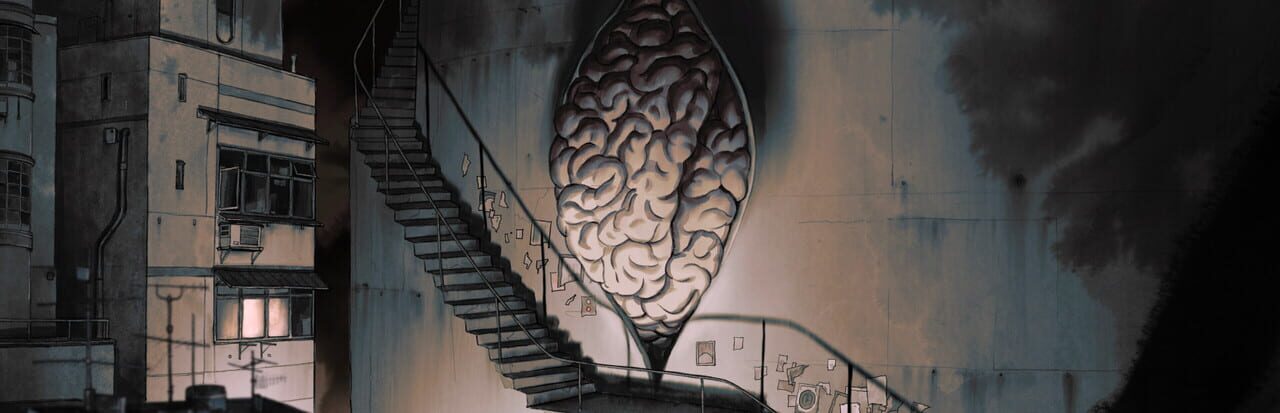
▲ Official Artwork (Source: IGDB)
The Double-Edged Sword of Skill Progression
Character progression in this RPG is never a simple upgrade. Every new skill learned comes with a significant drawback that mirrors the protagonist’s internal conflicts. For example, a skill that boosts your analytical capabilities might simultaneously penalize your ability to express remorse, making future attempts at social redemption significantly harder. This design choice ensures that every build feels like a distinct personality with its own set of flaws, rather than an optimized path to victory. It turns the character sheet into a living document of Cascade’s declining stability and desperate attempts at professional survival.
Navigating the Geopolitical Labyrinth of Portofiro
The setting of Portofiro serves as a character in its own right, caught in a bizarre intellectual war between nations. The conflict between Portofiro and the neighboring La Luz is framed through cultural exports like propagandistic cartoons and experimental audio formats. This world-building is dense with political ideologies, ranging from techno-fascism to neoliberalism, all clashing within a bazaar-like atmosphere. While some of the ideological debates feel like a nod to the studio’s previous work, they provide a rich backdrop for the personal stakes of Cascade’s mission.
The game’s most profound moments occur when the grand political theater falls away to reveal a human tragedy. As Cascade attempts to reconnect with former colleagues she previously betrayed, the game forces players to make agonizing choices. You may find yourself earning the genuine forgiveness of a friend, only to be immediately presented with a mechanical incentive to betray them once more to satisfy your shadowy employers. It is in these moments—where betrayal and survival become indistinguishable—that the game cements itself as a landmark in narrative design.
The subversion of the power fantasy makes Zero Parades: For Dead Spies a landmark RPG.
By centering the gameplay on the mechanical weight of failure rather than the thrill of success, the developers have created a rare experience where losing a dice roll is often more narratively rewarding than winning. The integration of mental health meters directly into the stat system forces players to inhabit the stress of a failing operative, making every successful lie feel like a stay of execution rather than a victory. This is a bold step forward for the genre that prioritizes character vulnerability over traditional progression.
Final Pulse Score: 9.5 / 10