
Destruction AllStars has officially reached the end of the road as PlayStation unexpectedly delisted the title and terminated all server operations on May 26, 2026. This sudden move has caught the community off guard, as live-service titles typically receive a sunsetting period of several months to allow players to complete their remaining trophies or engage in final matches. Instead, the vehicular combat game disappeared from the PlayStation Store simultaneously with its server heartbeat stopping, leaving only an offline shell for those who already own the digital license.
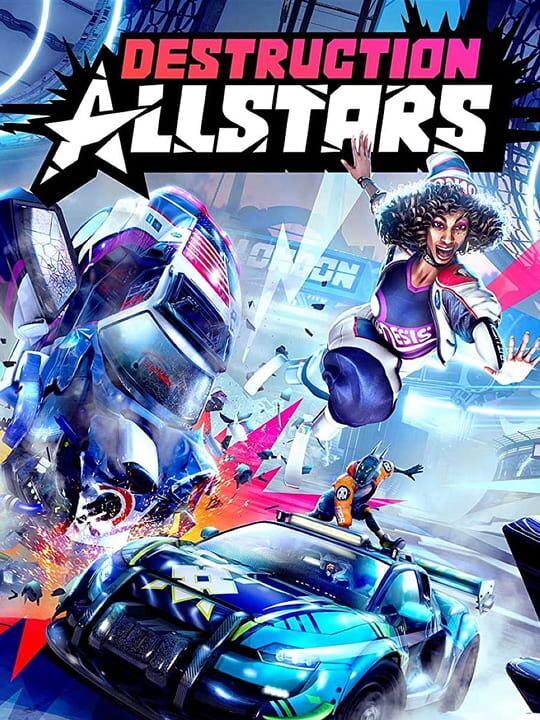
▲ Official Cover Art (Source: IGDB)
| Feature | Details |
|---|---|
| Current Status | Delisted / Servers Offline (May 26, 2026) |
| Developer | Lucid Games / XDev Studios Europe |
| Playable Content | Offline Arcade Mode (Bots Only) |
| Platform | PlayStation 5 |
The Unexpected Shutdown of Destruction AllStars
The total blackout of Destruction AllStars marks a significant moment in the current console generation’s lifecycle. Unlike traditional shutdowns that utilize social media campaigns to bid farewell to the community, the official communication for this title has been dormant since 2022. Players were only notified of the permanent server closure via system-level notifications on their consoles, a sterile end for a game that was once positioned as a major pillar of the early PlayStation 5 library. For the remaining player base, the loss of online matchmaking means the game’s core loop—chaotic 16-player demolition derbies—is now a relic of the past.
While the game remains playable in a limited capacity, the experience is severely neutered. Owners can still access the Arcade Mode to compete against AI-controlled bots, but the social energy and competitive tension that define the genre are gone. This transition to an offline-only state serves as a stark reminder of the fragile nature of digital-only, service-based games. Once the servers are cut, the unique hero abilities and parkour-heavy on-foot mechanics lose their primary purpose: outsmarting human opponents in real-time.
Analyzing the Destruction AllStars Gameplay Legacy

▲ Official Artwork (Source: IGDB)
Developed by Lucid Games—a team comprised of veterans from Bizarre Creations who worked on legendary titles like Project Gotham Racing and Blur—Destruction AllStars attempted to blend high-octane driving with third-person platforming. When the game launched in 2021, it was praised for its haptic feedback utilization and sharp visuals, yet it struggled to maintain a consistent player count. Even after being featured as a PlayStation Plus incentive for two months, the gameplay loop failed to resonate with a broad audience, largely due to a perceived lack of depth in the on-foot segments which often felt like a distraction from the superior vehicle combat.
The driving mechanics were undeniably solid, offering a satisfying weight and impact when slamming into rival vehicles at high speeds. However, the requirement to frequently eject and navigate the arena on foot created a disjointed rhythm that many players found frustrating. In a market where live-service titles like Helldivers 2 and Gran Turismo 7 have found long-term success through consistent meaningful updates and clear mechanical identities, Destruction AllStars became an outlier that struggled to define its niche within the Sony ecosystem.
The Broader Impact on PlayStation Live-Service Strategy
The shuttering of this title comes at a volatile time for multiplayer games. With recent news of Bungie winding down support for major projects and reports of significant internal shifts within PlayStation’s studio structure, the deletion of Destruction AllStars feels like a calculated move to trim the fat from the network’s infrastructure. It signals a move away from the “launch window” experimentation phase and toward a more focused strategy. While games like the rumored Break-In (formerly Fairgames) are on the horizon, the sudden disappearance of older titles suggests a lower tolerance for underperforming services.
What remains for the fans?
For those who enjoyed the colorful, high-energy world of the AllStars, the offline mode is a small consolation. The ability to play against bots ensures that the game is not entirely lost to time, but without the progression systems and seasonal rewards tied to the online servers, there is little incentive for long-term engagement. It is a quiet end for a game that entered the market with so much bravado and neon-soaked promise. As we move further into 2026, the industry continues to see a consolidation of multiplayer efforts, leaving experimental titles like this one behind in the rearview mirror.
The Destruction AllStars shutdown highlights the brutal reality of modern service-based gaming longevity.
Even with a pedigree of developers from the Project Gotham Racing era, the failure to evolve the on-foot mechanics and provide a compelling long-term progression loop doomed the title. This immediate delisting without a grace period sets a worrying precedent for digital preservation, effectively turning a once-vibrant multiplayer arena into a ghost town of bots with no prior warning to the dedicated community.
Final Pulse Score: 5.5 / 10