
Star Citizen has officially shattered the $1 billion funding ceiling, marking a historic and unprecedented moment in the landscape of interactive entertainment. This massive financial achievement comes from a dedicated global community of over 6.5 million backers who have fueled the project’s expansive vision since its initial campaign in 2012. As the industry watches this monumental accumulation of capital, the focus shifts toward how these resources are being utilized to bring the long-awaited 1.0 version to life.
▲ Official Cover Art (Source: IGDB)
| Metric | Details |
|---|---|
| Total Funding | $1.007 Billion+ |
| Backer Count | 6.5 Million+ Participants |
| Squadron 42 Status | Targeting 2026 Release |
| New Concept Asset | Anvil Odin ($5,000) |
| Base Entry Price | $45 Starter Package |
The Global Impact of Star Citizen Reaching $1 Billion
The journey to the billion-dollar mark for Star Citizen has been defined by a unique development philosophy that prioritizes technical fidelity over traditional production timelines. The studio has frequently compared this process to high-concept filmmaking, where the time and funding allow for the creation of proprietary technology that didn’t exist when the project first began. This approach has allowed the team to build a persistent universe with a level of detail that many consider the “Avatar” of the gaming world, focusing on a singular, uncompromising vision of space simulation.
Despite reaching this funding peak, the game remains in an early access state, which continues to be a point of discussion within the community. The development cycle has spanned over 14 years, during which the scope of the project has expanded significantly. While many players are satisfied with the current playable alpha, others have previously sought refunds through legal channels, highlighting the complexities of managing a project of this magnitude. However, the consistent influx of capital suggests that the majority of the player base remains committed to the eventual 1.0 release.
The $5,000 Anvil Odin and High-Tier Monetization
One of the primary drivers of this recent funding surge is the introduction of high-value ship concepts like the Anvil Odin. Priced at $5,000, this ship represents a significant investment for the most dedicated pilots. It is important to note that the Odin is currently a concept ship, meaning it is not yet flyable in the game world and will be added to the persistent universe at a later date. This model of selling future assets has been a cornerstone of Star Citizen‘s financial strategy, allowing the developers to fund ongoing production costs while giving players a stake in the evolving fleet.
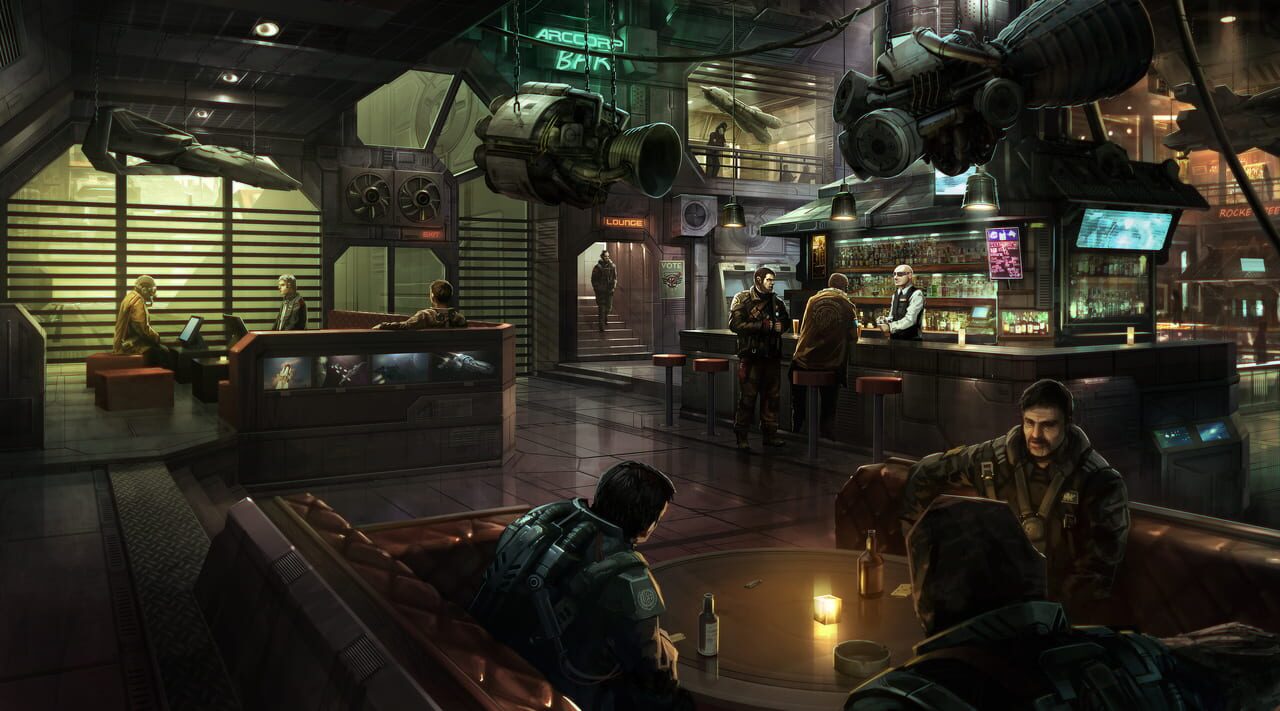
▲ Official Artwork (Source: IGDB)
For those not looking to spend thousands, Star Citizen maintains a variety of entry points. The basic experience starts at $45, and the store offers a wide range of ships and upgrades to suit different playstyles and budgets. Additionally, the studio offers optional monthly subscription bundles ranging from $10 to $20, which provide supplementary content and perks to the community. This tiered monetization structure ensures that while the “whales” can fund the heavy lifting of tech development, the game remains accessible to a broader audience of space enthusiasts.
Squadron 42 and the Transition to Version 1.0
The most critical component on the immediate horizon is Squadron 42, the standalone single-player campaign. This cinematic experience features an elite Hollywood cast, including Gary Oldman, Mark Hamill, and Gillian Anderson, among others. Currently, the studio is targeting a release for Squadron 42 within 2026, positioning it as the primary catalyst for the game’s transition out of its long-standing early access phase. The completion of this campaign is seen as a necessary bridge toward the full 1.0 launch of the Star Citizen persistent universe.
As the studio enters what they describe as the “closing stages” of development for these key milestones, the pressure to deliver a polished product has never been higher. The technical foundations built over the last decade are finally coming together into a cohesive ecosystem. For the millions of players who have invested their time and money, the 2026 window represents more than just a date; it is the moment when Star Citizen must prove that its billion-dollar ambition can translate into a stable, feature-complete masterpiece of the genre.
For more official details on the development roadmap and current funding goals, players can visit the official Roberts Space Industries funding portal. The next few months will be instrumental in determining how the 1.0 version takes shape and whether the long wait will finally yield the definitive space simulation experience promised over a decade ago.
The Star Citizen billion-dollar milestone redefines the ‘Pledge’ as a sustainable business model.
By securing $1 billion, the developers have proven that there is a massive market for ultra-high-fidelity simulations that traditional publishers would deem too risky. The $5,000 Anvil Odin sale is less about the ship itself and more about the community’s willingness to keep the ‘dream’ alive. However, with Squadron 42 targeting a 2026 release, the project is finally moving from the ‘funding’ phase to the ‘delivery’ phase, where technical stability must finally match the financial scale.
Final Pulse Score: 8.5 / 10