
The Witcher 3 remains a titan of the role-playing genre, and the recent confirmation of a massive new expansion titled Songs of the Past has sent shockwaves through the gaming community. Following a series of leaks and high-level financial discussions, it is now clear that the world of Geralt of Rivia is set to expand in a way we haven’t seen since the height of the original post-launch support. While the news originally slipped out prematurely due to a storefront error, the official details emerging from the latest financial briefings paint a picture of an ambitious project that aims to recapture the magic of the series’ most celebrated moments.
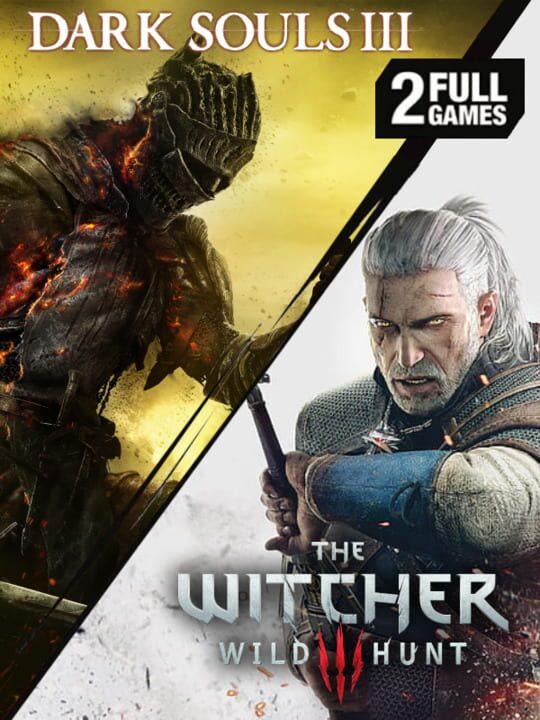
▲ Official Cover Art (Source: IGDB)
| Project Name | The Witcher 3: Songs of the Past |
|---|---|
| Developer | CD Projekt / Fool’s Theory |
| Expansion Scope | Comparable to Blood and Wine |
| Major Release Window | 2027 |
| Interim Content Release | Late 2026 |
The Witcher 3: Defining the Difference Between DLC and Expansion
During the Q1 2026 financial cycle, leadership at the studio made a firm distinction regarding the nature of this new content. In the modern gaming era, the term DLC is often used as a catch-all for any post-launch addition, but for the team working on this project, the distinction is vital for setting player expectations. They have categorized smaller, free additions as DLC, while reserving the title of expansion for the bigger, more substantial content drops that significantly alter the gameplay landscape.
The scale of Songs of the Past is being directly compared to Blood and Wine, which remains a gold standard for expansion packs in the industry. By invoking this comparison, the developers are signaling a massive amount of new landmass, questlines, and mechanical depth. This isn’t just a series of fetch quests; it is being treated as a proper, heavy-duty addition to the existing narrative framework, potentially offering dozens of hours of new gameplay for those who have already mastered the base experience.
Technical Evolution and Release Strategy for The Witcher 3
While the anticipation is high, the timeline for delivery has shifted slightly to ensure the final product meets the high bar set by its predecessors. Although initial internal projections aimed for a 2026 launch for the expansion, the decision was made to move the release of Songs of the Past into 2027. This delay is largely attributed to the complexity of the project and the collaborative nature of its development, as the studio is working closely with Fool’s Theory to bring this vision to life.
However, fans of The Witcher 3 won’t have to wait until 2027 for something new to play. The studio revealed that there is unannounced content currently in an advanced production phase that is still slated for release within the current 2026 calendar year. While this interim content is not expected to match the sheer scale of a full expansion, it serves as a bridge to keep the community engaged on current-generation hardware like the PlayStation 5 Pro and the Xbox Series X.
The Path Forward: Gamescom and Beyond
The next major milestone for the franchise will take place at Gamescom in Cologne, running from August 26 to August 30, 2026. The development team has confirmed they will be present in the entertainment area to provide the first proper look at Songs of the Past. This event will likely offer the first glimpses of the new environments and the narrative hooks that will draw players back into the Northern Realms.
The involvement of Fool’s Theory is particularly interesting for long-time fans. As a studio with a deep understanding of the franchise’s roots, their co-development role suggests that Songs of the Past will maintain the atmospheric integrity of the original game while utilizing the modern processing power of today’s consoles. The focus remains on delivering a satisfying conclusion or a meaningful new chapter in a character arc that has already defined a generation of RPG gaming.
Official investor documentation regarding these production phases can be found at the CD Projekt IR portal. As we approach the end of 2026, the strategy seems clear: provide a meaningful content update this year to sustain momentum, followed by a genre-defining expansion next year.
The Witcher 3 Expansion Model Proves Traditional RPG Support Still Wins
By choosing to skip the minor live-service trap and focusing on a Blood and Wine-sized expansion, the studio is doubling down on the prestige single-player experience. Delaying to 2027 to ensure quality over a rushed 2026 release suggests they are prioritizing long-term franchise health over short-term financial gains. This move reinforces the game’s position as a permanent fixture in the RPG meta, even a decade after its initial launch, by utilizing modern hardware power to sustain a legacy title.
Final Pulse Score: 9.2 / 10