
Balatro has redefined the deck-building genre, but its future stability now rests on a $151 million acquisition deal that could reshape the indie publishing landscape. As of May 30, 2026, the industry is processing the news that Playstack, the force behind several recent breakout hits, is set to be acquired by Integrated Media Company (IMC). This move marks a significant shift for the publisher, which has maintained an incredible 85% success rate in an era where many indie projects struggle to break even.
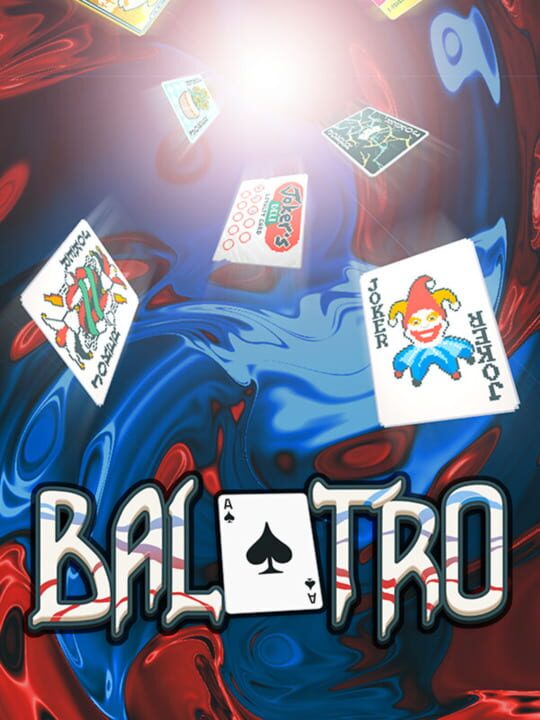
▲ Official Cover Art (Source: IGDB)
| Acquisition Detail | Status/Value |
|---|---|
| Primary Focus Title | Balatro |
| Proposed Sale Price | Approximately $151 Million |
| Acquiring Entity | Integrated Media Company (IMC) / TPG |
| Parent Ownership Stake | 84.5% |
| Current Operations | Business as usual per CEO Harvey Elliott |
The Balatro Effect and the Price of Indie Success
The success of Balatro is not just a fluke of the algorithm; it represents a pinnacle of addictive, polished gameplay that respects the player’s time and intelligence. When a publisher manages to capture lightning in a bottle with titles like this, as well as Abiotic Factor and The Case of the Golden Idol, they inevitably become a target for massive private equity firms. The proposed sale of TruFin’s 84.5% stake in Playstack for $151 million is a direct result of the massive revenue generated by these premium indie experiences.
For gamers, the primary concern with any acquisition of this scale is the potential for “corporate creep” into the development cycle. While the current leadership insists that the team and strategy remain unchanged, the reality of private equity often involves a push for aggressive monetization or safer, more derivative sequels. Balatro thrived because it took risks with its poker-inspired roguelike mechanics, and fans are rightfully protective of that creative spark.
Maintaining the purity of the indie spirit is difficult when your parent company also oversees massive media conglomerates and community platforms. There is a delicate balance between providing the financial runway needed for a sequel and the pressure to turn every indie hit into a live-service platform. Players are watching closely to see if future updates for their favorite titles remain focused on gameplay quality rather than data-driven engagement metrics.
Maintaining Game Integrity Under New Management
The track record of the acquiring firm’s other properties has raised eyebrows within the hardcore gaming community. We have seen significant friction in the past where community-driven resources and wikis felt the need to migrate away from corporate-owned platforms due to invasive advertising and poor user experiences. If the same philosophy is applied to the publishing arm, there is a fear that the sleek, player-first UI of games like Balatro could be compromised in future iterations.

▲ Official Artwork (Source: IGDB)
However, the official stance from the publisher is one of optimism, claiming that the partnership will provide the necessary capital to reach the “exciting next step.” For a title like Balatro, which has already grossed significant revenue on Steam, the next step usually involves larger-scale expansions, cross-platform optimizations, and perhaps even more experimental spin-offs. The infrastructure provided by a larger entity could, in theory, help these games reach a global audience more efficiently than a smaller investment group could.
Strategic growth is necessary for any publisher, but for those of us who spend hundreds of hours chasing the perfect joker synergy, the “milestone” mentioned by investors feels secondary to the health of the game. We have seen how the PlayStation 5 Pro and the latest Nintendo Switch 2 hardware have allowed indie games to shine with better performance and portability. The hope is that this new capital will be used to leverage that hardware to its fullest potential without sacrificing the soul of the software.
The Future of the Indie Meta
As the deal moves toward finalization, the focus remains on the upcoming roadmap for the current catalog. Balatro continues to dominate the handheld scene, and the community is eager for news on potential DLC or new gameplay modes. If the transition remains as seamless as promised, the only change players should notice is a more robust release schedule and better technical support across all platforms.
We must also consider the broader impact on the indie market. When a publisher like Playstack is valued at over $150 million, it sends a clear signal that premium, non-predatory games are still the highest value assets in the industry. The Balatro model—high quality, fair pricing, and deep mechanics—is the gold standard that we expect new management to uphold. Any deviation from this path would not only hurt the brand but would alienate the most loyal segment of the gaming population.
For more details on the official transition, you can view the public statement via the official Playstack site.
The true test for Balatro will be the first post-acquisition content drop.
While corporate acquisitions often promise stability, the real value of an indie publisher lies in its ability to shield developers from the ‘standardization’ that plagues AAA titles. If the new owners attempt to ‘optimize’ the Balatro experience with seasonal passes or forced connectivity, they risk destroying the very hit-making culture they just paid $151 million to acquire. The community expects the same uncompromising dedication to pure, addictive mechanics that made the game a legend in the first place.
Final Pulse Score: 7.5 / 10