
Pragmata has sparked a significant conversation across the gaming community regarding its nostalgic design philosophy, echoing the beloved era of the Xbox 360 and PlayStation 3. While some modern titles strive for endless open worlds and live-service bloat, this sci-fi third-person shooter leans into a structured, linear experience that feels like a direct descendant of the golden age of action games. This connection is not a coincidence, nor is it a criticism; rather, it is a deliberate choice that has resonated deeply with a player base that is increasingly weary of over-engineered gameplay loops.
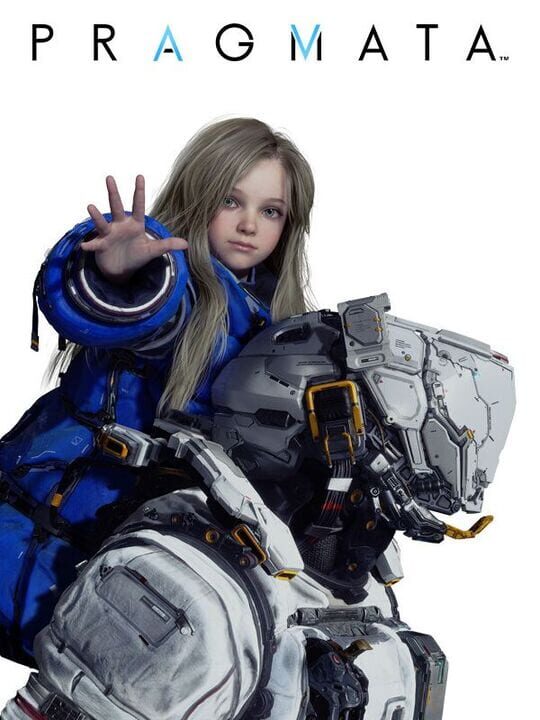
▲ Official Cover Art (Source: IGDB)
| Feature | Details |
|---|---|
| Game Title | Pragmata |
| Release Date | April 2026 |
| Core Mechanics | Third-Person Shooting, Hacking Minigames |
| Commercial Performance | 1 Million Copies (First 2 Days) |
| Current Platforms | PlayStation 5, Xbox Series X/S, PC |
The Honor of the Xbox 360 Aesthetic in Pragmata
The development team behind Pragmata, led by director Yonghee Cho and producer Naoto Oyama, has openly embraced the comparisons to seventh-generation hardware titles. To the creators, being told their game feels like an Xbox 360-era shooter is considered a high honor and a testament to the game’s focus on tight, impactful gameplay. This sentiment stems from a deep appreciation for an era where experimentation was the industry standard, and developers were not afraid to take risks with new IPs that didn’t necessarily conform to a standardized genre template.
During the development of Pragmata, the team sought to capture that specific feeling of discovery that defined the mid-2000s. It was a time when third-person shooters were finding their footing, introducing mechanics like cover systems and visceral environmental interactions that have since become staples. By channeling this energy, the game manages to feel both retro and Refreshingly modern, proving that a clear, focused creative vision is often more valuable than chasing the latest industry trends or technical gimmicks.
Why Pragmata and Linear Action Are Reclaiming the Meta
The success of Pragmata is indicative of a broader shift in player preferences that we have observed throughout the first half of 2026. For years, the market was saturated with titles that demanded hundreds of hours of commitment, often sacrificing pacing for scale. However, 2026 has seen a resurgence of the bold, brash, and brief triple-A experience. Alongside other recent hits like Resident Evil: Requiem and 007: First Light, this game proves that there is a massive appetite for high-fidelity games that can be completed in a few dedicated sessions.
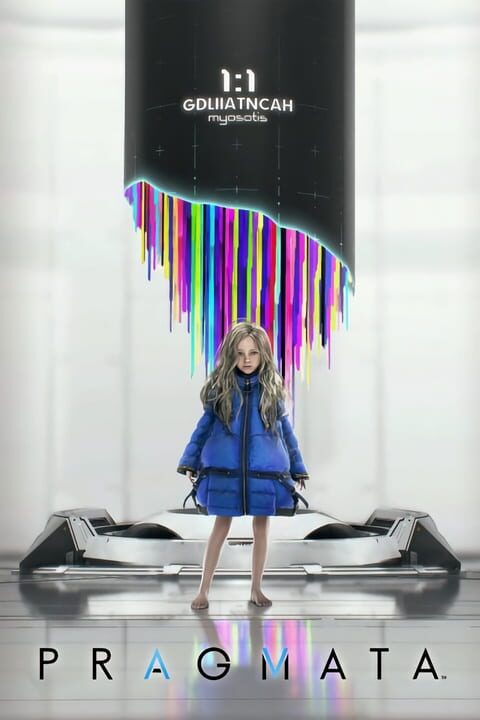
▲ Official Artwork (Source: IGDB)
This trend highlights a growing desire for narrative-driven momentum. In Pragmata, players are not distracted by repetitive side quests or artificial barriers to progress. Instead, the game focuses on a propulsive story and escalating combat encounters that keep the adrenaline high from start to finish. This return to linear excellence allows the developers to maintain tighter control over the player’s experience, ensuring that every encounter feels handcrafted and meaningful rather than procedurally generated or filler-heavy.
The Ace Up the Sleeve: Hacking and Combat Synergy
One of the standout features that separates Pragmata from a mere nostalgia trip is its unique integration of hacking mechanics into the core combat loop. Players are not just shooting their way through sci-fi environments; they are constantly engaging with a tile-based maze minigame that adds a layer of tactical depth to every firefight. By navigating these mazes using controller face buttons or precise mouse movements, players can disable enemy defenses or trigger environmental hazards that turn the tide of battle in seconds.
This mechanic represents the kind of innovation that the developers believe characterized the Xbox 360 era. It is a distinct system that requires the player to master a specific skill set, rewarding dexterity and quick thinking. It prevents the third-person shooting from becoming stale and ensures that Pragmata maintains its own identity in a crowded market. The synergy between the frantic action and the focused puzzle-solving creates a rhythmic gameplay flow that is rarely seen in modern shooters.
A New Standard for Success in 2026
With over one million copies sold in just two days, the commercial viability of Pragmata has silenced skeptics who argued that linear games were a relic of the past. The project’s four-year development cycle and multiple delays appear to have been time well spent, allowing the team to polish the mechanics to a mirror finish. In an age where many games launch in a broken state, the stability and cohesion of this release have been a breath of fresh air for the community.
The takeaway for the industry is clear: players value quality over quantity. By focusing on a specific niche—the cinematic, linear third-person action game—Capcom has tapped into a vein of nostalgia while simultaneously pushing the genre forward. Pragmata serves as a reminder that sometimes, looking back at what made gaming great in the past is the best way to determine the path toward a successful future.
Pragmata Proves Focused Linear Design Beats Open-World Bloat
The immense success of Pragmata signals a definitive turning point in 2026, where players are actively choosing 15-hour high-impact experiences over 100-hour grinds. By embracing the “Xbox 360 era” philosophy, the developers have prioritized pacing and unique mechanical hooks, like the hacking maze, over industry-standard padding. This pivot suggests that the future of triple-A gaming lies in recapturing the bold experimentation of the past, tailored for the hardware power of today.
Final Pulse Score: 8.5 / 10