
Pictonico! has arrived on mobile devices, signaling a fascinating and somewhat unexpected shift in Nintendo’s hardware-agnostic strategy. Developed by the veterans at Intelligent Systems, this microgame compilation serves as a spiritual successor to the high-energy chaos of the WarioWare series. While the industry previously believed Nintendo had retreated from the smartphone market to focus exclusively on the Nintendo Switch 2 and its ecosystem, this release suggests a more nuanced approach to brand expansion. The game leverages the unique capabilities of mobile hardware—specifically the photo library—to create a personalized gameplay loop that feels inherently Nintendo in its creativity.
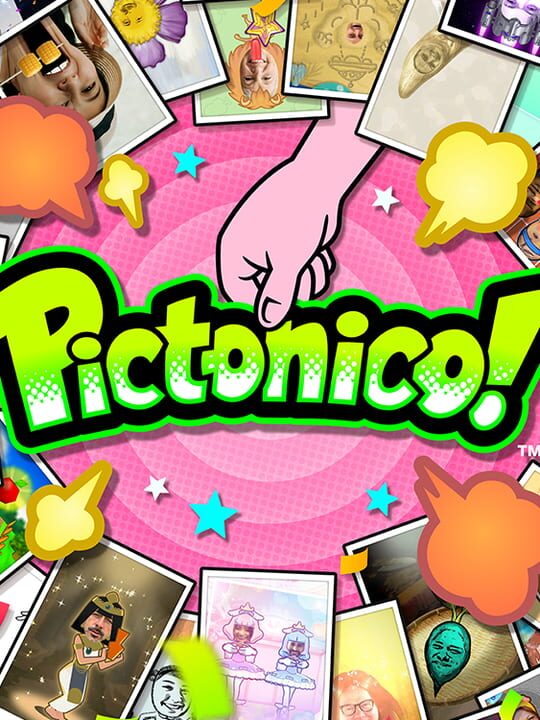
▲ Official Cover Art (Source: IGDB)
| Game Title | Pictonico! |
| Developer | Intelligent Systems / Nintendo |
| Platform | Mobile (iOS / Android) |
| Release Date | May 30, 2026 |
| Key Feature | Photo Library Integration / Microgames |
The Strategic Pivot Behind Pictonico! and Brand Reach
For several years, the narrative surrounding Nintendo’s mobile presence was one of quiet withdrawal. After the initial rush of titles like Super Mario Run and the lucrative but controversial Fire Emblem Heroes, the company seemed content to let the market cool while the Switch platform dominated. However, the release of Pictonico! confirms that the “smart device” strategy is far from dead. Instead of chasing the exploitative gacha mechanics that defined the mid-2010s, Nintendo appears to be using mobile as a gateway for younger audiences and casual players. This move aligns with their recent ventures into cinema and theme parks, aiming to keep their intellectual property at the forefront of the cultural zeitgeist.
Interestingly, Pictonico! is not an isolated incident. In the past nine months, we have seen the release of the educational Hello, Mario! and the experimental social deduction title Fire Emblem Shadows. While the latter received a lukewarm reception from the core community, it demonstrates a willingness to take risks with established franchises. The strategy is clear: provide small, polished experiences that lead players back to the premium ecosystem of the Nintendo Switch 2. It is a brand-retention play that prioritizes engagement over the predatory monetization schemes that have plagued the mobile sector for years.
Analyzing Pictonico! Gameplay and Hardware Synergy
The core hook of Pictonico! is its brilliant use of the player’s own digital life. By pulling faces from your photo library and injecting them into frantic WarioWare-style microgames, Intelligent Systems has bypassed the need for complex narrative or character progression. The humor is procedural; seeing a family member or a friend’s face in a ridiculous 5-second challenge provides a level of immediate satisfaction that static assets cannot replicate. This is a classic example of Nintendo identifying a hardware-specific feature—the omnipresent smartphone camera and gallery—and building a game around it rather than simply porting an existing console experience.
From a technical perspective, Pictonico! maintains the signature high-fps responsiveness required for the genre. Intelligent Systems, having worked on the WarioWare franchise since its inception on the Game Boy Advance, understands the “one-two-three-go” rhythm perfectly. The UI is minimal and touch-responsive, ensuring that the barrier to entry is non-existent. It is the type of game that works equally well during a short commute or as a social centerpiece at a gathering. By focusing on these short bursts of joy, Nintendo is reclaiming the “blue ocean” audience they once captured during the Wii and DS eras.
Comparison with the Legacy Mobile Era
Comparing Pictonico! to the 2016-2019 era of Nintendo mobile games reveals a significant change in philosophy. During the Wii U’s struggles, the move to mobile felt like a panicked necessity. Today, it feels like a calculated luxury. The company no longer needs mobile revenue to survive, which has allowed them to focus on quality and innovation. While games like Fire Emblem Heroes continue to be significant earners, Pictonico! represents a return to form for Nintendo’s creative spirit in the digital space. It avoids the “race to the bottom” and instead offers a premium-feeling experience that respects the player’s time and intelligence.
As we look forward, the integration of services like Nintendo Music and the persistent updates to the Nintendo Classics library on Switch Online suggest a unified ecosystem. Whether you are listening to David Wise’s “Aquatic Ambiance” on the bus or playing a quick round of Pictonico!, the goal is the same: total brand immersion. The success of this title may very well dictate how Nintendo approaches its upcoming mobile pipeline throughout the late 2020s.
Pictonico! proves Nintendo is finally treating mobile as a creative canvas rather than a life raft.
By leveraging device-specific features like photo library integration, Nintendo is avoiding the generic gacha traps of the past. This isn’t just about revenue; it is about keeping the brand relevant to a generation that views the smartphone as their primary interactive screen. If Intelligent Systems can maintain this level of polish, the mobile space might finally see the Nintendo magic it was promised a decade ago.
Final Pulse Score: 8.5 / 10