
Marvel 1943: Rise of Hydra is officially moving its launch window to 2027, as the development team prioritizes cinematic quality and a sustainable production model over a rushed release. While fans were originally hoping to step into the boots of Captain America and Black Panther sooner, the leadership behind the project has confirmed that the game needs more time in the oven to meet the high ambitions of its creators. The project remains a central pillar for the newly formed Paramount Games Studio, ensuring that the heavy-hitting Marvel license receives the attention it deserves.
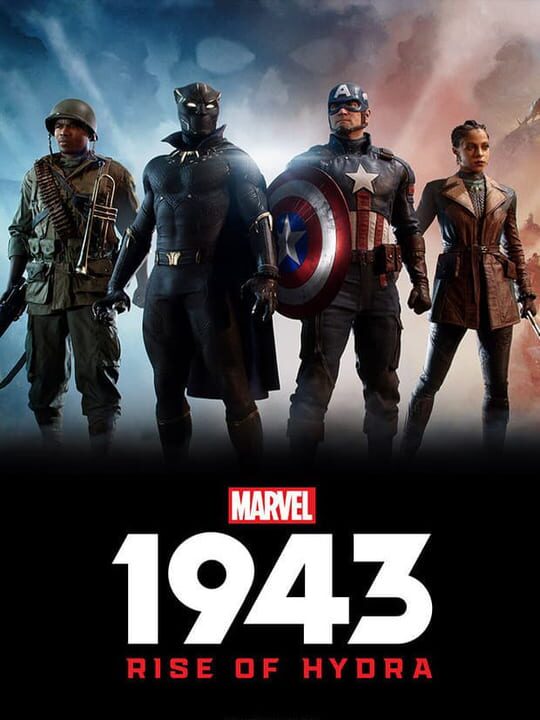
▲ Official Cover Art (Source: IGDB)
| Lead Developer | Skydance New Media |
|---|---|
| Publisher | Paramount Games Studio |
| Creative Director | Amy Hennig |
| Setting | Occupied Paris, World War II |
| Key Characters | Captain America, Black Panther (Azzuri) |
| Release Window | 2027 |
The Quality Standard for Marvel 1943: Rise of Hydra
The decision to delay the game stems from a commitment to hitting AAA quality levels with a team that is relatively small compared to industry giants. Creative lead Amy Hennig, renowned for her work on the Uncharted series, is pushing for a level of fidelity and narrative depth that requires a more meticulous pace. Development executives have clarified that while the game is fully playable and present on internal hardware, the focus is now on polishing the experience to match the high-end visuals previously showcased in early trailers. This approach is part of a broader strategy to move away from the often-criticized “crunch” culture, opting instead for a responsible development cycle.
Building a new studio from the ground up while simultaneously developing a major licensed title has presented unique challenges. The production originally faced hurdles during the global pandemic, which disrupted early timelines and necessitated a shift in expectations. Rather than attempting to force a release into the current calendar year, the studio is giving the developers the space to “cook,” ensuring that the final product is a polished, cohesive experience that stands up to the legacy of its iconic characters.
Narrative Ambition and the Road to 2027

▲ Official Artwork (Source: IGDB)
Set against the backdrop of Occupied Paris during World War II, Marvel 1943: Rise of Hydra explores a unique partnership between a young Steve Rogers and Azzuri, the Black Panther of that era. The narrative focus is expected to be a major draw for players, moving away from the live-service models that have recently polarized the superhero gaming market. By focusing on a tight, story-driven experience, the team aims to deliver a cinematic journey that justifies the extended wait time. The delay also ensures that the game’s unique development model—utilizing a fraction of the resources of typical AAA blockbusters—can successfully prove that smaller, more focused teams can still deliver world-class results.
Impact on Future Projects
The roadmap for this development team is already quite full, as Amy Hennig is also slated to lead a new Star Wars project in collaboration with Lucasfilm. However, the studio has made it clear that Marvel 1943: Rise of Hydra remains the immediate priority. The Star Wars game will stay in the early stages of work until the Hydra-focused adventure is complete. This sequential focus highlights a disciplined management style that refuses to spread resources too thin, further reinforcing the commitment to the 2027 release window as a firm target for quality.
Amy Hennig’s shift toward a sustainable AAA model for Marvel 1943: Rise of Hydra could redefine development standards.
By avoiding the bloated, resource-heavy pipelines of modern blockbusters, the team is attempting to prove that high-fidelity storytelling doesn’t require thousands of developers. For players, this means the delay is less about technical failure and more about ensuring that the interplay between Captain America and Black Panther delivers the cinematic weight we expect from the creator of Uncharted.
Final Pulse Score: 8.5 / 10