
Exodus has finally pulled back the curtain on its ambitious sci-fi universe with an extended gameplay reveal at the Future Games Show Summer Showcase 2026. While the project has been under intense scrutiny since its initial announcement, this latest footage provides a definitive look at the moment-to-moment action and the narrative weight driving this new space opera. Developed by Archetype Entertainment, the title positions itself as a cinematic RPG that leans heavily into the traditions of the genre while attempting to introduce high-concept sci-fi elements like time dilation into the core gameplay loop.
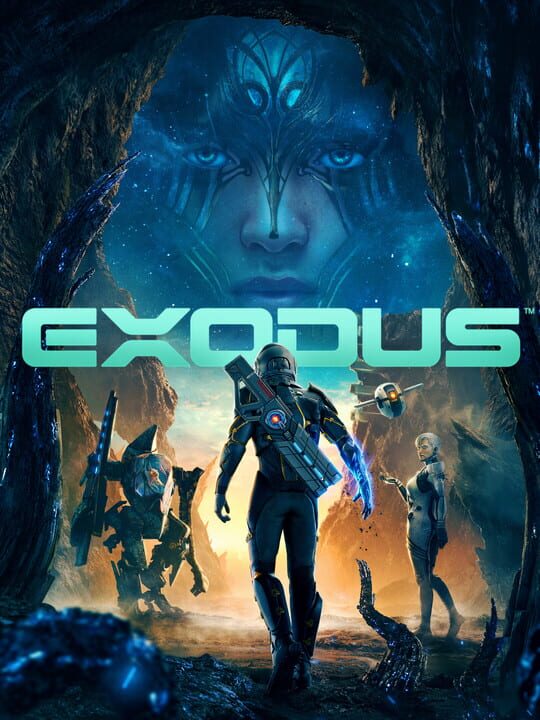
▲ Official Cover Art (Source: IGDB)
| Feature | Details |
|---|---|
| Developer | Archetype Entertainment |
| Release Window | Early 2027 |
| Protagonist | Jun Aslan | PlayStation 5 Pro, Xbox Series X/S, PC |
| Key Mechanics | Time Dilation, Alignment System, Upgradeable Gauntlet |
The Journey of Jun Aslan: From Salvager to Legend
In a departure from the typical military protagonist seen in many space-faring adventures, Exodus introduces us to Jun Aslan. Unlike a decorated commander, Jun begins their journey as a deep space salvager, characterized as an underdog trying to survive the harsh realities of the cluster. However, the gameplay reveals that Jun possesses a unique genetic trait that serves as the catalyst for the player’s progression. This trait allows them to interface with ancient and powerful technology, specifically an upgradeable gauntlet that acts as the primary tool for combat and environmental interaction.
The combat mechanics showcased suggest a blend of tactical positioning and ability management. The gauntlet serves as a versatile weapon system, allowing players to customize their loadouts to fit specific playstyles. Whether you are using the device to manipulate the environment or unleash devastating energy attacks, the fluidity of the movement indicates that Archetype Entertainment is prioritizing a responsive third-person experience. This focus on individual character builds is further emphasized by the branching paths of the narrative and the mechanical benefits tied to your choices.
Deep Narrative Systems and the Exodus Companion Roster
One of the most striking aspects of the reveal is the heavy emphasis on the alignment system. Players will be forced to make difficult moral decisions that track their progress toward becoming either a Paladin or an Immortal. These aren’t just cosmetic titles; your alignment directly influences your character’s abilities and how the inhabitants of the hub city, Persepolis, react to your presence. For example, a choice to sacrifice innocent bystanders for mission efficiency might push you toward the Immortal path, unlocking more self-serving, powerful combat traits at the cost of social standing in certain sectors.
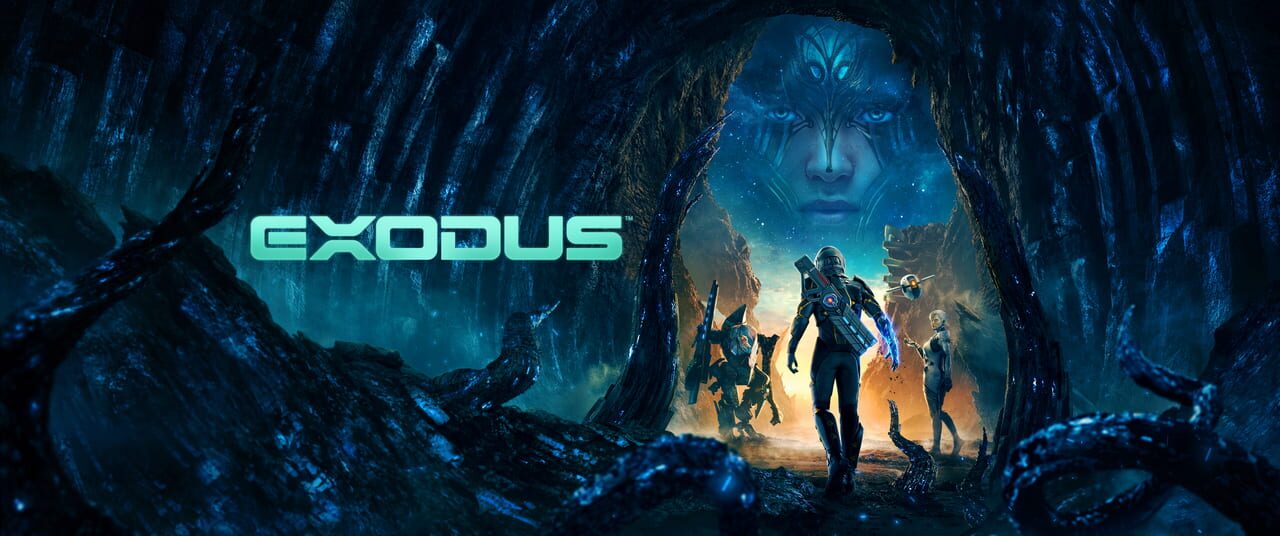
▲ Official Artwork (Source: IGDB)
The companion system in Exodus also takes center stage, featuring a diverse cast that feels both familiar and distinct. We were introduced to Phaedra Nath, a xeno-archaeologist who brings intellectual depth to the squad, and Tom Vargas, a veteran presence who offers a more cautious perspective on the team’s dangerous expeditions. More exotic companions include Salt, an Awakened octopus, and Houston, an Awakened wolf, suggesting that the game’s lore regarding biological uplift will play a major role in party dynamics. The inclusion of CC Orlev, voiced by Matthew McConaughey, adds a layer of mystery as a mentor figure who seems to operate outside the standard party structure.
Time Dilation: The X-Factor of Space Exploration
Perhaps the most original mechanic discussed is the role of time dilation. In Exodus, traveling through the stars isn’t instantaneous or without consequence. A few hours spent on a mission in deep space could result in years or even decades passing back at the home hub of Persepolis. This creates a unique narrative tension where the world Jun returns to may be fundamentally changed by the passage of time. Archetype is leveraging this concept to show the long-term impact of the player’s choices, potentially seeing civilizations rise or fall based on the technology Jun retrieves or the factions they support.
While the aesthetic and character archetypes clearly draw inspiration from the titans of the genre, the execution of the Mara Yama—the terrifying alien threats introduced in earlier teasers—remains the game’s most intriguing hook. If Exodus can successfully balance the traditional RPG elements shown today with the cosmic horror themes of its earlier marketing, it stands a chance to be the definitive sci-fi experience of 2027. The polish on the visuals for the PlayStation 5 Pro and high-end PC hardware suggests a title that is pushing the boundaries of current-generation fidelity.
Exodus shifts from cosmic horror to classic RPG archetypes in its latest reveal.
The transition from the ‘Mara Yama’ horror teasers to a more traditional squad-based ARPG format suggests Archetype is aiming for broad market appeal. While the Mass Effect comparisons are unavoidable, the implementation of time dilation as a narrative and mechanical engine is where this title will either sink or swim. If the consequences of time passage are truly systemic and not just scripted events, we are looking at a evolution of the RPG genre that goes beyond simple dialogue trees.
Related Article: Mass Effect TV Show Rewrite Update
Related Article: Star Wars Fate of the Old Republic Update
Final Pulse Score: 8.2 / 10