
Deadlock is rapidly evolving from its early alpha stages into a sophisticated blend of hero shooter precision and MOBA depth that challenges even veteran players. While the primary mode offers a rich layer of lane management and economic scaling, the introduction of the Street Brawl mode has fundamentally changed the onboarding process for the gaming community. This 4v4 casual experience strips away the intimidating barriers of traditional MOBA structures, allowing players to focus entirely on hero mechanics and team synergy without the pressure of a forty minute commitment. For many who have spent the last two years exploring Deadlock, this mode represents a necessary pivot toward accessibility in a genre often defined by its steep learning curves and high barrier to entry.
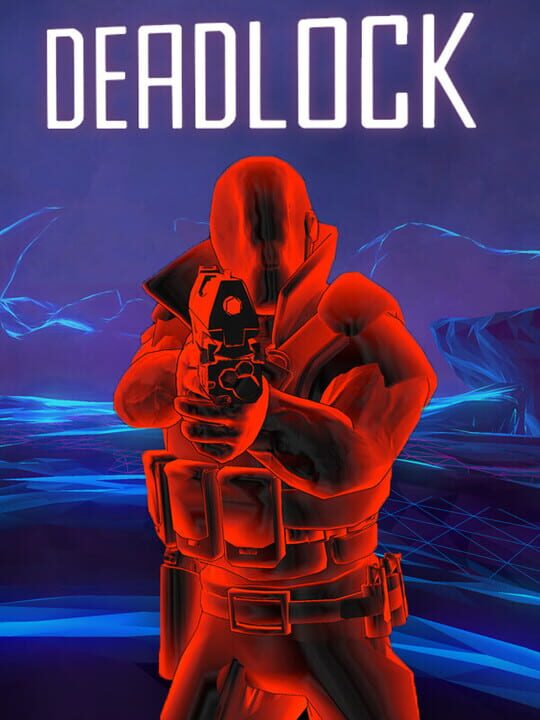
▲ Official Cover Art (Source: IGDB)
| Feature | Street Brawl Details |
|---|---|
| Team Size | 4v4 Competitive Format |
| Match Length | Under 15 Minutes |
| Economic System | No Farming Required |
| Item Selection | Draft 3 of 9 per Round |
| Primary Goal | Combat and Hero Mastery |
The Strategic Brilliance of Deadlock Street Brawl Mode
One of the most significant hurdles in any MOBA is the sheer volume of knowledge required to remain competitive, and Deadlock is no exception to this rule. Between managing soul economy and understanding complex item builds, new players often find themselves overwhelmed before the mid game even begins. Street Brawl solves this by condensing the experience into a high intensity environment where the traditional stresses of multi lane management are completely removed. This allows for a much narrower focus on the moment to moment gameplay, which is essential for mastering the movement and aiming requirements of this unique third person shooter hybrid.
The shift to a 4v4 format changes the tactical landscape significantly, placing a higher premium on individual hero ability usage and team coordination. Without the need to rotate between lanes or secure neutral objectives, the meta in Street Brawl becomes a pure test of combat efficiency and spatial awareness. This environment is perfect for testing out high skill floor heroes who require precise execution, as the consequences of failure are far less punishing than in a full scale match. By removing the economic snowballing often found in the main mode, the game ensures that matches remain competitive and engaging from start to finish for all participants.

▲ Official Artwork (Source: IGDB)
Streamlined Itemization and Faster Pacing
The way Deadlock handles items in the Street Brawl mode is perhaps its most innovative feature for newcomers. Instead of navigating a massive shop with dozens of potential upgrades, players are presented with a curated selection of nine items at the start of each round and must choose three. This drip feed approach to itemization serves as an excellent educational tool, giving players the time to actually read descriptions and understand how specific buffs interact with their chosen hero. It effectively eliminates the choice paralysis that often leads to sub optimal builds in the heat of a standard competitive match.
Furthermore, the reduction in match duration is a massive improvement for the average user’s experience. Most Street Brawl encounters wrap up in under fifteen minutes, providing a rapid fire feedback loop that is much more conducive to learning than a long, drawn out defeat. This fast pacing encourages experimentation, as players can quickly see the results of their tactical decisions and adjust in the next round or the next match. It creates a powerful loop that is essential for building a healthy and active player base as the game continues its development cycle through 2026.
A Training Ground for High Stakes Play
While some might view a casual mode as a distraction from the core experience, the reality is that the skills learned in Street Brawl translate directly to the main Deadlock competitive ladder. Understanding which items counter specific hero abilities or learning how to effectively use a hero’s verticality are universal skills that benefit players in every context. By providing a low pressure environment to sharpen these instincts, the developers are ensuring that the transition to the full MOBA experience is smoother and more rewarding for everyone involved. The mode effectively functions as a high speed laboratory for testing hero synergies and combat strategies.
Ultimately, the inclusion of more accessible modes indicates a clear vision for the future of the title. By catering to both the hardcore strategist and the casual brawler, the developers are maximizing the game’s reach without sacrificing the depth that MOBA fans crave. As the game continues its journey through alpha and beyond, the refinement of these alternative modes will likely play a crucial role in maintaining its position at the top of the genre. Players who were once intimidated by the MOBA tag now have a viable path to mastery that is as fun as it is educational.
Deadlock Street Brawl serves as a vital bridge between casual shooters and deep MOBA strategy
By isolating the combat mechanics from the economic complexities of the genre, this mode allows for a pure focus on mechanical skill and hero familiarity. The round based item selection is a masterstroke in user experience design, preventing information overload while still rewarding strategic foresight. This approach not only lowers the entry barrier but also provides a high speed training ground that benefits the entire competitive ecosystem. As the meta continues to shift, these accessible entry points will be the key to sustaining long term player retention in a crowded market.
Final Pulse Score: 9.0 / 10