
Guild Wars 3 is officially breaking away from modern industry trends by rejecting the live-service pitfalls that have plagued the genre for years. Following its major reveal during the 2026 Summer Game Fest, the community has been eager to understand how this massive sequel will handle its economy and player retention. Unlike many contemporary competitors that rely on recurring revenue streams, this title will arrive as a premium, buy-to-play product, staying true to the franchise legacy of providing a high-quality experience without the burden of monthly fees.
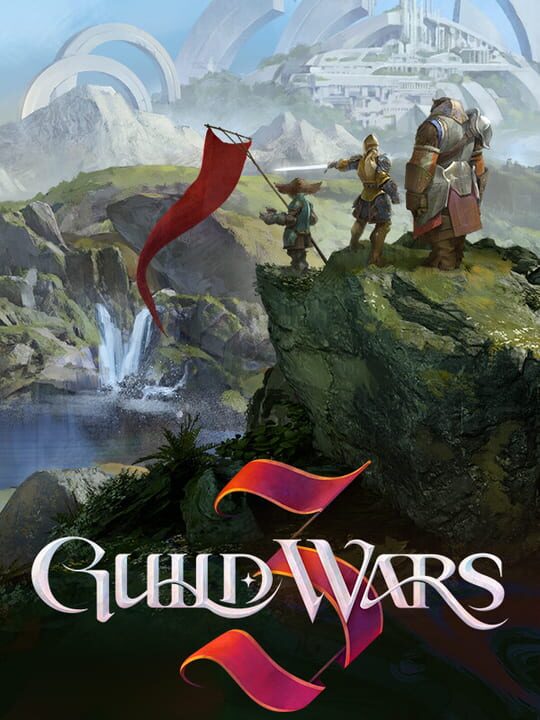
▲ Official Cover Art (Source: IGDB)
| Feature | Information |
|---|---|
| Developer | ArenaNet | Monetization Model | Buy-to-Play (No Subscription) |
| Primary Platform | PC |
| Legacy Support | Guild Wars 1 and 2 remain active |
The Philosophy of Freedom in Guild Wars 3
The leadership at ArenaNet has taken a firm stance against the current state of the MMO market, specifically targeting the feeling that games have become mandatory second jobs. The design philosophy behind Guild Wars 3 is centered on the idea that players should never feel like hostages to a digital schedule. By removing the pressure of a premium battle pass or a mandatory subscription, the studio is allowing players to engage with the world of Tyria at their own pace. This respect for player time is a rare commodity in 2026, where most titles are designed around maximizing daily active user metrics through psychological hooks rather than pure gameplay enjoyment.
Historically, the series has always been a disruptor. The original game proved that a high-end RPG could survive without a monthly fee, and the second entry refined that into a massive living world supported by cosmetic microtransactions and expansions. For Guild Wars 3, the goal is to solve the stagnation that has gripped the genre for over a decade. The development team believes that the MMO space is ready for innovation, and that starts with a consumer-friendly business model that prioritizes the quality of the content over the frequency of the billing cycle.
How Guild Wars 3 Impacts the Global MMO Meta
By positioning Guild Wars 3 as a premium product, ArenaNet is challenging the industry to move away from bloated live-service structures. The decision to skip the battle pass system is particularly noteworthy, as even the free-to-access Wizard Vault in the previous title was seen as a middle ground. This new direction suggests a return to traditional expansion-based growth, where the value proposition is clear and upfront. This move is expected to resonate deeply with veteran players who have grown weary of the seasonal grind and FOMO (fear of missing out) mechanics that dominate current online gaming landscapes.
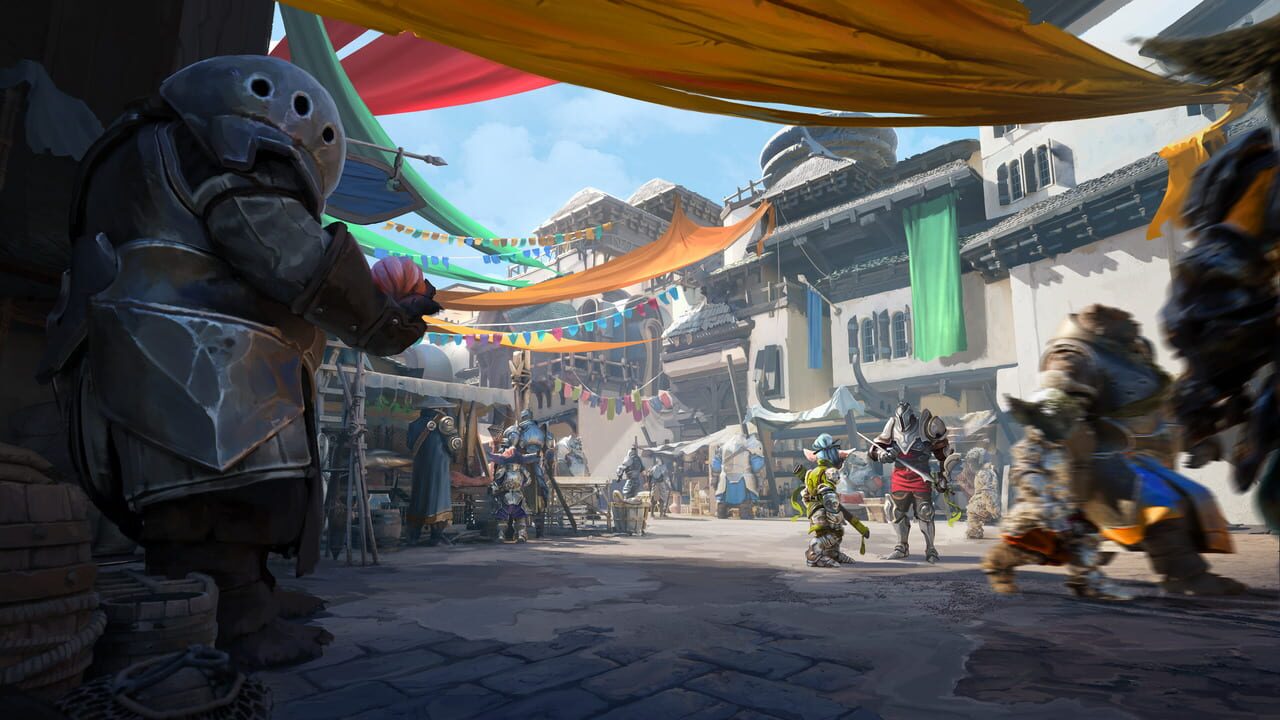
▲ Official Artwork (Source: IGDB)
Furthermore, the commitment to long-term franchise health remains a priority. While development resources are shifting toward the sequel, the existing ecosystems of the first two games will not be abandoned. It has been confirmed that Guild Wars 2 expansions will continue to be released alongside the lifecycle of the third game, ensuring that the transition between titles is a choice rather than a forced migration. This multi-generational support strategy is almost unheard of in the genre and reinforces the developer commitment to their community stability.
Expanding the Horizons with Narrative CRPGs
While the MMO world is buzzing with these revelations, the broader RPG landscape is also seeing a shift toward narrative-heavy experiences. Vampire The Masquerade Eternal Whispers has recently been announced as a CRPG that draws heavy inspiration from the dense, choice-driven mechanics of Disco Elysium. Developed by Flyos and published by Kwalee, this project takes players to a dark-modern Montreal where traditional combat is replaced by political intrigue and personal horror. You can learn more about this project on its official Steam page.
This narrative focus mirrors the innovation seen in Guild Wars 3, as both titles seek to break away from stagnant genre tropes. Whether it is through revolutionary monetization or the removal of traditional combat in favor of deep deduction and character customization, the 2026 gaming landscape is clearly moving toward more specialized and respectful player experiences. For those looking for a hardcore challenge, the inclusion of a Final Death mode in Eternal Whispers suggests that consequences in these new digital worlds will be more meaningful than ever before.
Guild Wars 3 and the Return of Premium Sovereignty
The decision to reject subscriptions and battle passes in Guild Wars 3 is a strategic move that addresses the growing fatigue within the gaming community. By focusing on a buy-to-play model, ArenaNet is banking on the quality of their world-building and gameplay innovation to drive sales rather than coercive retention mechanics. This approach not only respects the player wallet but also forces the developers to create content that is genuinely worth the entry price, potentially resetting the standard for the entire MMORPG industry in 2026 and beyond.
Final Pulse Score: 9.5 / 10