
Resonance A Plague Tale Legacy represents a fascinating and daring pivot for Asobo Studio as they move the franchise away from the rain slicked streets of medieval France and into the scorching sun of ancient Crete. Set fifteen years prior to the events involving Amicia and Hugo, this prequel introduces a radical shift in gameplay philosophy by prioritizing direct confrontation over the series traditional stealth. Players step into the boots of Sophia, the seasoned adventurer from the previous games, as she navigates the mysteries of a temple connected to her childhood dreams and the ever present threat of the Macula plague. This change in perspective allows for a more aggressive narrative pace that maintains the emotional resonance the series is known for while introducing a vastly expanded mechanical toolkit.
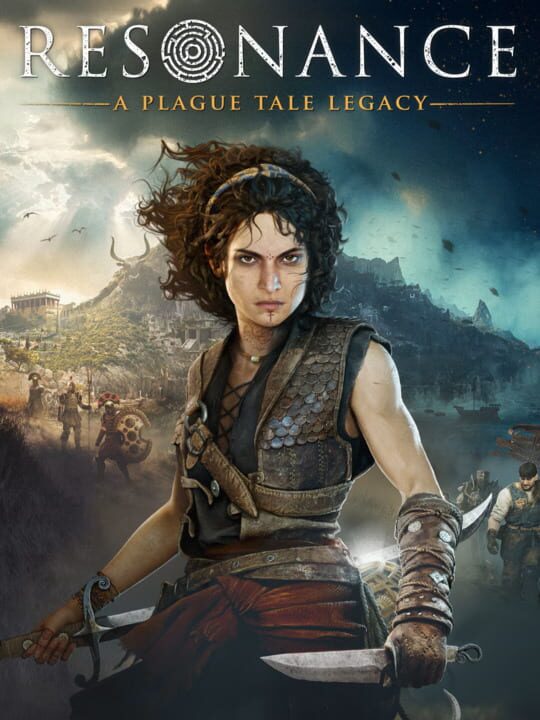
▲ Official Cover Art (Source: IGDB)
| Feature | Details |
|---|---|
| Lead Developer | Asobo Studio |
| Release Date | August 27, 2026 |
| Protagonists | Sophia and Theseus |
| Primary Setting | Crete, Greece |
| Gameplay Focus | Action Combat and Puzzle Solving |
The Evolution of Combat in Resonance A Plague Tale Legacy
The most immediate change in Resonance A Plague Tale Legacy is the complete abandonment of forced stealth in favor of a robust, rhythmic combat system. Sophia is depicted as a formidable warrior, and her moveset reflects a lethal efficiency inspired by the fluid combat found in modern classics like Ghost of Tsushima and the Arkham series. Players must master the art of parrying, dodging, and timing their strikes to survive encounters with packs of aggressive enemies. The animation quality is exceptionally high, capturing the frantic energy of a survivor who uses every tool at her disposal, including a versatile rope attack that functions as a crowd control mechanism to pull enemies into environmental hazards or close the distance for a finishing blow.
Depth is added to this new combat loop through a dedicated skill tree and equipment progression system. As Sophia levels up, players can unlock new maneuvers, such as charged attacks and block breakers, which become essential when facing more resilient mini boss characters. Additionally, the ability to collect and equip different swords offers variety in combo finishers and tactical approaches. This shift toward action does not feel like a generic addition; rather, it feels like a necessary evolution to reflect Sophias background as an experienced adventurer. The combat remains challenging, requiring genuine focus and spatial awareness, ensuring that the tension of the previous games is preserved even without the shadows to hide in.
Dual Timelines and the Legend of Theseus
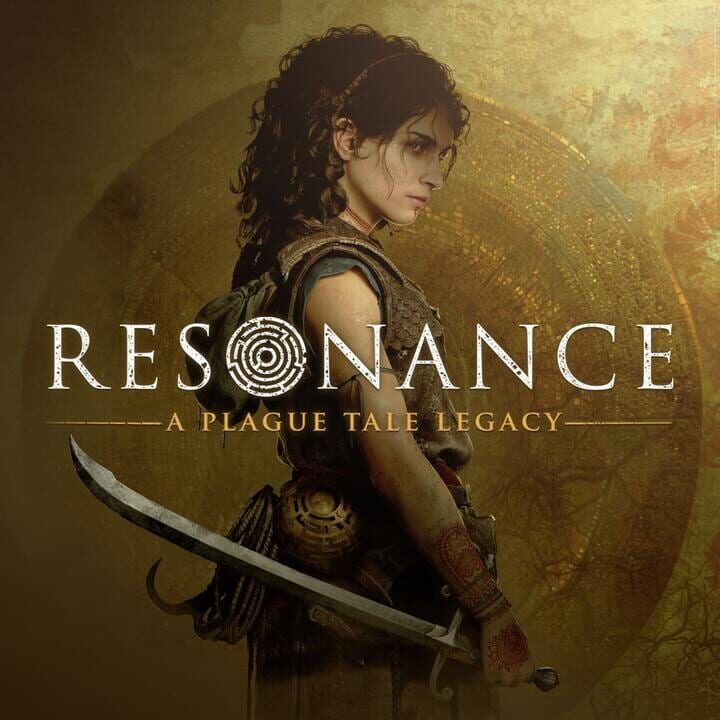
▲ Official Artwork (Source: IGDB)
Narrative structure in Resonance A Plague Tale Legacy is split between Sophias modern exploration and the playable memories of the legendary hero Theseus. This dual timeline mechanic is seamlessly integrated, often whisking the player back thousands of years to the exact same locations Sophia is currently investigating. While Sophia explores the ruins of a temple, Theseus experiences those same spaces in their prime, filled with roaring crowds and gladiatorial spectacles. This contrast provides a unique perspective on the architecture and lore, as players witness the transition from a vibrant, ritualistic society to the crumbling, puzzle filled corridors Sophia must navigate. Playing as Theseus also introduces a different, more brutal combat style, such as the ability to kick enemies off platforms or unleash devastating area of effect attacks.
Puzzle solving remains a core pillar of the experience, drawing heavy inspiration from the environmental storytelling of Uncharted and Tomb Raider. The puzzles in Resonance A Plague Tale Legacy often revolve around light manipulation, but they have evolved beyond simply warding off rats. Players must use Sophias journal to find clues and navigate complex traps, such as a high stakes walk across pressure sensitive tiles that requires memorization and calm under pressure. To assist players who might find these segments particularly challenging, a new character named Leni provides optional hints. This system is designed to be non intrusive, only offering guidance if the player chooses to accept a prompt after a period of stagnation, ensuring that the satisfaction of discovery remains in the players hands.
The visual fidelity of the Mediterranean setting is breathtaking, with Gaudi inspired architecture and intricate mosaics that emphasize the grandeur of the ancient world. Even with a brighter color palette compared to its predecessors, the game retains a haunting atmosphere, particularly as the descent into the temple goes deeper and the environments become more supernatural. The sense of scale is immense, with vast chambers and massive statues of Greek warriors serving as backdrops for both the combat and the narrative revelations. As we approach the August launch, it is clear that this title is positioning itself as a bold expansion of the Plague Tale universe, trading the vulnerability of childhood for the grit of a seasoned warrior facing an ancient legacy.
Resonance A Plague Tale Legacy proves that franchise reinvention can succeed through mechanical confidence
The transition from a stealth focused survival game to a combat heavy action adventure is a high risk move that pays off by leaning into Sophias established lore. By incorporating a dual timeline narrative featuring Theseus, Asobo Studio has found a way to expand the Macula mythology without relying on the familiar tropes of the previous duo. The rhythmic combat system feels surprisingly refined for a first attempt, suggesting a high level of technical polish that will likely set a new standard for the series. This title successfully bridges the gap between atmospheric storytelling and high engagement gameplay, making it a pivotal release for the 2026 calendar.
Final Pulse Score: 8.8 / 10
Related Article: Control Resonant Remedy Gameplay Strategy
Related Article: Assassins Creed Black Flag Resynced Blood Details