
Resident Evil Veronica is redefining the expectations set by its initial reveal as Capcom clarifies the mechanical direction for this highly anticipated remake. While the atmospheric debut trailer showcased a cinematic first-person perspective that mirrored the immersive horror of recent mainline entries, official confirmation has arrived that the actual gameplay will utilize a traditional third-person camera. This pivot ensures that the reimagining of Claire Redfields iconic survival horror journey remains consistent with the over-the-shoulder gameplay style perfected in recent remakes of the second and fourth numbered titles. By prioritizing a third-person lens, the developers are focusing on the tactile relationship between the player, the environment, and the visceral threats Claire must overcome in her desperate search for her brother.
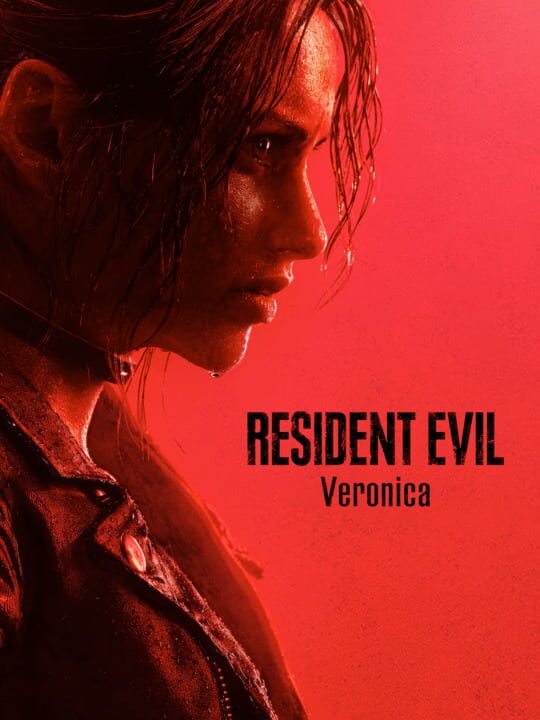
▲ Official Cover Art (Source: IGDB)
| Attribute | Detail |
| Developer | Capcom |
| Release Window | 2027 |
| Protagonist | Claire Redfield |
| Perspective | Third-Person Over-the-Shoulder |
| Platforms | PS5, Xbox Series X/S, Switch 2, PC |
The Tactical Shift in Perspective for Resident Evil Veronica
The decision to employ a third-person perspective in Resident Evil Veronica stems from a desire to respect the heritage of the original Dreamcast classic while evolving its mechanics for modern hardware. Producers have noted that while first-person sequences may be used for specific narrative beats or environmental storytelling, the core loop of combat and exploration is designed around the third-person framework. This choice was largely influenced by the success of the 2019 reimagining of the second entry, which provided a blueprint for how to balance claustrophobic tension with precise, over-the-shoulder gunplay. Players can expect a similar level of mechanical depth, where positioning and resource management are paramount to survival.
Focusing on a third-person view also allows Capcom to highlight the character model of Claire Redfield, who has not been seen in a modern release since her appearance in 2015. The team aims to depict a version of Claire that feels like a natural extension of her rookie self from Raccoon City, but with the subtle edge provided by the training she received from her brother, Chris. This mechanical consistency across the modern remake timeline provides a cohesive experience for fans who have followed the series through its latest iterations. The shift back to third-person is seen as the most effective way to convey Claires struggle against the unique horrors of the Parisian and Antarctic facilities.
Narrative Continuity and Resident Evil Veronica Gameplay Systems
Resident Evil Veronica takes place approximately three months after the events of the Raccoon City incident, making it a direct narrative successor to the events of the second game. Because Claire is essentially the same person players guided through the RPD, the developers wanted to ensure her capabilities feel familiar yet slightly improved. She is not yet the seasoned government agent seen in later titles, but her survival instincts and basic training make her a formidable protagonist. This remake aims to capture that specific window of her life, balancing her vulnerability with a growing sense of competence as she faces a exemplary and dangerous situation very quickly.
By ditching the Code suffix from the original title, Capcom is positioning Resident Evil Veronica as a streamlined and essential chapter of the lore. The gameplay systems are being refined to emphasize the unique atmosphere of the setting, which is described as a very unique entry in the series history. While the 2026 release of Resident Evil Requiem experimented with a hybrid camera approach, the team behind Veronica has decided that a dedicated third-person focus is the best way to honor the original games spirit. This clarity in direction suggests a highly focused development process that prioritizes the core survival horror experience over experimental camera gimmicks.
▲ Official Artwork (Source: IGDB)
Frontier Developments and the Expanding Management Meta
While horror fans look toward 2027, the management simulation community is bracing for a busy back half of 2026. Frontier Developments has confirmed that Planet Zoo 2 is scheduled for launch on October 13, 2026, bringing enhanced simulation depth to the beloved franchise. However, the biggest surprise from the developer is the quiet announcement of an entirely new own-IP construction and management simulation game slated for the 2028 financial year. This upcoming title is expected to arrive between May 2027 and May 2028, and it promises to explore a setting completely different from the theme parks and zoos we have seen previously.
Speculation within the community has reached a fever pitch, with theories ranging from a spiritual successor to classic Hollywood simulators to complex museum management titles. The developer has emphasized that this new franchise will retain the creative and simulation-heavy DNA that fans love while introducing a fresh theme that has not been explored by the studio before. Between Claires return to the horror stage and Frontiers new ventures into management, the 2026 to 2027 release calendar is shaping up to be a golden era for genre-specific excellence across all major platforms including the Switch 2 and PS5.
The strategic importance of third-person gameplay in Resident Evil Veronica
Capcoms decision to stick with a third-person camera is a calculated move to maintain visual and mechanical synergy across their remake lineup. By avoiding the first-person trend for this specific title, the developers can better showcase the physical growth of Claire Redfield as a protagonist. This choice reinforces the remakes role as a bridge between the classic era and the modern franchise identity. Furthermore, it ensures that the environmental puzzles and tight corridor combat remain balanced for the precise movement that third-person fans expect from the RE Engine.
Final Pulse Score: 9.2 / 10