
Onimusha Way of the Sword is officially reclaiming the throne of the samurai action genre following an extensive and visceral showcase at Summer Game Fest. While Capcom has already provided a public taste through a playable demo on consoles and PC, the latest deep dive into new areas reveals a game that is significantly more ambitious than its predecessors. This isn’t just a simple hack-and-slash revival; it is a meticulously crafted descent into a world where Japanese folklore and high-stakes combat collide with brutal precision. By putting players in the sandals of the legendary Miyamoto Musashi, the title promises a level of technical depth that makes high-level play look less like a video game and more like a well-choreographed dance of death.
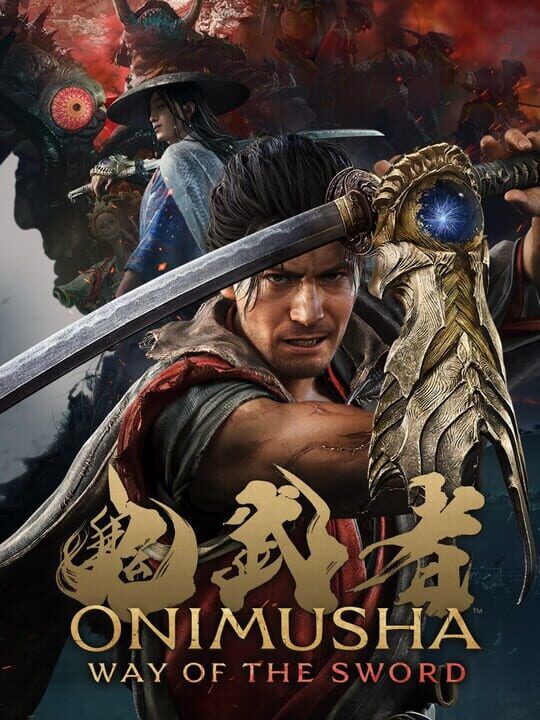
▲ Official Cover Art (Source: IGDB)
| Developer | Capcom |
| Release Date | September 25, 2026 |
| Platforms | Nintendo Switch 2, PlayStation 5, Xbox Series X, Windows PC |
| Protagonist | Miyamoto Musashi (Toshiro Mifune likeness) |
| Key Gameplay Mechanic | Oni Armaments System |
The Haunted Landscapes and the Malice of the Genma
The narrative weight of Onimusha Way of the Sword is grounded in its unsettling atmosphere, particularly during the newly revealed chapter titled Careful What You Wish For. In this segment, Musashi explores a village ravaged by Malice, a supernatural infection that causes the suffering populace to hallucinate a joyous existence while their bodies are literally harvested by the Genma. The storytelling here is surprisingly dark, moving beyond simple heroism to highlight the grotesque nature of the immortal demons that haunt the land. The interaction between Musashi and the Eight Stout Pillars—stone spirits seeking to restore the town—adds a layer of folklore-driven charm to an otherwise bleak environment.
The central antagonist of this area, a demon known as Rasho-gan, serves as a perfect example of the game’s creative direction. This creature is a literal manifestation of human suffering, covered in extracted body parts and seeking to claim Musashi’s cursed gauntlet arm. The transition from exploration to the multi-stage boss battle against Rasho-gan highlights the seamless pacing Capcom has achieved. Players must navigate environmental hazards and use every tool in their arsenal to survive a demon that utilizes projectiles, jumps, and extra limbs in unpredictable and deadly patterns.
The Strategic Depth of Onimusha Way of the Sword Oni Armaments
Combat in Onimusha Way of the Sword is defined by the Oni Armaments, a versatile weapon system that allows players to adapt to any threat. Beyond Musashi’s standard sword and bow, the Oni Armaments offer distinct tactical advantages that are crucial for survival. For instance, the Twin Celestials provide a pair of daggers that summon healing spirits upon striking a foe, creating a sustainable loop for aggressive players. For those who prefer raw power, the Earth Shakers function as hammers designed specifically to deplete an enemy’s stamina, leaving them vulnerable to devastating finishers.
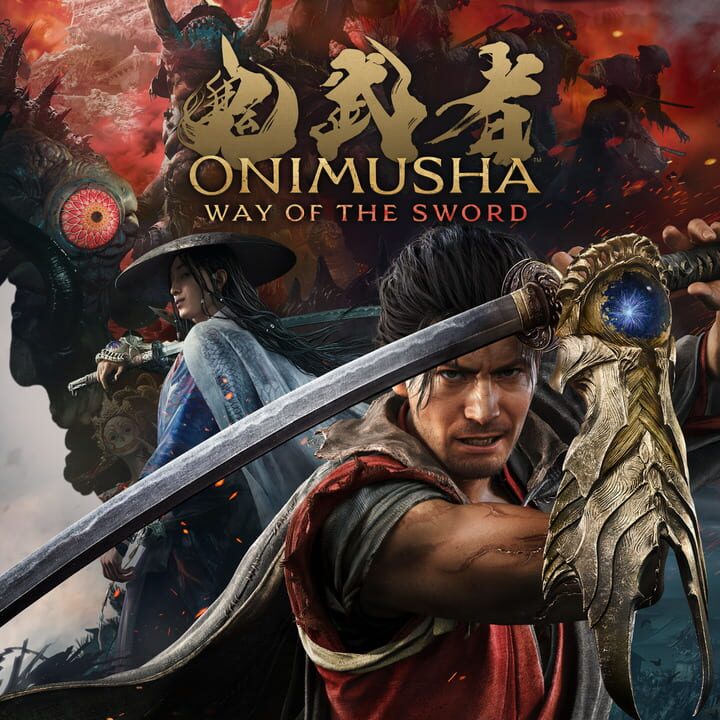
▲ Official Artwork (Source: IGDB)
The variety extends to crowd control and elemental damage as well. The Firebird Flute allows Musashi to summon fiery avian spirits to ignite groups of Genma, while the Wind-Whipper polearm provides area-of-effect damage that keeps enemies at bay. Watching an expert player cycle through these weapons in real-time demonstrates the immense skill ceiling present in the game. It is not just about button mashing; it is about understanding the frame-data and elemental weaknesses of the various yokai that inhabit the world, from the deceptive Ningyo to the massive Dohatsu-ten.
Folklore Integration and Boss Complexity
Capcom is clearly plumbing the depths of Japanese folklore to ensure that the bestiary is both terrifying and varied. One of the standout encounters shown involved the Ningyo, a creature that mimics a beautiful woman before revealing its true, flesh-hungry sea-creature form. This commitment to horror is further emphasized in late-game boss battles like Byakue, the Hundred Defilements, whose paper talismans become increasingly blood-soaked as the fight progresses. These encounters suggest that the boss design in 2026 will be defined by this title’s ability to combine visual storytelling with complex, evolving mechanics.
The dual nature of Miyamoto Musashi creates a unique narrative hook for Onimusha Way of the Sword
While Musashi is a formidable warrior with the likeness of Toshiro Mifune, his characterization as a slightly oafish goofball adds a surprising human element to the dark fantasy setting. This contrast works exceptionally well in the Japanese dialogue track, though early impressions suggest the British-accented English dub may feel slightly disconnected from the historical setting. Players looking for the most immersive experience should likely stick to the original audio to appreciate the nuance of Musashi’s personality and the haunting atmosphere of the Genma-infested world.
Final Pulse Score: 9.2 / 10
Related Article: Hidari Keanu Reeves Stop Motion Samurai Details