
Stranger Than Heaven is pushing the boundaries of digital representation in gaming by featuring a meticulously reconstructed version of the legendary rapper Tupac Shakur. As the latest project from the acclaimed RGG Studio, the title moves away from the traditional contemporary settings of the Like A Dragon series to explore the intricate history of the Tojo Clan. The announcement that a deceased global icon would appear in a game primarily focused on Japanese historical crime drama has sparked intense debate among the gaming community and music historians alike. Rather than simply recreating a historical snapshot of the artist, the developers are attempting something far more ambitious by projecting his persona into a modern context within the game world.
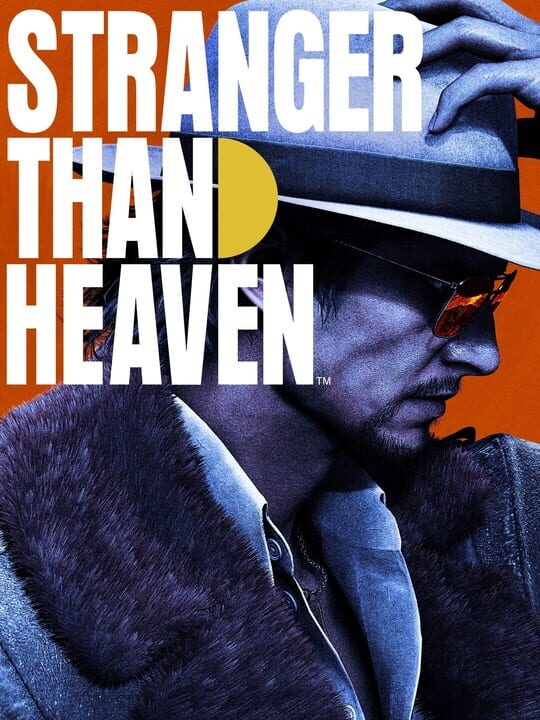
▲ Official Cover Art (Source: IGDB)
| Developer | RGG Studio |
| Key Feature | Digital Resurrection of Tupac Shakur |
| Supporting Cast | Snoop Dogg as Orpheus |
| Historical Setting | 20th Century Japan Origins |
| Genre Blend | Musical Adventure and Crime Brawler |
| Legal Oversight | Tupac Shakur Estate and Amaru Entertainment |
The Conceptual Vision Behind Stranger Than Heaven and Its Cast
The decision to include Tupac Shakur was not a standalone marketing stunt but rather a narrative evolution that began with the casting of Snoop Dogg. In Stranger Than Heaven, Snoop Dogg portrays a mysterious smuggler known as Orpheus. The developers noted that the real world relationship between these two icons was a driving force in the creative process. By including both figures, RGG Studio aims to create a dynamic that mirrors their legendary friendship, providing a layer of emotional resonance that transcends the typical cameo. This approach suggests that the game will utilize these characters not just for their fame, but as integral components of the story’s emotional core.
Furthermore, the studio is not interested in a simple 1990s era recreation of Tupac. The objective is to explore his potential future, asking how he would act and express himself if he were still alive in 2026. This thirty year jump in character development presents a unique challenge for the writers and animators, as they must speculate on the maturity and evolution of a man who has been frozen in the public consciousness since 1996. It is a bold move that shifts the focus from nostalgia to a speculative character study, integrated into the gritty atmosphere of Japanese organized crime.
The Mechanical Integration of Music and Combat in Stranger Than Heaven
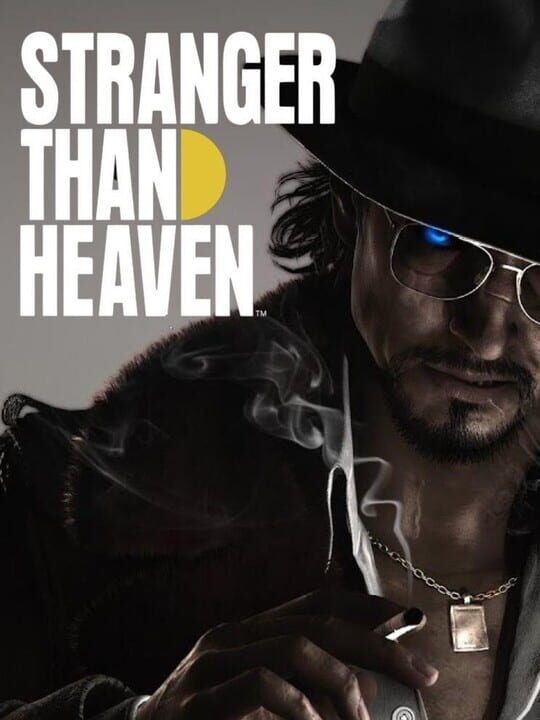
▲ Official Artwork (Source: IGDB)
Stranger Than Heaven distinguishes itself through its jazz infused aesthetic and its unique blend of traditional brawler mechanics with musical adventure elements. RGG Studio has a long history of blending high stakes drama with quirky, often surreal side content, and this title appears to be the pinnacle of that philosophy. The inclusion of figures like Bunta Sugawara alongside American hip hop legends indicates a cross cultural fusion that is rare in the industry. Players can expect the combat to reflect this rhythmic influence, potentially linking the flow of battle to the soundtrack in ways the studio has only hinted at in previous entries.
However, the narrative timeline of Stranger Than Heaven raises interesting questions about how these modern icons fit into a story set before their actual rise to fame. Since the game explores the 20th century history of Japan and the formation of the Tojo Clan, the presence of a 2026 version of Tupac suggests a narrative structure that might involve time skips, dream sequences, or a non linear storytelling approach. This complexity is exactly what fans have come to expect from the developers, who frequently subvert expectations to deliver deep, multifaceted experiences that reward player curiosity and investment in the lore.
Ethical Complexity and the Preservation of Legacy
The inclusion of a deceased artist naturally brings legal and ethical hurdles to the forefront of the conversation. RGG Studio has confirmed that they sought approval from both the likeness rights holder and the living family members of the Shakur estate. This was a necessary step given the ongoing legal tensions between different factions of the estate management. For players, this ensures that the portrayal is as respectful as possible, honoring the legacy of the artist while pushing the boundaries of what is possible with digital likeness technology. The studio’s commitment to avoiding AI voice recreation further emphasizes their desire to maintain a level of authenticity and human touch in their digital reconstructions.
Despite the controversies, the potential for Stranger Than Heaven to bridge the gap between music history and interactive entertainment is significant. By focusing on a potential future rather than a tragic past, the game offers a celebratory look at what could have been. This narrative choice might help alleviate some of the discomfort associated with digital resurrections by framing the appearance as a creative ‘what if’ scenario rather than a morbid exploitation of a person’s image. Whether this ambitious experiment succeeds will depend on how seamlessly these global icons are woven into the fabric of the Tojo Clan’s origin story.
Stranger Than Heaven represents a pivotal shift in how RGG Studio approaches celebrity likeness and narrative speculation
The decision to project Tupac Shakur into a 2026 persona within a historical Japanese setting is a high risk creative gamble. It moves beyond simple fan service by challenging the audience to engage with a version of an icon that never existed in reality. This speculative storytelling, combined with the grounded mechanics of the Tojo Clan origins, could redefine the studio’s identity for the current generation of hardware.
Final Pulse Score: 8.5 / 10
Related Article: Stranger Than Heaven Release Date and Gameplay Details
Related Article: Stranger Than Heaven Early Build Leak Analysis