
Control Resonant marks a seismic shift for the Remedyverse, stepping away from the psychological horror of recent years and plunging headfirst into a high-octane, supernatural melee brawler. While the original title was defined by its kinetic gunplay and brutalist architecture, this sequel reinvents the formula with Dylan Faden at the helm. Stepping into the shoes of the former Hiss pawn provides a drastically different perspective on the parsnatural world, as the gameplay transitions from long-range projectile tossing to visceral, up-close combat that feels both familiar and radically evolved.
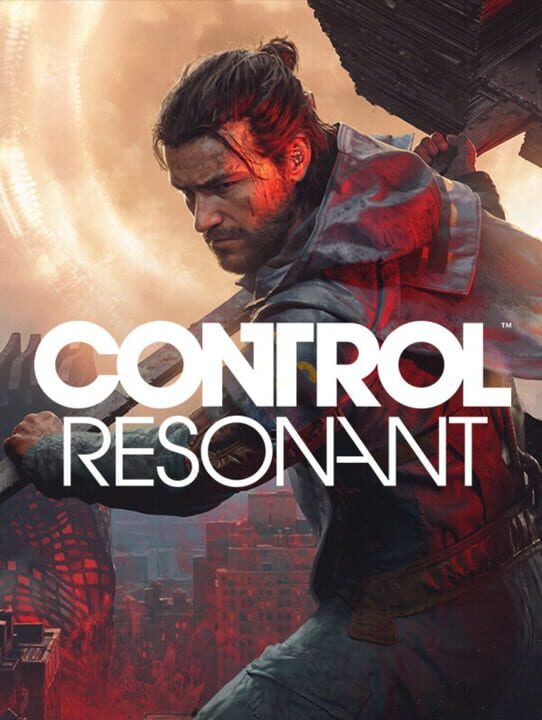
▲ Official Cover Art (Source: IGDB)
| Attribute | Detail |
| Developer | Remedy Entertainment |
| Lead Protagonist | Dylan Faden |
| Primary Weapon | The Aberrant (Shapeshifting Tool) |
| Setting | Surreal Manhattan (The Sinkhole) |
| Combat Style | Character Action / Melee Brawler |
| Release Date | September 24 2026 |
The Evolution of Combat in Control Resonant
The most striking departure in Control Resonant is the introduction of the Aberrant, a shapeshifting weapon that replaces the Service Weapon traditional firearm forms. Dylan Faden utilizes this tool to cycle through various melee configurations, including hammers, spears, and axes. Unlike his sister Jesse, who exuded a natural grace, Dylan’s movement is raw and unrefined, featuring more frantic animations that emphasize the physical toll of his newfound abilities. This change in tone is reflected in the combat pacing, which mirrors the frantic air juggles of top-tier character action games while maintaining the smooth target transitions seen in the Arkham series.
Aggression is the primary currency in this new system. Control Resonant discourages defensive camping by tied healing mechanics directly to offensive output. When Dylan defeats the twisted, flesh-warped Hiss variants, they explode into red smoke and healing orbs, forcing players to dive into the thick of the fray to survive. The tactical layer remains deep, however, as energy bursts and improvised shielding must be woven into weapon combos to manage the overwhelming crowds. It is a proactive combat loop where the player is framed as the supernatural predator rather than the prey.
A Dream Reality Version of New York City
Leaving the confines of the Oldest House for the streets of Manhattan could have diluted the series’ identity, but Control Resonant avoids this by presenting a dream-like, recursive version of the city. This is not a literal recreation of New York, but rather a manifestation of the collective subconscious influenced by classic cinema. Elements like ubiquitous phone booths—a feature that has long since vanished from the real-world city—add a layer of haunting nostalgia. The environment itself is a victim of the extradimensional threat, with city geometry merging with human elements in disturbing ways.
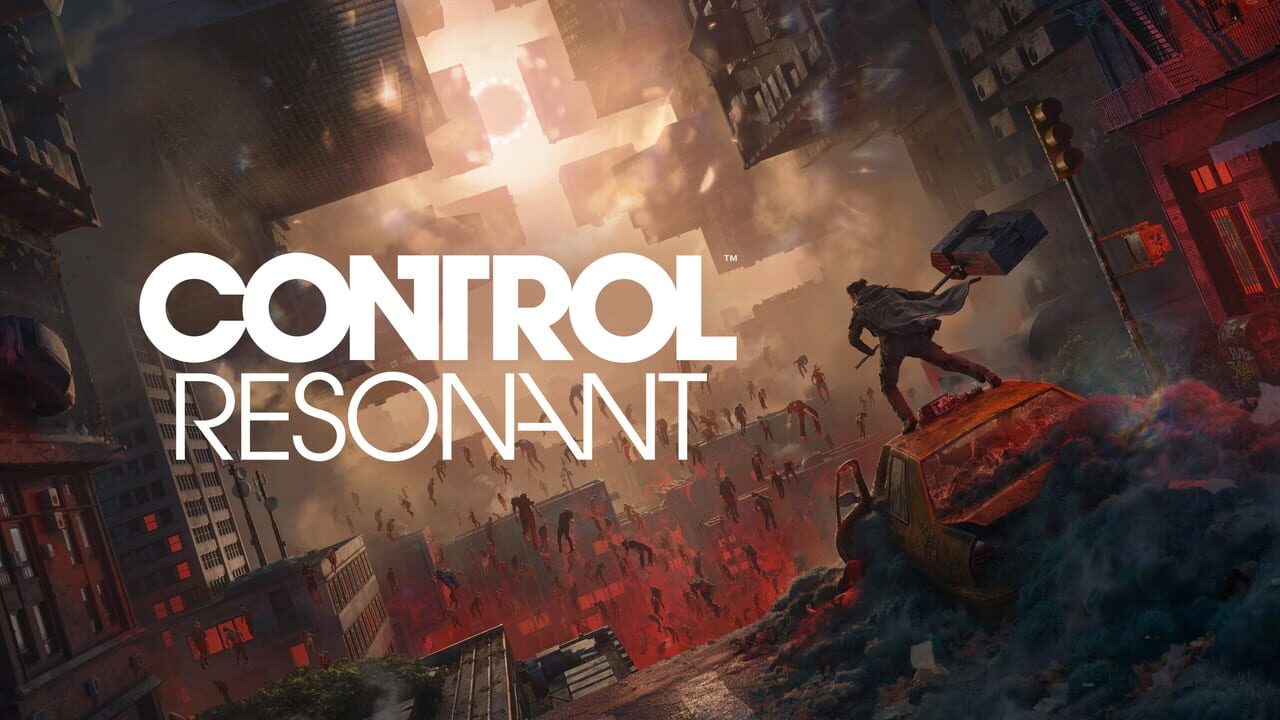
▲ Official Artwork (Source: IGDB)
Specific locations like The Sinkhole showcase the developer’s mastery of spatial distortion. Players navigate a labyrinth of interconnected apartment units that eventually spiral into massive caverns where rooms are shifted sideways and upside down. This verticality provides a perfect playground for Dylan’s levitation and dashing mechanics. The visual variety extends to the enemy design as well, moving away from human-shaped thralls toward demonic, elongated entities and massive environmental bosses, such as a possessed transit bus that integrates urban machinery into its lethal attacks.
Narrative Depth and Firewatch Influences
The narrative delivery in Control Resonant takes a surprisingly personal turn through the inclusion of a dynamic radio system. Dylan is frequently in contact with his handler, Zoe, creating a constant dialogue that helps flesh out his character. This system allows players to observe points of interest in the environment to trigger specific conversations, a mechanic clearly inspired by reactive storytelling games like Firewatch. Because Dylan has been isolated for years, his lack of real-world knowledge provides a natural hook for Zoe to explain the state of the world, while he provides insight into the inner workings of the FBC.
Control Resonant redefines the Remedyverse through aggressive melee innovation
The shift from firearms to the Aberrant weapon system represents a bold move that successfully aligns with the aggressive gameplay meta of 2026. By blending high-speed character action with the series hallmark spatial anomalies, the experience feels more visceral and immediate than its predecessor. The movie-inspired Manhattan setting provides a hauntingly beautiful backdrop that maintains the franchise unique visual identity while offering significantly more exploration depth. This sequel appears poised to satisfy both hardcore fans and newcomers looking for a mechanically rich supernatural brawler.
Final Pulse Score: 9.2 / 10
Related Article: Control Resonant Remedy Gameplay Strategy
Related Article: Marvels Wolverine Gameplay Reveal June 2026