
System Shock stands as a towering achievement in the immersive sim genre, but its journey from a 2015 announcement to its eventual 2023 release was fraught with near-fatal obstacles. While players today recognize it as a definitive reimagining of Citadel Station, the project very nearly dissolved into the digital ether during a period of intense financial instability. Looking back from our current 2026 perspective, it is clear that the game only exists because of a small group of internal rebels who refused to let the vision die when the traditional development path reached a dead end. This was not merely a case of delays, but a fundamental battle for the survival of a classic IP that had been dormant for decades.
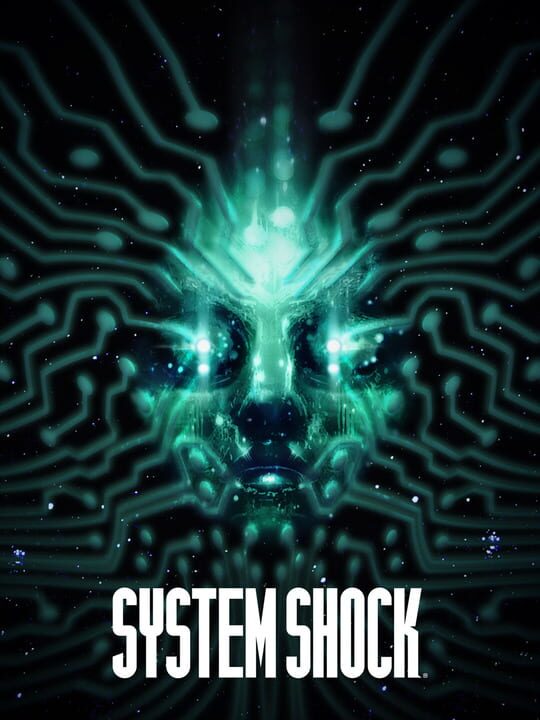
▲ Official Cover Art (Source: IGDB)
| Attribute | Detail |
| Original Project Goal | High Definition Remaster |
| Release Date | May 30, 2023 |
| Development Engine | Unreal Engine 4 |
| Crisis Point | 2018 Funding Depletion |
| Core Setting | Citadel Station |
| Development Duration | 8 Years Total |
The 2018 Financial Collapse and the Rise of La Resistance
By the middle of 2018, the development of the System Shock remake had reached a breaking point that few outside the studio fully grasped at the time. After years of shifting directions and attempts to secure external publisher interest, the project officially ran out of money. The internal atmosphere was one of devastation, as the dream of reviving SHODAN seemed to be slipping away due to what some team members described as an excessive focus on selling the game rather than building it. This period of wheel-spinning led to a total halt in official progress, leaving the future of the franchise in a state of absolute peril.
However, instead of moving on to other projects, a core group of dedicated developers formed a clandestine Discord group known as La Resistance. This small band of guerilla creators operated with a single-minded goal: to ensure the game reached the hands of players regardless of the corporate hurdles. This internal rebellion was fueled by a deep-seated passion for the immersive sim legacy, proving that the most resilient games are often those born from personal conviction rather than just commercial directives. Their refusal to abandon the station during the 2018 blackout provided the necessary bridge to the eventual restructuring that saved the project.
System Shock Mechanical Shifts and the Unreal Engine Transition
One of the most significant challenges during this period of uncertainty was the technical transition required to modernize the experience. The task of rebuilding Citadel Station fell onto developers who had to master Unreal Engine 4 on the fly, often relying on self-taught tutorials and community resources to get a foot in the door. This was not just a visual upgrade but a fundamental reimagining of how a space station should function in a modern 3D environment. The original game relied on abstract geometry that frequently defied the laws of physics, such as paper-thin doors and staircases that occupied mathematically impossible spaces.
▲ Official Artwork (Source: IGDB)
The transition to a modern engine forced the team to implement physical realism that significantly altered the gameplay feel. The new Citadel Station features a much more spaced-out architecture, incorporating actual physical depth to walls and functional staircases that make sense in a tangible reality. While these changes were necessary for the engine to function, they also enhanced the player experience by making the environment feel like a lived-in, albeit corrupted, location. This meticulous attention to structural logic is what separates the System Shock remake from a standard remaster, providing a level of immersion that matches the high standards of the current 2026 gaming landscape.
Structural Comparison and Cultural Value Analysis
Analyzing the remake from a design perspective reveals how the developers balanced nostalgic loyalty with the demands of a modern user interface. The UI in the 2023 version was streamlined to remove the clutter of the 1994 original while retaining the tactile, analog feel of interacting with high-tech machinery. For the player, this means the meta-game of inventory management and hacking feels rewarding rather than chore-like. The rebels who saved the project understood that the core appeal of the franchise lay in its atmosphere and the looming presence of SHODAN, and they prioritized those elements even when the budget was non-existent.
Culturally, the survival of this project signaled a shift in how mid-sized studios handle legacy IPs. In an era where large-scale productions are often risk-averse, the story of this remake serves as a reminder that small, dedicated teams can still produce industry-defining work through sheer persistence. The fact that we are still discussing the nuances of Citadel Station in 2026 is a testament to the quality achieved during those difficult years of guerilla development. It remains a gold standard for how to handle a classic property with both reverence and necessary innovation.
The perseverance behind the System Shock development cycle redefined the modern immersive sim
The success of the 2023 release was not an accident of timing but the result of a deliberate technical pivot to Unreal Engine 4 by a team that refused to accept a 2018 cancellation. By prioritizing physical realism and structural logic over the abstract limitations of the 1990s, the developers created a template for future remakes. This analytical look at their struggle reveals that the most impactful gameplay innovations often arise from the constraints of a project that has everything to lose.
Final Pulse Score: 9.2 / 10