
Stranger Than Heaven is poised to be the most significant mechanical shift for RGG Studio since the transition to turn-based RPG systems. This upcoming prequel moves away from the traditional button-mashing brawling found in the Kazama Kiryu era, opting instead for a technical, high-stakes combat engine that demands precision and tactical awareness. Players taking on the role of Makoto Daito will find that every street encounter is a life-or-death struggle, representing a grounded evolution of the studio’s signature urban combat. By abandoning the familiar safety of energy-drink-fueled heat gauges for a more deliberate control scheme, the developers are challenging veterans to unlearn decades of muscle memory.
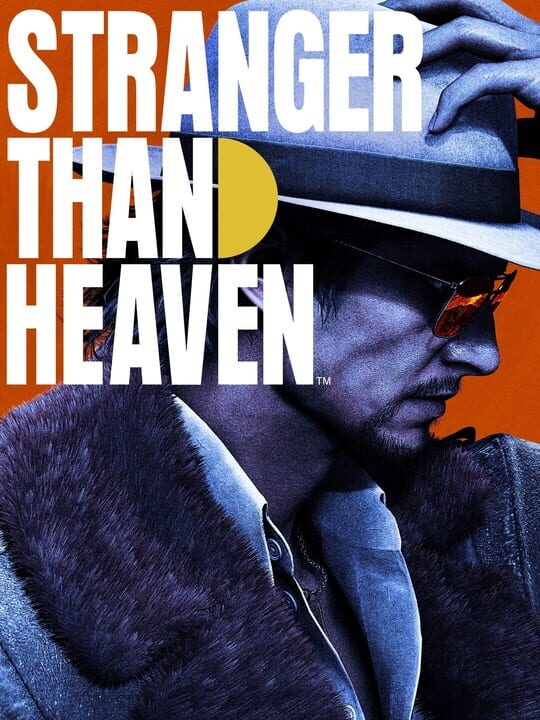
▲ Official Cover Art (Source: IGDB)
| Developer | RGG Studio |
| Release Window | January 2027 |
| Protagonist | Makoto Daito |
| Time Period | 1915 to 1965 |
| Platform | PlayStation 5, Xbox Series X/S, PC |
| Combat Style | Technical Real-Time Brawler |
The Puppeteer Combat System of Stranger Than Heaven
The core of the Stranger Than Heaven experience lies in its overhauled scrapping mechanics, which utilize a unique puppeteer-style control scheme. Unlike previous installments where a single button might trigger a flurry of blows, this new system maps the four shoulder buttons to the left and right fists of Makoto Daito. This allows for an unprecedented level of control over individual strikes, but it also introduces a steep learning curve that requires players to manually alternate punches and time parries with extreme accuracy. The weight of each blow feels significantly more impactful, making the act of clearing a group of thugs feel like a genuine accomplishment rather than a routine obstacle.
This increased difficulty serves the narrative well, reflecting the raw and unpolished nature of street fighting in the early 20th century. During hands-on sessions, the combat revealed a deep level of interactivity; for instance, if an enemy attempts to seize a weapon like a crowbar, players still maintain full control over their free hand. This allows for desperate, tactical maneuvers such as throwing jabs while engaged in a tug-of-war over a weapon. While the current soft lock-on system still requires some refinement to prevent players from swinging into empty air, the foundation of a more realistic and grounded melee system is undeniably present and represents the most exciting shift in the series fighting formula in years.
Historical Evolution and World Design
Stranger Than Heaven stands out not just for its combat, but for its ambitious chronological scope. Spanning the years from 1915 to 1965, the game covers five decades of Japanese history across five different city settings. This setting presents a unique challenge for the developers, as traditional modern distractions like arcade centers or digital gadgets are replaced by period-appropriate activities. Players can expect to engage in old-school arm wrestling and potentially explore the early days of electromechanical amusements as the timeline progresses toward the mid-1960s. The shift in time isn’t just a background detail; it influences the very tools and mini-games available to the player.
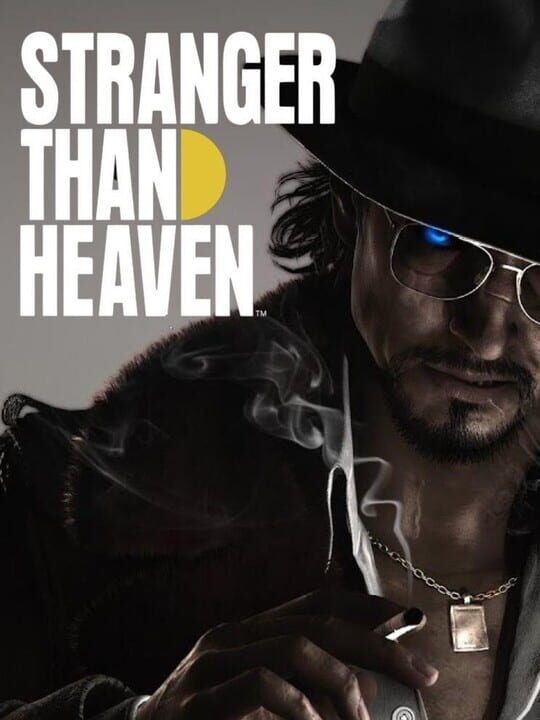
▲ Official Artwork (Source: IGDB)
One of the most intriguing additions is the audio-recording feature, which allows Makoto to capture environmental sound samples and transform them into musical compositions. This suggests a move toward more interactive and immersive world-building compared to the legacy karaoke systems of the past. However, the game is not without its eccentricities. The inclusion of celebrity figures like Snoop Dogg and a digital resurrection of Tupac within a 2027-set context has sparked significant discussion. While these celebrity appearances have become a hallmark of the studio, their implementation in a story so rooted in historical realism creates a strange juxtaposition that may polarize long-term fans.
Stranger Than Heaven redefines the cost of victory in urban brawlers.
The shift to a manual left-right limb control system suggests that RGG Studio is finally addressing the mechanical stagnation of their non-turn-based titles. By making every encounter a high-stakes duel, they are pivoting toward a player-skill-dependent meta that values timing over stat-checking. This realism, combined with a half-century-spanning narrative, positions the title as a bold reset for a franchise that has occasionally leaned too heavily on its own established tropes.
Final Pulse Score: 8.8 / 10
Related Article: Stranger Than Heaven Release Date and Gameplay Analysis
Related Article: Stranger Than Heaven Tupac Inclusion Analysis