
Ultima remains one of the most influential names in the history of roleplaying games and its future is currently caught in a fascinating tug of war between corporate trademarking and creator rights. While the series has remained relatively quiet since the launch of spiritual successors like Underworld Ascendant nearly eight years ago, recent movement suggests that a major shift is on the horizon. As of June 2026, new legal filings have surfaced indicating that the ownership structure of the franchise is about to enter a volatile period that could lead to a massive revival led by its original visionary.
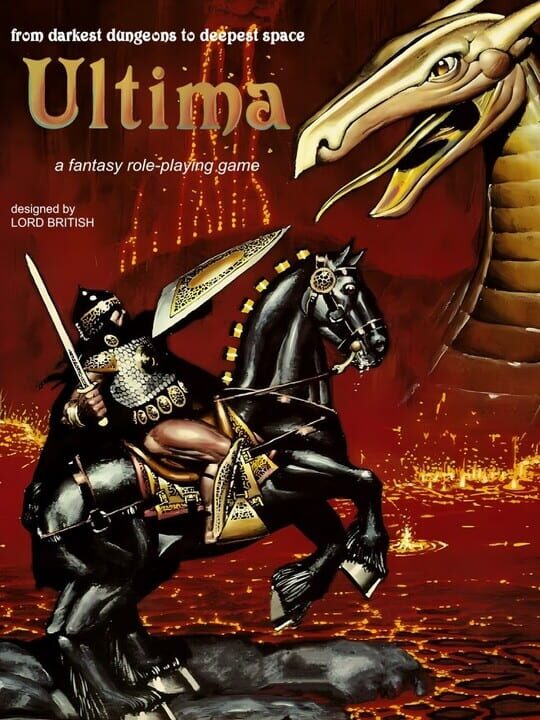
▲ Official Cover Art (Source: IGDB)
| Attribute | Ultima Legal Status Analysis |
| Trademark Activity | Renewed by Electronic Arts in June 2026 |
| Copyright Reclamation | Eligible for Creator Return in 2027 |
| Lead Figure | Richard Lord British Garriott |
| Proposed Title | Lord British’s Ultima |
The Ultima Copyright Countdown and the Thirty Five Year Rule
The core of this developing situation lies in a specific provision of United States copyright law that allows creators to reclaim their works after a period of 35 years. Electronic Arts originally acquired the rights to the series from its creator back in 1992. Based on this chronological framework, the year 2027 marks the critical juncture where the copyright for the original works can legally revert to the author. This mechanism is designed to protect creators from eternal contracts, and it appears the time has finally come for the architect of Britannia to make his move.
For decades, the series creator has attempted to collaborate with the current rights holders to breathe new life into the franchise. These discussions often began with promise but ultimately stalled, leaving the legendary RPG series in a state of stasis. Now, rather than waiting for corporate approval, the creator is positioning himself to seize control of the underlying source code and audiovisual elements that define the early era of the series. This move signifies a bold step toward independence and a potential new chapter for hardcore fans who have waited years for an authentic return to the roots of the genre.
Navigating the Trademark Trap for the Future of Ultima
While the reclamation of copyright is a powerful tool, it does not grant total control over the brand name. The distinction between copyright and trademark is where the future of Ultima becomes legally complex. Electronic Arts has recently filed new trademarks for the name, ensuring they maintain control over the branding and specific recognizable characters. This creates a scenario where the creator may own the mechanical and artistic soul of the original games but cannot officially market a product under the standalone title without corporate consent.
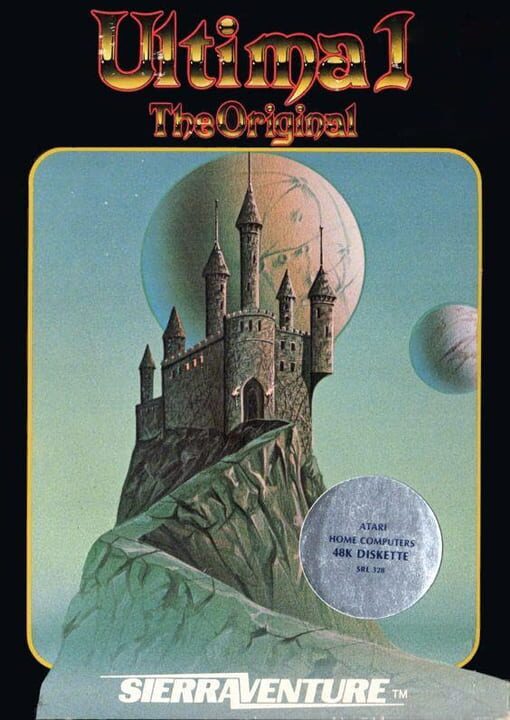
▲ Official Artwork (Source: IGDB)
To circumvent this hurdle, the potential for a new project titled Lord British’s Ultima has been discussed. By focusing on the creator’s famous persona, the project can maintain a direct link to its heritage while navigating the minefield of trademark law. This strategy is reminiscent of how other legendary developers have handled spiritual successors, yet it carries more weight here because the actual copyright of the original work would be back in the hands of the man who started it all. The industry is watching closely to see how these two entities will coexist or clash as the 2027 deadline approaches.
What This Rights Shift Means for the RPG Meta
For the player, this legal maneuvering is more than just paperwork; it represents the potential for a fundamental shift in RPG design philosophy. Modern RPGs have evolved significantly on platforms like the PlayStation 5 Pro and Xbox Series X, but many veterans feel the deep, systemic complexity of the original games has been lost in favor of accessibility. A creator-led revival could bring back the uncompromising simulation elements and player agency that made the series a pioneer of the genre. If the copyright returns to its origin, we could see high-fidelity remakes or sequels that prioritize the original vision over market-tested corporate formulas.
Furthermore, the creator is expected to provide more concrete details about the future of the series during an appearance at Dragon Con later this year. This event will likely serve as the first major update on how the transition in 2027 will affect actual game development. Whether we see a collaborative effort between the two parties or a split where two different versions of the franchise exist simultaneously, the next few years will be the most active the series has seen in over three decades. For those who value the history of gaming, the return of such a foundational pillar is a moment of immense significance.
The Ultima rights battle represents a landmark case for creator autonomy in the digital age
The tension between EA’s brand preservation and Garriott’s desire to reclaim his legacy will likely set a precedent for other franchises from the early 90s. As we approach 2027, the industry must prepare for a scenario where source code ownership and brand naming are decoupled, potentially leading to a dual-market where corporate sequels and creator-led originals compete for the same audience’s attention and loyalty.
Final Pulse Score: 8.5 / 10