
Ghost of Yotei is driving an unprecedented tourism boom in Japan’s northern wilderness, mirroring the remarkable cultural phenomenon established by its beloved predecessor. The critically acclaimed Sucker Punch Productions title has successfully transitioned from a digital masterpiece into a tangible economic driver for the communities surrounding Mount Yotei in Hokkaido. Players who spent countless hours traversing the beautifully rendered 17th-century landscape are now looking to step foot on the actual soil that inspired the game. This real-world crossover highlights the immense power of modern interactive media to shape international cultural tourism and revitalize regional craft economies.

▲ Official Cover Art (Source: IGDB)
| Attribute | Detail |
|---|---|
| Regional Focus | Mount Yotei region, Hokkaido, Japan |
| Collaborating Municipalities | Niseko, Kutchan, and five surrounding towns |
| Official Collaborations | Local timber crafts, regional tour planning |
| Developer | Sucker Punch Productions |
| Platform Availability | PlayStation 5 |
The Real World Legacy of Ghost of Yotei
The remarkable real-world transition initiated by Ghost of Yotei reflects a growing global trend where virtual landscapes dictate physical travel itineraries. Following the groundbreaking precedent set by the 2020 release of Ghost of Tsushima, where dedicated fans raised substantial funds to rebuild historical local shrines, Hokkaido’s regional authorities are actively preparing for an influx of passionate travelers. Seven distinct towns and villages clustered around Mount Yotei, including Niseko and Kutchan, are organizing collaborative campaigns to offer authentic cultural experiences. Local enterprises are capitalizing on this unique gamer interest by bridging the gap between historical simulation and modern exploration.
Rather than relying solely on generic tourism marketing, the town of Niseko has established strategic partnerships to license official Ghost of Yotei merchandise directly. This initiative features unique physical items made directly from Hokkaido-grown timber, such as custom pins and wooden magnets manufactured by regional craft shops. For players, purchasing these locally sourced items provides a tangible, high-quality connection to the digital environment they explored on their consoles. This direct monetization of game-inspired artistry ensures that local communities receive immediate financial benefits from the global success of the interactive property.
Crafting Authenticity and Experiential Tours in Ghost of Yotei
The strategy to translate the aesthetic beauty of Ghost of Yotei into physical tourism experiences relies heavily on historical and environmental authenticity. Local planning committees are preparing specialized travel itineraries that guide visitors through physical landmarks that closely mirror the game’s iconic vistas and historical settings. By showcasing the region across different seasons, local planners aim to demonstrate how the changing environment influences both the virtual narrative and the real-life landscape. This experiential approach allows players to appreciate the natural beauty of Hokkaido far beyond the winter ski season for which the region is traditionally famous.
The profound impact of these gaming journeys is best understood through the lens of player emotional investment. When players spend dozens of hours engaging with a deeply atmospheric world, their emotional connection to the physical setting naturally intensifies. The previous title saw creative directors appointed as permanent tourism ambassadors, illustrating how deeply gaming narratives can intertwine with real-world regional administration. For the Mount Yotei region, this represents an unprecedented opportunity to diversify its tourism sector and build a sustainable travel economy powered entirely by passionate gaming communities.
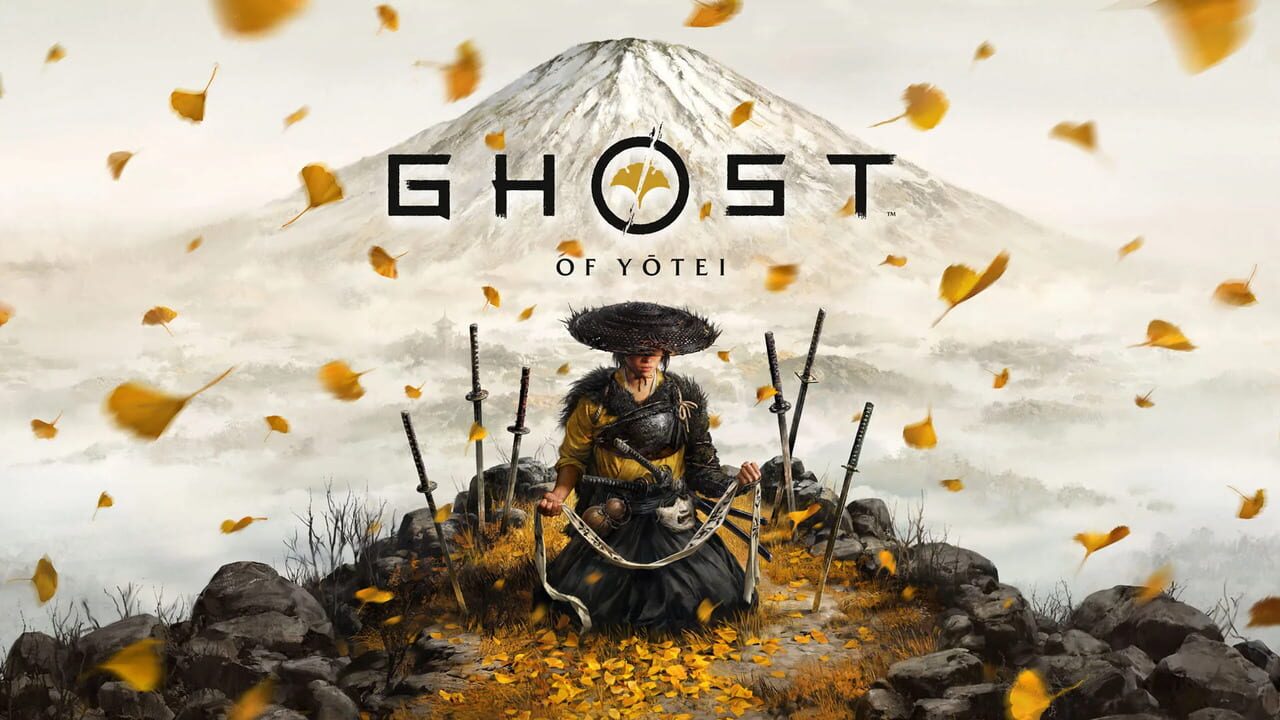
▲ Official Artwork (Source: IGDB)
How Ghost of Yotei Redefines Virtual Tourism and Regional Economy
The intersection of digital landscape design and real-world regional planning represents a massive shift in how gaming communities interact with historical settings. By leveraging high-fidelity virtual environments, local Japanese municipalities are successfully transforming digital engagement into sustainable local commerce. Players are no longer just passive consumers of interactive media; they are active patrons of the physical locations that inspire their favorite adventures. This symbiotic relationship sets a powerful blueprint for future open-world titles looking to make a lasting cultural footprint.
Final Pulse Score: 9.2 / 10