
Thief The Dark Project Remastered is officially setting a new benchmark for retro preservation by welcoming back one of the core creative minds behind the 1998 classic. Restoration specialists Nightdive Studios confirmed that Daniel Thron, the original cinematic artist, animator, and voice actor, has joined the project to oversee the modernization of the game’s iconic cutscenes. This move addresses one of the most delicate challenges of remastering classic titles, ensuring that the distinctive visual identity of the legendary stealth game is preserved rather than replaced. Fans of the franchise can expect a faithful yet visually stunning translation of the classic cinematic atmosphere for modern gaming setups.
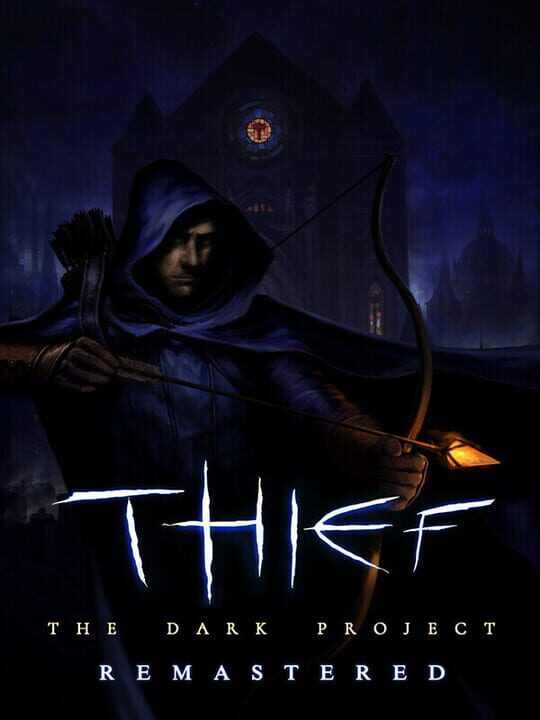
▲ Official Cover Art (Source: IGDB)
| Developer | Nightdive Studios |
| Key Creative Lead | Daniel Thron (Original Artist & Animator) |
| Target Display Specs | 4K Resolution with Smoother Animation |
| Legacy Cutscene Specs | 320×240 Resolution at 15 FPS |
| Expected Launch Window | This Winter (Late 2026 to Early 2027) |
The Heritage of Looking Glass Studios and Dark Engine
The original 1998 release of Thief was defined by its incredibly thick atmosphere, driven largely by its unique 2D-animated cutscenes and parchment-style briefing screens. These sequences, originally directed and animated by Daniel Thron alongside artists Robb Waters and Mark Lizotte, carved out a dark, industrial medieval aesthetic that has never quite been matched. Looking Glass Studios famously operated with tight budgets, which led to developers pulling double duty as voice actors; Thron himself voiced several prominent characters, adding a deeply personal layer of craftsmanship to the game’s dark fantasy world.
However, running these legacy files on modern systems has historically been a jarring experience. While the game itself ran at 480p, the cinematic cutscenes were compressed down to an incredibly low resolution of 320×240 at a choppy 15 frames per second. For decades, players relying on modern monitors had to endure blurry, pixelated videos or resort to community-made upscaling mods that often lacked the artistic nuances of the original design. Bringing the original creator back ensures that the transition to modern displays respects the source material’s artistic intent.
Rebuilding Thief The Dark Project Remastered Cutscenes in 4K
The decision to bring Daniel Thron back to work on Thief The Dark Project Remastered ensures that the modern remastering process avoids the common pitfalls of automated upscaling. The development team at Nightdive Studios confirmed that the objective is to make the cinematics look exactly the same but in native 4K resolution with much smoother animation. By utilizing Thron’s first-hand artistic direction, the studio can bypass the artificial artifacts and smeared textures that often result from standard AI upscaling techniques, a design philosophy that previously proved highly successful during their work on the System Shock 2 remaster.
This hands-on, human-centric approach is vital for restoring the parchment-illustration motion graphics and high-contrast shadow work that define the game’s identity. During a recent episode of the Nightdive’s Deep Dive podcast, the team expressed immense confidence that even the most hardcore purists will be delighted with the results. With Thron directing the visual update, the remastered cinematic briefs will seamlessly bridge the gap between late-nineties charm and modern visual clarity without losing their historical soul.
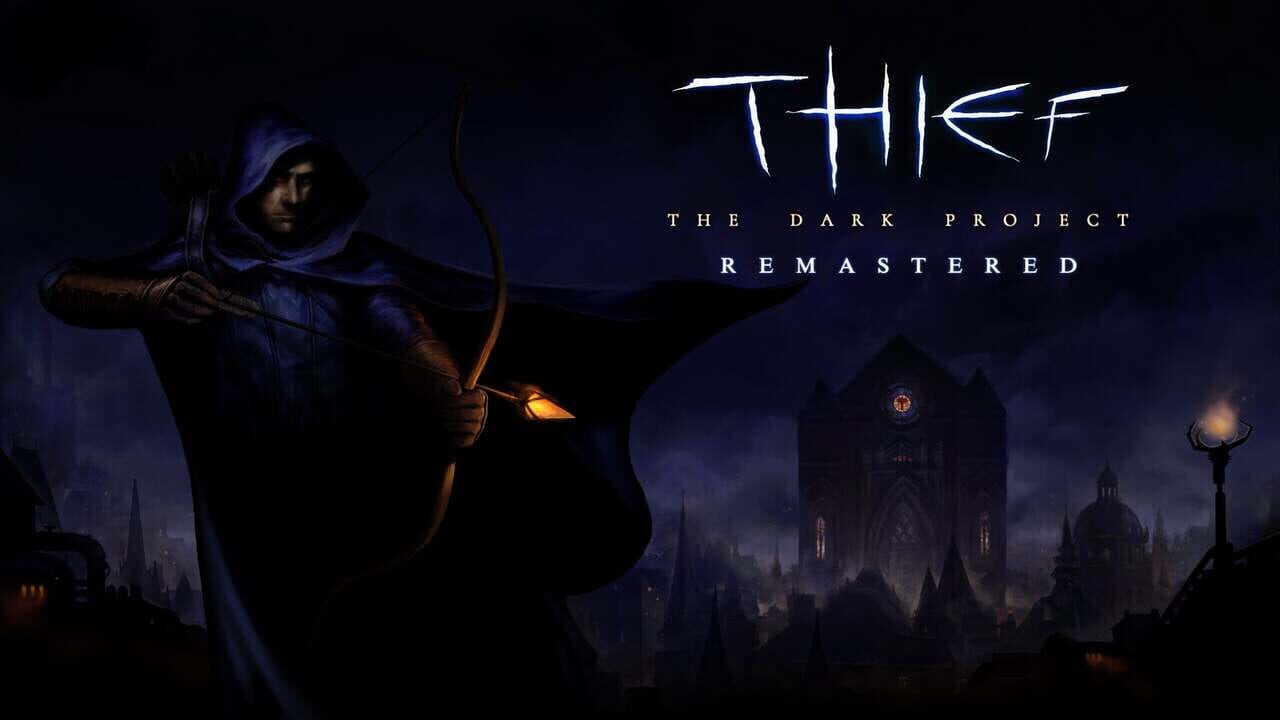
▲ Official Artwork (Source: IGDB)
Atmospheric Integrity and the Role of Pure Artistry
In stealth-action games, atmospheric storytelling is not just a cosmetic feature; it directly impacts how players engage with the world. The briefing sequences in Thief were crucial gameplay elements, featuring the dry, cynical narration of Garrett, voiced by Stephen Russell, alongside cryptic illustrations that hinted at guard patrols, hidden pathways, and loot locations. Preserving the exact cadence, dark tone, and subtle visual cues of these sequences is essential to maintaining the tactical tension of the gameplay. By avoiding automated filters and choosing manual restoration, the developers are actively protecting the ludonarrative harmony of the title.
This dedicated preservation work is precisely what makes Thief The Dark Project Remastered one of the most anticipated releases of the upcoming winter season. Gamers who value historical accuracy in remasters have grown weary of projects that erase the original aesthetic in favor of sterile, modern lighting. Nightdive’s methodology highlights a growing trend in the industry where original creators are brought back to curate their own legacies, ensuring that the original game’s artistic voice is amplified rather than silenced by modern technology.
What This Means for the Retro Gaming Landscape
As we head toward the winter release of Thief The Dark Project Remastered, this collaboration serves as a blueprint for the entire remastering industry. It highlights the reality that high resolutions alone do not make a great remaster; instead, it is the careful calibration of art direction, frame pacing, and respect for legacy limitations. For players who have waited nearly three decades to sneak through the shadows of The City once again, the return of Daniel Thron guarantees that the journey will feel exactly as they remember it, only beautifully realized for modern displays.
Restoration over replacement defines the soul of Thief The Dark Project Remastered
By rejecting lazy AI filters and rehiring the original architect of the game’s visual identity, Nightdive proves that game preservation is an art form. This collaboration ensures that the grim, atmospheric cinematography remains uncompromised on modern 4K displays. It sets a brilliant precedent for how studios should handle delicate legacy assets without erasing their historical texture.
Final Pulse Score: 9.3 / 10