
The Godot game engine is taking a decisive stand against the rise of automated coding tools by officially banning AI-authored contributions to its open-source codebase. For gamers and developers alike, this structural shift directly affects the stability of the software powering highly anticipated titles such as Slay the Spire 2 and The Case of the Golden Idol. The decision comes after months of escalating frustration among the platform core maintainers, who have found themselves overwhelmed by low-quality, AI-generated pull requests. By drawing this line in the sand, the creators of the engine aim to safeguard the health of their community and the integrity of the games built upon their framework.
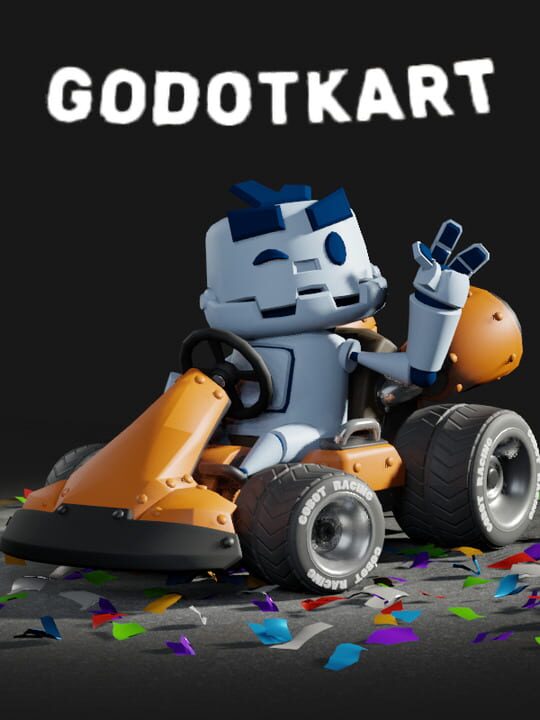
▲ Official Cover Art (Source: IGDB)
| Engine Name | Godot |
| Policy Update | AI-authored code and PR agents strictly forbidden |
| Announcement Date | 2026 Policy Revision |
| Affected Games | Slay the Spire 2, The Case of the Golden Idol |
| Primary Reason | Maintainer fatigue and lack of accountability in AI code |
Analyzing the Changes to the Godot Contribution Guidelines
For any gaming ecosystem, the underlying game engine is the foundation of every physics calculation, frame render, and gameplay mechanic. When the Godot foundation saw an influx of automated pull requests earlier this year, the initial optimism of increased community interest quickly soured. The maintainers revealed that reviewing these artificial contributions had become incredibly draining and demoralizing, threatening the long-term viability of the engine update cycle. Unlike human programmers who learn from feedback and grow into future core developers, AI engines do not absorb criticism to become better community members.
According to the newly released blog post, the guidelines will soon explicitly forbid AI-authored code and pull requests submitted by automated agents. The Godot Foundation emphasizes that this dynamic makes it virtually impossible to justify the tedious work of pull request reviews when human hours are wasted on machine-generated output. Without human accountability, the pipeline of nurturing new programmers into expert maintainers collapses, threatening the development speed of the very tools gamers rely on.
How the Community Reacted to the Anti-AI Mandate
Gamers often overlook the direct link between engine development pipelines and the optimization of their favorite titles. When an engine like Godot is flooded with unverified code, the risk of introducing critical engine-level bugs increases exponentially. By requiring all contributions to come from human developers who can actively debug and take responsibility for their work, the community achieves a much more stable environment. This means fewer game-breaking crashes, better CPU utilization, and more reliable console ports for players who enjoy indie hits.
Under the newly announced guidelines, the Godot Foundation will soon reject all AI-authored code and pull requests submitted by automated agents. Even human-to-human communications containing AI-generated text will be filtered out to preserve genuine collaborative respect, though machine translations of human-written text remain acceptable. This conservative approach to technology ensures that the engine core architecture remains clean, predictable, and highly optimized for complex mechanics.
The Long-Term Impact on Game Stability and Core Engine Updates
The decision highlights a growing pushback across the software industry against the indiscriminate use of generative tools. While developers are still permitted to use AI assistance for menial tasks, they must fully disclose its use and remain entirely accountable for the final code. This maintains a high standard of quality control that directly translates to smoother gameplay experiences. Ultimately, a game engine is only as strong as its community, and prioritizing human intelligence ensures that Godot will continue to thrive as a premier platform for innovative indie developers.
Godot defends human-centric development to secure the future of indie gaming
By banning AI-generated contributions, the Godot team is protecting the engine from unstable code and maintainer burnout. This structural defense directly benefits players by ensuring that upcoming titles are built on a rock-solid, human-verified foundation. Ultimately, human accountability is the secret ingredient that keeps game optimization high and bugs low.
Final Pulse Score: 9.0 / 10