
Peak remains one of the most successful climbing simulators to hit the PC market in recent memory, but its recent community friction serves as a stark reminder of the toxic expectations currently brewing in the gaming world. Originally a game jam project that blossomed into a massive multiplayer hit with over two million copies sold, the title has provided dozens of hours of entertainment for a fraction of the price of a standard AAA release. Despite this, a vocal segment of the player base has begun demanding a never-ending stream of content, treating the indie darling as if it were a multi-billion dollar live-service platform.
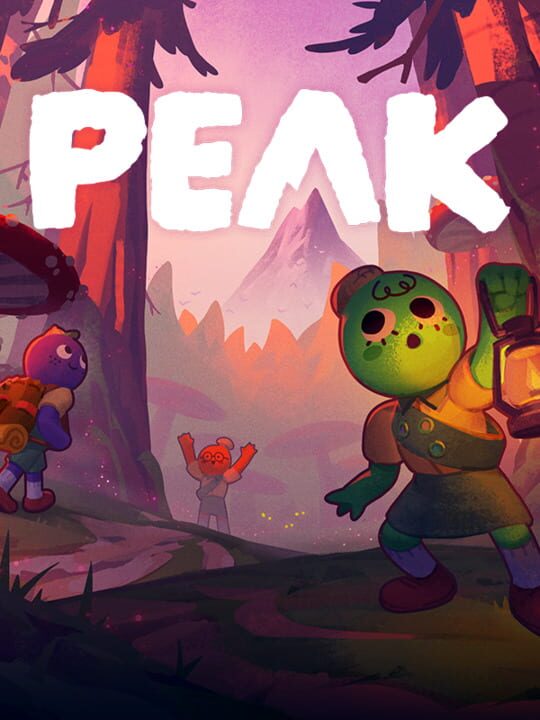
▲ Official Cover Art (Source: IGDB)
| Feature | Details |
|---|---|
| Game Title | Peak |
| Developers | Landfall / Aggro Crab |
| Standard Price | $8 USD |
| Update History | 3 Major Updates, 30+ Patches, 9 Hotfixes |
| Recent Mechanic | Custom Settings & Grapple Mode |
The Peak Update Dilemma: When Content Becomes a Burden
The controversy ignited when players took to social media to label the development cycle as lazy, despite the fact that the small teams at Landfall and Aggro Crab have delivered more post-launch support than many premium titles. Peak was never marketed as a perpetual ecosystem; it was designed as a tight, high-stakes climbing experience meant to be conquered and enjoyed. The developers recently added a suite of custom settings, allowing players to tweak their runs with modifiers like the hilariously named Grapple Mode (stupid), yet even these additions failed to satisfy those hunting for infinite replayability.
Landfall responded with a firm reality check, stating that neither they nor Aggro Crab are live-service studios and that any update to the game should be viewed as a bonus rather than an inherent right. This pushback is a necessary defense of the indie development model, where teams often move between projects to maintain creative health and financial stability. For a game that costs less than a lunch special, the sheer volume of 30 patches and nine hotfixes since launch represents an incredible level of dedication to the user experience.
Navigating the Indie Meta in a Post-Live-Service World

▲ Official Artwork (Source: IGDB)
Understanding why Peak resonates so well requires looking at the gameplay loop itself, which focuses on physics-based precision and cooperative frustration. The developers have worked tirelessly to balance the meta, ensuring that the climbing mechanics remain challenging but fair across various biomes, including the haunting Roots area. By introducing custom settings, they have essentially handed the keys to the community, allowing players to define their own difficulty and style, which is often the final stage of a healthy indie lifecycle before the team moves on to new ventures.
The pressure on small teams to act like massive corporations is a dangerous trend that Landfall is actively resisting. The studio admitted to being stretched thin during their busiest year ever, which included working on Peak, Haste, and various console ports like TABS: Pocket Edition. This transparency is refreshing in an industry that often hides developer burnout behind corporate PR speak. By winding down development on this project, the team ensures they have the resources to innovate on their next title rather than slowly bleeding out resources on a game that is already feature-complete.
Pulse Gaming Perspective: Peak Proves Quality Trumps Quantity
The demand for infinite content at an $8 price point is unsustainable and harms the very developers who create the unique experiences we love. Peak is a finished product that has received exemplary post-launch care, and it is time for the community to celebrate what is there rather than mourning what isn’t.
As the industry moves deeper into 2026, the conversation around developer boundaries will only grow louder. You can find more details on the official stance via the original report regarding the studio’s comments. It is vital for players to recognize that the value of a game is not measured by its update frequency, but by the quality of the hours spent within its world. Peak has provided those hours in spades, and its legacy should be one of triumph, not entitlement.
Ultimately, the developers are choosing the path of sustainability over the treadmill of constant content. This ensures that while this mountain may have a summit, the next one they build will be just as rewarding to climb. We should respect the boundaries of small studios who prioritize their well-being and the integrity of their games over the demands of a vocal minority.
Final Pulse Score: 9.0 / 10