
Terra Invicta is officially expanding its massive, slow-burn alien invasion simulation with the newly announced Dark Skies expansion pack. This marks the very first major DLC package for the complex grand strategy game, developed by Pavonis Interactive and published by Hooded Horse. Scheduled for release on July 27th, the upcoming expansion introduces two highly distinct starting scenarios that aim to test players under drastically altered geopolitical circumstances. From a retro-themed early noughties timeline to a post-apocalyptic nuclear winter, these campaigns reshape how players will defend Earth from an incoming extra-terrestrial threat.
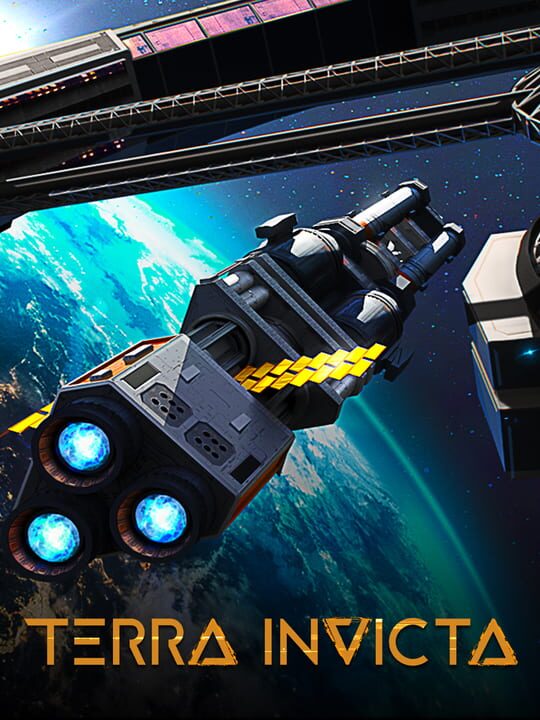
▲ Official Cover Art (Source: IGDB)
| Developer | Pavonis Interactive |
| Publisher | Hooded Horse |
| Expansion Title | Dark Skies |
| Release Date | July 27th |
| Available Platforms | Steam, GOG, Epic Games Store, Microsoft Store |
Redefining the Worldview of Terra Invicta
The Dark Skies DLC radically shifts the timeline of the alien invasion to offer two wildly divergent historical settings. The first scenario transports players back to the year 2003, set amidst the geopolitical tension of the United States-led war in Iraq. This retrospective setting provides players with twenty additional years to prepare for the arrival of the main alien armada. However, this extra time comes with a massive political hurdle: in 2003, the global population is highly skeptical of extra-terrestrial life. Managing public perception while quietly dealing with covert alien infiltrators and human traitors will force players to adopt a much more subtle, slow-burning strategy on Earth before they can even think about militarizing space.
The second scenario, titled Broken Earth, delivers a harsh, post-apocalyptic alternative reality. In this timeline, the Cuban Missile Crisis escalated into a full-scale nuclear war, leaving the globe fractured and devastated a century later. Instead of dealing with modern, unified nation-states, players must guide fragmented, unique polities that have emerged from the ashes of the old world. This scenario completely upends the traditional geopolitical meta of Terra Invicta, forcing players to rebuild human civilization while simultaneously preparing for an impending alien invasion.
New Systems Visual Customization and Hard Science Fiction Aesthetics in Terra Invicta
Beyond the heavy thematic changes of the scenarios, the expansion introduces substantial additions to the ship customization features. Players can expect two new distinct visual styles for their spacefleets. One style draws direct inspiration from real-world NASA engineering designs, emphasizing realistic space-flight components. The other option leans heavily into industrial hard science-fiction aesthetics, giving human warships a rugged, heavy-machinery look. These visual upgrades provide much-needed aesthetic variety to the space combat and fleet management portions of the game, allowing players to customize their defensive armadas to match their preferred sci-fi fantasy.
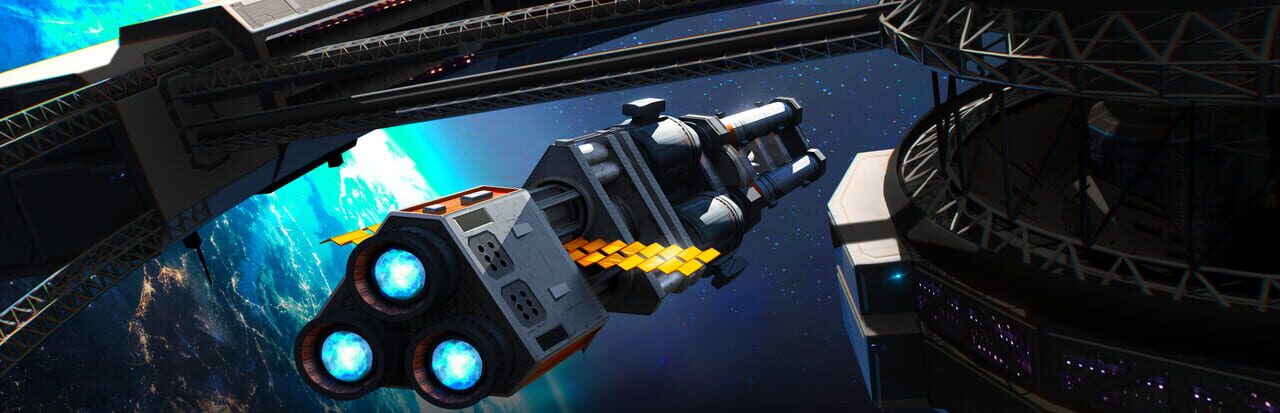
▲ Official Artwork (Source: IGDB)
Player Expectations and Gameplay Impact
The introduction of these scenarios is expected to breathe new life into the challenging gameplay loop that Terra Invicta is known for. Long-time players who have mastered the standard modern-day starting scenario will find their established build orders and geopolitical strategies thoroughly disrupted. In the 2003 scenario, the slower progression of research and heightened public skepticism will demand a heavy emphasis on espionage and covert operations. Conversely, the Broken Earth scenario will challenge players with resource scarcity and fragmented international relations, making early-game survival a desperate struggle even before the first extraterrestrial ships appear in the solar system.
Terra Invicta pushes the boundaries of grand strategy by turning historical what-ifs into defensive nightmares
The Dark Skies expansion proves that Pavonis Interactive understands the core appeal of their complex simulator by targeting the early-game geopolitical struggle. By shifting the timeline to a skeptical 2003 and a post-apocalyptic Broken Earth, the developers are challenging veteran players to rethink their entire approach to resource management, global unity, and scientific progress. These scenarios effectively transform the game from a standard modern defense simulation into a deep exploration of human division and resilience.
Final Pulse Score: 8.5 / 10