
Cyberpunk 2077 has officially crossed the monumental milestone of 40 million copies sold, cementing one of the most dramatic technical and critical turnarounds in modern gaming history. For a title that launched in a notoriously compromised state on previous-generation consoles, this achievement represents far more than just commercial recovery. It validates years of aggressive post-launch patches, game-changing system overhauls like the 2.0 update, and the massive mechanical shift introduced in its major expansion. Players who stuck through the dark days have been rewarded with a highly optimized, deep role-playing sandbox that finally delivers on its initial promise of unparalleled verticality and reactive gameplay mechanics.

▲ Official Cover Art (Source: IGDB)
| Attribute | Detail |
| Total Units Sold | 40 Million Copies |
| Sales Growth | Plus 5 Million since November 2025 |
| Current Sequel Status | Project Orion in active pre-production |
| Active Developers on Sequel | 163 staff as of April 2026 |
| Target Sequel Engine | Unreal Engine 5 |
The Mechanical Evolution and Why Cyberpunk 2077 Rebuilt Trust
To understand how Cyberpunk 2077 achieved this 40-million-unit milestone, players must look at the complete reconstruction of its core gameplay systems. The early iterations of the game suffered from broken AI pathfinding, a lackluster police response system, and stat-bloated skill trees that failed to impact combat in a meaningful way. By systematically dismantling these legacy systems, developers rebuilt the title into a premium action-RPG. The introduction of vehicular combat, directional cyberware tuning, and overhauled perk trees transformed the streets of Night City into a highly responsive playground, proving that software preservation and post-launch support can completely shift consumer perception.
This massive player retention has also kept the community highly active, waiting for the upcoming Cyberpunk: Edgerunners 2 anime arriving this fall. The cross-media synergy between the animated adaptation and the active gameplay sandbox has proven to be a highly successful loop, drawing new players into the game to build character archetypes inspired by the show. The gameplay experience is now incredibly smooth, utilizing advanced reconstruction technologies on modern platforms to deliver the high-fidelity cyberpunk simulation originally promised years ago.
Designing the Sequel and Moving Beyond Night City
With the current game serving as a rock-solid foundation, attention is naturally shifting toward the highly anticipated sequel, codenamed Project Orion. Early design documents indicate that development is transitioning to Unreal Engine 5, representing a massive technological leap away from the proprietary REDengine. This engine shift aims to eliminate the streaming bottlenecks that plagued the original launch, allowing for even denser crowds and more complex vertical level design. The sequel is being led by a dedicated North American studio, utilizing a massive team estimated to scale between 350 to 500 developers to ensure a polished release.
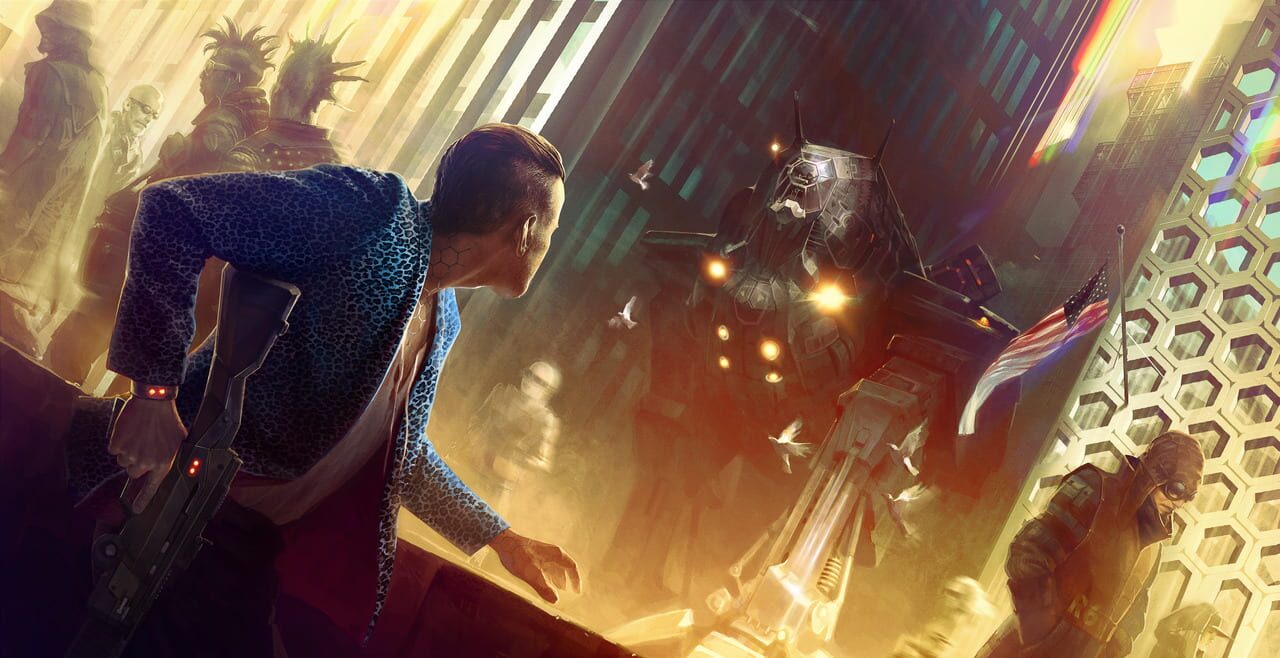
▲ Official Artwork (Source: IGDB)
Exploring New Territories and Chicago Gone Wrong
For players craving deeper environmental variety, the sequel promises to expand the universe beyond the familiar neon-drenched borders of Night City. Early creative discussions reveal that the narrative will take players to a brand-new secondary metropolitan area. This location is described as a dark, dystopian mirror of Chicago, built with a distinct atmospheric identity that deviates from classic blade-runner aesthetic tropes to offer a gritty, alternative urban layout. Moving between these massive urban zones will test the limits of modern storage hardware, promising seamless transitions and incredibly dense, reactive sandbox environments.
The gameplay implications of a multi-city structure are massive, suggesting deeper faction rivalries, distinct regional cyberware variants, and unique transit mechanics. Furthermore, creative leads have hinted at narrative pathways that could potentially bring iconic characters back into the fold, ensuring that the heavy emotional choices made in the first game continue to carry mechanical and narrative weight in the next chapter of the franchise.
Cyberpunk 2077 establishes a gold standard for modern live-service RPG maintenance
The survival and ultimate triumph of this title proves that mechanical redemption is entirely possible through focused development. By throwing away outdated legacy systems and rebuilding the RPG mechanics from the ground up, the studio did not just save a game; they successfully validated a multi-million dollar intellectual property. This mechanical blueprint ensures that Project Orion will launch with a much clearer understanding of sandbox physics, player freedom, and engine stability.
Final Pulse Score: 9.0 / 10
Related Article: The Witcher 4 CDPR Trust Redemption
Related Article: The Witcher 4 Development Documentation Evolution