
Vampirium 1997 is the newly announced immersive sim from Bithell Games that transports players to an alternate 1990s history where Dracula rules England. Stepping into the silent shoes of the dark monarch’s personal vampire assassin, players are charged with eliminating the empire’s high-society enemies. The project represents a mechanical departure for the studio, blending tactical decision-making with environmental exploration. Gamers must navigate complex, tile-based infiltration missions where player agency and tactical freedom dictate the flow of every assassination attempt.
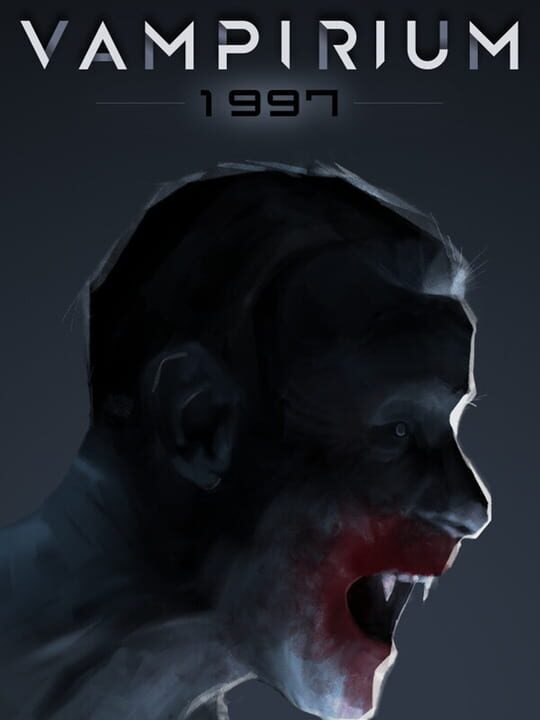
▲ Official Cover Art (Source: IGDB)
| Developer | Bithell Games |
| Platform | PC via Steam |
| Release Model | Steam Early Access |
| Genre | Immersive Sim / Stealth Action |
| Estimated Early Access Duration | Approximately 2 Years |
The Alternate Gothic Reality of Vampirium 1997
Set against a surreal late-twentieth-century backdrop, the narrative setup finds Dracula firmly seated on the English throne, establishing an oppressive aristocratic empire of the undead. Players control a loyal descendant of this bloodline, tasked with carrying out wetwork against rebel factions and rival pale aristocrats. This world design allows the development team to explore unique aesthetic contrasts, blending historical gothic architecture with 1990s technology and sensibilities. The resulting atmosphere promises a refreshing departure from standard fantasy vampire tropes.
Unlike traditional linear action titles, the gameplay loop rewards patient scouting and careful environmental interactions. Players can utilize classic vampire lore elements to achieve their goals, such as staying hidden in the shadows, hypnotizing unsuspecting non-playable characters, or luring targets into lethal patches of direct sunlight. The game encourages replayability by offering experience points and diverse unlockable skills upon completing missions, allowing players to refine their supernatural abilities to suit their preferred playstyle.
Analyzing the Gameplay Mechanics of Vampirium 1997
The mechanical core of Vampirium 1997 relies on a hybrid design that emphasizes tactical planning and execution. Players click tiles to navigate environments, choosing between stealthy non-lethal infiltration or high-casualty direct combat. Dialogue options play a major role in manipulating targets, allowing players to talk their way into secure areas before striking. When conflicts arise, players must make rapid tactical decisions, choosing whether to use conventional firearms, scavenged weapons, or raw vampiric power to feed on their foes.

▲ Official Artwork (Source: IGDB)
The developer has planned a robust road map for the early access phase, which is expected to last roughly two years. Over this period, the game will expand with new settings, characters, and supernatural abilities, raising the character level cap and introducing more complex level designs. This modular approach to development aims to refine the core mechanics based on player feedback, ensuring that the final launch delivers a highly polished and deeply reactive immersive sim experience.
Given the recent financial challenges faced by the studio, this early access release is a critical strategic move to maintain independent operations. By involving the community early in the process, the developers can secure a sustainable production cycle while polishing the intricate, systemic interactions that define the immersive sim genre. Players looking to support this gothic tactical title can now add Vampirium 1997 to their Steam wishlists ahead of its upcoming early access launch.
Vampirium 1997 presents a critical mechanical test for indie immersive sims
By scaling down the traditional first-person immersive sim template into a tactical, tile-based stealth game, Bithell Games is addressing the genre’s notoriously high production risks. Success will depend on whether the systemic freedom of games like Deus Ex can translate effectively into a more structured, grid-based layout. If the tactical AI and environmental reactivity hold up, this could pave the way for a highly efficient, budget-friendly blueprint for future indie immersive sims.
Final Pulse Score: 7.8 / 10