
Dying Light: The Beast will no longer release on previous-generation consoles, as developer Techland has officially cancelled the PlayStation 4 and Xbox One versions of the highly anticipated action-survival title. Originally conceived as a major downloadable content expansion for Dying Light 2, the project eventually mutated into a standalone experience designed to push the boundaries of open-world zombie traversal. While current-gen versions launched successfully in September 2025, those holding out for the legacy console ports will now receive refunds as the studio shifts its focus entirely to high-performance platforms.
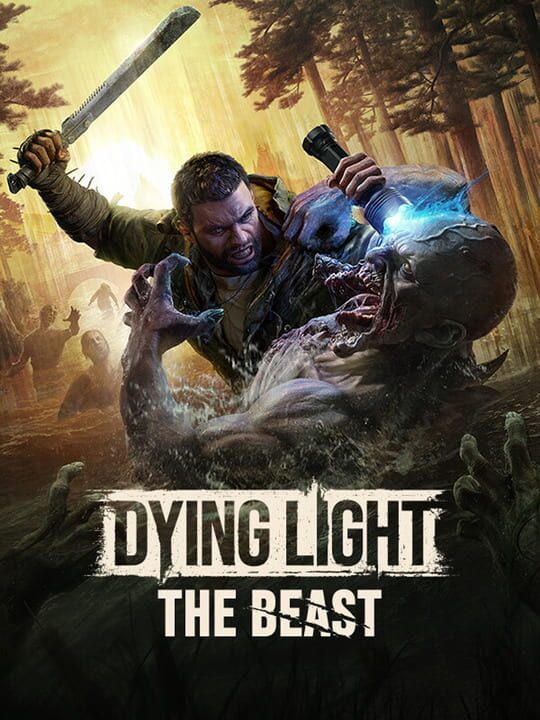
▲ Official Cover Art (Source: IGDB)
| Attribute | Detail |
| Game Title | Dying Light: The Beast |
| Developer | Techland |
| Cancelled Platforms | PlayStation 4, Xbox One |
| Active Platforms | PlayStation 5, Xbox Series X/S, PC |
| Recent Major Update | Restored Land (March 2026) |
Why Dying Light: The Beast Dropped Legacy Consoles
According to an official statement, the decision to halt development on eighth-generation consoles stems from severe hardware limitations that threatened the core gameplay experience. Techland emphasized that the intricate world design, advanced graphical fidelity, and fast-paced parkour mechanics in Dying Light: The Beast require processing power and memory that the aging PS4 and Xbox One simply cannot deliver. Attempting to downscale the title further would have resulted in unacceptable compromises, ultimately damaging the performance standards players expect from modern survival games.
This technical bottleneck is particularly evident when examining the complex systemic interactions within the game. The sheer density of the infected hordes, coupled with advanced physics-based environmental interactions, demands a level of CPU capability that older Jaguar processors cannot sustain. Rather than delivering a severely downgraded and poorly optimized port, the development team chose to protect the integrity of the player experience, even if it meant making a difficult logistical sacrifice.
The Technical Reality of Modern Sandbox Environments
▲ Official Artwork (Source: IGDB)
The cancellation highlights a growing industry trend where cross-generation development is abandoned to unlock the true potential of modern solid-state drives and advanced memory architectures. In Dying Light: The Beast, seamless world streaming is vital for maintaining the momentum of high-speed traversal, a feature that suffers immensely on slow mechanical hard drives. By limiting development to current-generation systems, the studio can optimize rendering pipelines and memory allocation without being held back by decade-old hardware limitations.
Furthermore, this platform exclusivity allows the team to focus resources on updating and expanding the existing versions on modern platforms. This dedication was recently demonstrated in March 2026 with the release of the free Restored Land update, which introduced a persistent world mode where player actions permanently alter the environment. Implementing such complex global state tracking and finite resource mechanics would have been an even greater technical nightmare on legacy systems, proving that the platform cut was necessary for the game to evolve.
Dying Light: The Beast sets a tough but necessary precedent for true current-gen design standards
By abandoning legacy platforms, Techland prioritizes mechanical depth and world persistence over broader market reach. This shift ensures that future updates, like the innovative Restored Land mode, can push simulated environments to their absolute limits without being bottlenecked by the weak processing power of older console generations.
Final Pulse Score: 8.5 / 10
Related Article: Dying Light Developer Player Feedback Philosophy