
Dragon Age fans holding onto hope for a remastered compilation of the classic dark fantasy trilogy have received a disappointing reality check from franchise veteran Mark Darrah. The former executive producer, who spent over two decades at BioWare shaping the series, recently revealed that the logistical hurdles of reviving these iconic role-playing games are practically insurmountable today. Unlike other classic trilogies that found new life on modern platforms, the distinct technical foundations of the early entries make a modern collection an incredibly difficult endeavor.
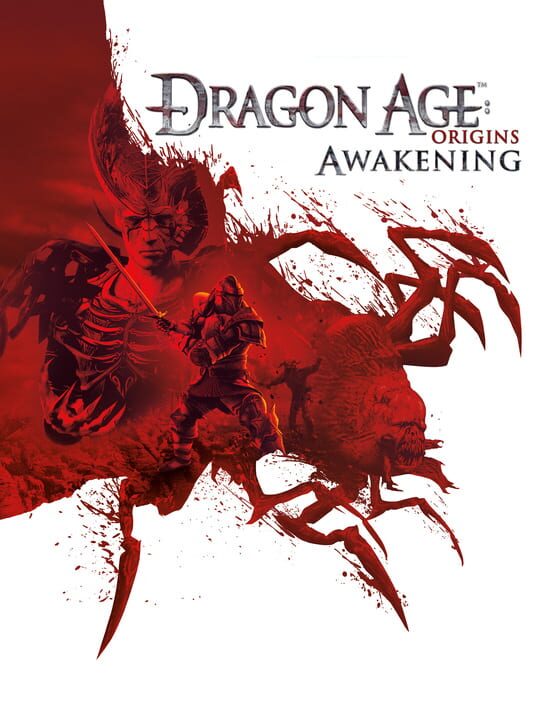
▲ Official Cover Art (Source: IGDB)
| Attribute | Detail |
| Proposed Name | Champion’s Edition (Originally Planned) |
| Impacted Games | Dragon Age: Origins, Dragon Age 2, Dragon Age: Inquisition |
| Primary Hurdles | Lack of Aurora and Eclipse Engine expertise |
| Current Developer Focus | New Mass Effect Project |
The Engine Obstacle Splitting the Dragon Age Trilogy
To understand why a Dragon Age remaster is highly improbable, one must look at the underlying technology of the original games. While BioWare successfully updated the Mass Effect trilogy using the Unreal Engine, the fantasy counterpart has a much more fractured lineage. The original game, Origins, utilized the Eclipse Engine, which was a heavily modified version of the developer’s older Aurora Engine. Its sequel, Dragon Age 2, pushed this architecture further with the Lycium Engine, before the franchise ultimately transitioned to EA’s Frostbite engine for Inquisition.
This technological evolution has created a massive skills gap within the industry. According to veteran reports, there is essentially no one left at the studio, or even in the wider game development community, who possesses a working knowledge of the proprietary Aurora-derived engines. Without that specialized expertise, porting or remastering the first two titles would require rebuilding massive portions of the games from scratch.
Why EA Greenlighting Hurdles Prevent an External Solution
In a standard development landscape, a publisher might outsource a complex project to an external porting specialist. However, the unique nature of the proprietary software means third-party support teams are unable to assist with the classic Dragon Age titles. This leaves BioWare as the only candidate capable of handling the work, which would require assembling an entirely new team or pulling developers away from active, high-priority projects.
With BioWare currently dedicating its core resources to the next entry in the Mass Effect series, dedicating staff to a massive remaster is a hard sell for the publisher. EA’s stringent greenlighting process historically prioritizes new, major intellectual property or active live-service blockbusters over complex, labor-intensive preservation projects. Consequently, the dream of a unified collection remains locked away behind legacy code.
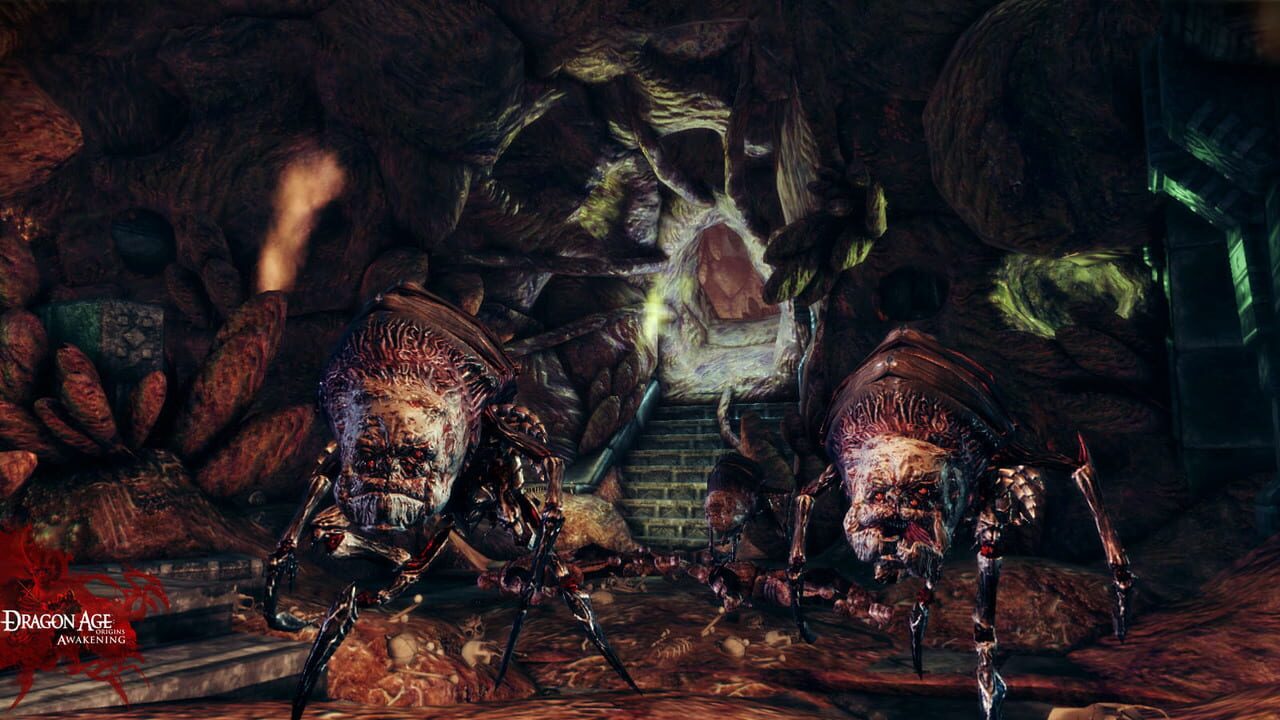
▲ Gameplay & Official Media (Source: IGDB)
Evaluating the Impact on the RPG Community
The realization that a remastered trilogy is unlikely leaves a significant void for console players. While PC gamers can rely on community-made mods to enhance their experience, console users are left with legacy versions that lack modern performance standards and visual refinements. The absence of a modern remaster also restricts newcomers from experiencing the grand story arc that links Origins to the later releases.
This scenario underscores a larger issue in modern game preservation. As studios transition between proprietary engines and third-party tools, older codebases are frequently abandoned, making them unplayable on modern systems. For the immediate future, players looking to revisit the classic world of Dragon Age will have to rely on backward compatibility and original hardware rather than expecting a polished, modern package.
The technical debt of the Dragon Age franchise exposes the fragile nature of proprietary game preservation.
While Unreal Engine-based projects like Mass Effect can be modernized with relative ease, the specialized legacy engines of the early fantasy titles are effectively lost to time. This situation forces gamers to accept that some of the greatest RPGs ever made may never receive the modern preservation they deserve, highlighting a critical industry need for better engine documentation and long-term planning.
Final Pulse Score: 7.5 / 10
Related Article: Dragon Age Inquisition Server Shutdown for Legacy Consoles
Related Article: Dragon Age Creator Discusses Heist RPG Pitch