
God of War fans are witnessing a monumental shift in the television adaptation as former WWE star Dave Bautista enters negotiations to portray Kratos. Following a severe bicep injury sustained on set by Ryan Hurst that required surgical intervention and an estimated year of recovery time, production studios pivoted toward new leading talent. The unexpected necessity to recast the iconic Ghost of Sparta comes after four full episodes had already been filmed, forcing significant reshoots. With his formidable physical presence honed from professional wrestling and high profile action roles, Bautista brings an authentic physical intensity suited for the legendary spartan warrior.
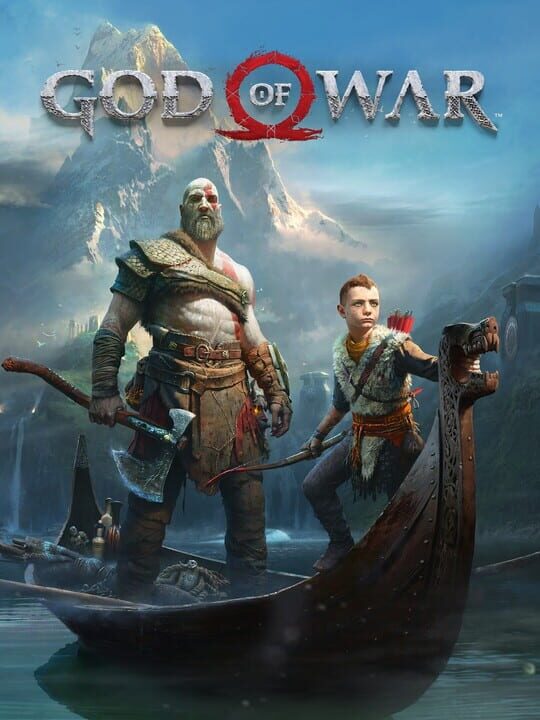
▲ Official Cover Art (Source: IGDB)
| Lead Role Status | Dave Bautista in negotiations for Kratos |
| Previous Actor | Ryan Hurst departed due to severe injury |
| Production Delay | Four episodes requiring full reshoots |
| Future Casting Changes | Atreus and Thrud recasting planned for Season 2 |
| Adaptation Targets | Norse saga narrative arcs |
Navigating Production Reshoots and Physical Demands
Re-filming four complete episodes represents a massive logistical undertaking for the production team, but securing an actor with the physical preparation of Bautista minimizes further structural delays. Fresh off rigorous physical conditioning for his recent film projects, Bautista possesses both the raw mass and combat choreography experience necessary to embody the brutal combat style seen in the God of War video game series. Fans have long speculated about his potential involvement in video game adaptations, especially given his previous public enthusiasm for heroic action roles. Transitioning to Kratos allows the project to preserve the imposing screen presence required for the Norse realm setting.
The transition in lead actors also forces production designers and stunt coordinators to recalibrate action set pieces originally tailored for Hurst. While reshoots invariably adjust production timelines, they offer creative directors an unexpected opportunity to refine pacing and character dynamics established in those initial four chapters. Delivering a faithful representation of the God of War universe demands an uncompromising commitment to scale, combat mechanics, and emotional depth.
Strategic Recasting Across Season Timelines
Beyond the immediate Kratos adjustment, the narrative structure of the show incorporates deliberate time jumps that dictate additional talent changes. Casting directives for the second season indicate that key companion characters including Atreus and Thrud will be recast to reflect the chronological gap between the 2018 God of War title and its acclaimed sequel Ragnarok. While Season 1 features younger performers like Callum Vinson as Atreus and Island Austin as Thrud, Season 2 is seeking actors aged 14 to 17 to capture the emotional maturity and physical growth of the characters.
This deliberate aging strategy aligns perfectly with the progression established in the games, where the shift from child companion to young warrior fundamentally alters gameplay and story dynamics. By planning these age transitions well in advance, the production team demonstrates a commitment to mirroring the evolving father son dynamic that sits at the emotional core of God of War. Navigating these transitions smoothly will be critical to maintaining viewer immersion across multiple seasons.
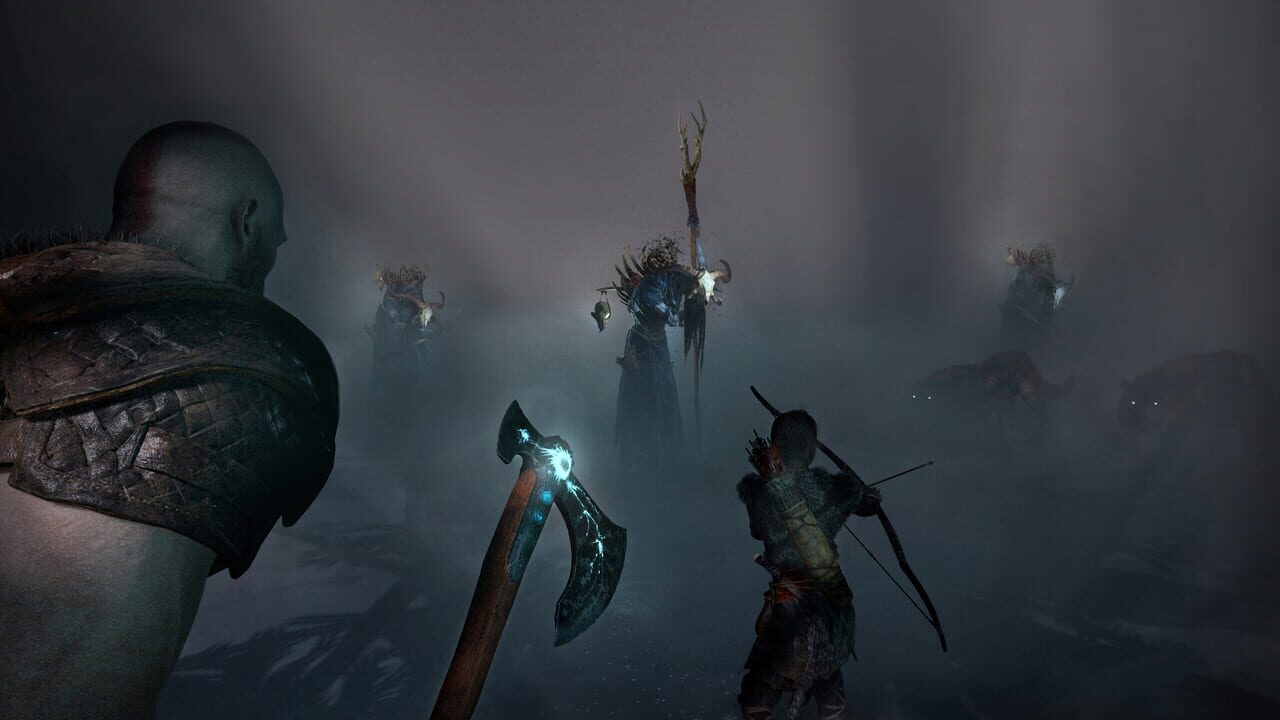
▲ Gameplay & Official Media (Source: IGDB)
Dave Bautista brings the physical authority and star power essential for adapting God of War successfully.
Navigating unexpected lead actor changes requires both tactical reshoots and physical authenticity that matches the source material. While production hurdles present short term delays, aligning casting choices with long term narrative time jumps ensures the series can faithfully capture the character growth defining the modern gaming era.
Final Pulse Score: 8.8 / 10
Related Article: God Of War Kratos Recast Injury
Related Article: God Of War Laufey Director Interview Insight