
Starfield promised an entire galaxy of endless planetary exploration, but a prominent veteran artist from Bethesda believes the game’s grand design was ultimately its weakest link. Having spent 14 years shaping some of the most iconic open worlds in gaming history, the developer’s candid feedback reveals the structural flaws of building a universe on such a massive scale. For players who found themselves trekking across barren, repetitive landscapes, this insider perspective validates a long-standing community critique of the space RPG.
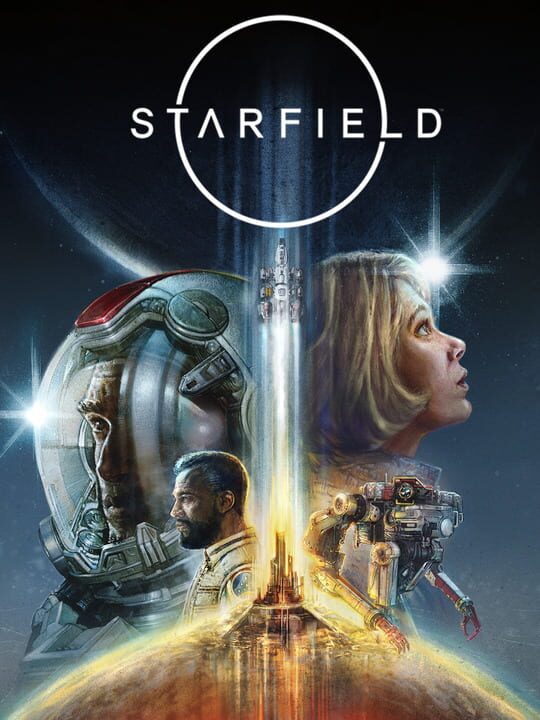
▲ Official Cover Art (Source: IGDB)
| Game Name | Starfield |
| Key Contributor | Nathan Purkeypile (Former Lead Artist) |
| Notable Past Works | Fallout 3, Fallout 4, Skyrim, Fallout 76 |
| Primary Critique | Over-reliance on repetitive space quilt layouts |
| Recent Expansions | Terran Armada and Free Lanes |
Why Starfield Planet Design Missed the Mark According to a Bethesda Veteran
Nathan Purkeypile, who served as a world artist on Fallout 3, Fallout 4, and Skyrim before working on Starfield’s Neon city, recently shared his unfiltered thoughts on the development of Bethesda’s space RPG. Speaking in an interview, Purkeypile explained that if he had been in charge of the project’s overall structure, he would have taken a vastly different route. Instead of attempting to fill a massive universe with over a thousand planets, he would have focused on a smaller, highly detailed handful of planets with completely bespoke layouts.
The core issue of this massive scale is the inescapable repetition of assets that breaks player immersion during major questlines. Purkeypile noted that even when playing through the game’s main story, players frequently run into identical dungeons and outposts on supposedly distant, unique worlds. This repetition occurs because developers simply cannot handcraft unique environments for thousands of locations, forcing the engine to recycle prefabricated content. This loop directly impacts the core user experience, turning what should be a grand adventure into a predictable checklist.
The Illusion of Procedural Generation and Space Quilts
Rather than creating a truly procedural cosmos, the developers relied on a system that Purkeypile describes as ‘space quilts’. This layout method simply stitches pre-made chunks of content together in slightly different arrangements, rather than dynamically generating entirely unique layouts, flora, and fauna. He compared this planetary gameplay loop directly to the original Mass Effect game, where landing on non-story planets quickly became a repetitive chore of visiting identical prefabs.
According to Purkeypile, a game that commits to the massive scale of a thousand planets needs to go all the way, similar to how No Man’s Sky handles its universe. By failing to fully commit to true procedural generation or a highly curated, smaller solar system, Starfield ended up trapped in a middle ground that left many players feeling like they were exploring a beautifully textured but empty void. This critique is highly relevant as Bethesda continues to support the game with major current-generation updates.
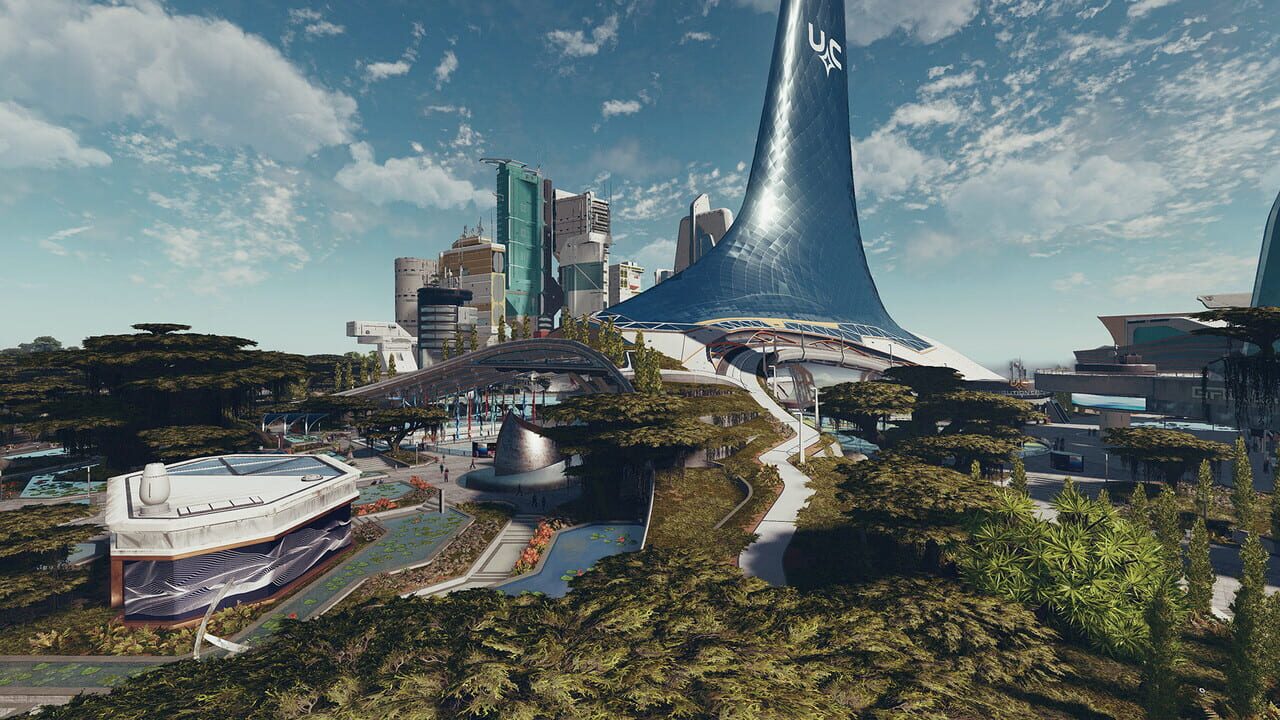
▲ Gameplay & Official Media (Source: IGDB)
How Recent Updates Attempt to Solve the Exploration Problem
To address these deep-rooted design criticisms, recent updates to Starfield on the PlayStation 5 and Xbox Series X/S have attempted to inject more variety and movement into the universe. The paid story expansion, Terran Armada, introduced narrative-heavy bespoke content, while the free Free Lanes update added much-needed interplanetary traversal improvements and the Moon Jumper land vehicle. While these features directly target the slow, repetitive nature of planetary exploration, they highlight the ongoing struggle to fix a fundamental structural choice made years ago during early development.
The full discussion on world design can be viewed in the original interview on The Examined Game.
Why bespoke depth in Starfield always beats artificial cosmic scale
The critique from a key developer highlights a growing industry realization that players value curated depth over infinite, repetitive space. While modern updates try to patch these gaps with vehicles and fresh quests, the core engine architecture remains tied to a mosaic design. Future projects must balance the allure of massive scale with the hand-crafted storytelling that made past open worlds so unforgettable.
Final Pulse Score: 7.8 / 10
Related Article: Starfield Updates and Bethesdas Continuing Vision under Pete Hines
Related Article: Examining Pete Hines Departure and the Future of Bethesda