
Old School RuneScape has defied the traditional lifecycle of the MMORPG genre by proving that community custody is the ultimate recipe for design longevity. What began as a nostalgic project built from a rescued 2007 server backup has evolved into an absolute powerhouse that eclipses its modern sister game in both active players and subscription numbers. By placing the development roadmap directly in the hands of its community, the development team has cultivated an ecosystem where game preservation and modern evolution coexist seamlessly.
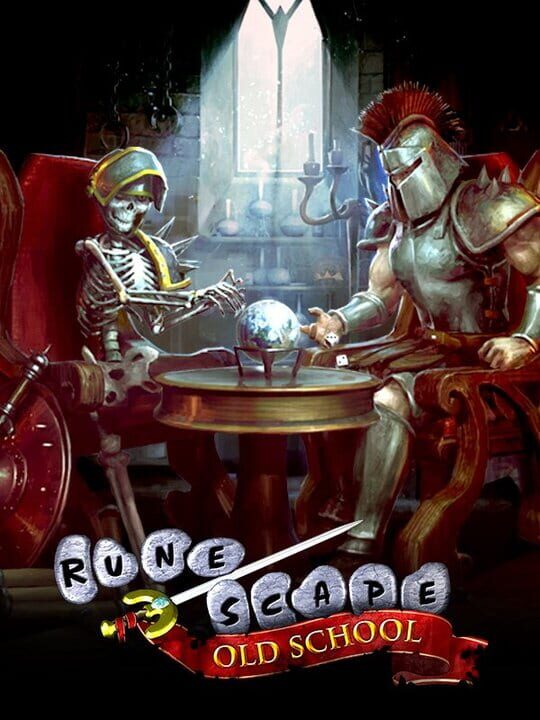
▲ Official Cover Art (Source: IGDB)
| Attribute | Detail |
| Developer | Jagex |
| Release Year | 2013 |
| Active Subscribers | Over 1 million players |
| Core Feature | Community polling with 70 percent approval threshold |
The Desk Drawer Origin and the Preservation of Old School RuneScape
The existence of this retro-styled world hinges on a stroke of pure administrative fortune. When players clamored for a return to the golden era of 2006, the development studio discovered they lacked a viable backup of that specific build, leading to the deployment of a salvaged 2007 server build discovered in an employee’s desk drawer. This arbitrary snapshot became the bedrock of Old School RuneScape, a game that now stands older than the original version was when this fork launched back in 2013. The nostalgic charm is not just a marketing gimmick but a preserved state of play that resonates deeply with players who grew up spending their school lunches in the libraries of Gielinor.
Democracy in Game Design and the Success of Old School RuneScape
Unlike traditional live-service titles where developers impose sweeping gameplay shifts from the top down, this title operates as a functional design democracy. Every major update, from quality-of-life adjustments to massive expansion regions like Varlamore, must pass a strict community polling threshold of 70 percent approval before a single line of code is permanently integrated. This mechanical veto power protects the core gameplay loop from unwanted feature creep and ensures that the meta remains balanced according to player preferences. This collaborative model ensures that Old School RuneScape remains uniquely immune to the player fatigue that often plagues older online worlds. The creative team acts as caretakers rather than dictators, preferring to have concepts rejected early in the design phase rather than risking months of wasted development on updates the community would ultimately despise.
Refining the Retro MMO Experience Through Live Events
The competitive nature of Old School RuneScape was recently put on full display during the Deadman All Stars tournament. Hosting highly competitive, high-stakes events demonstrates the surprising flexibility of an engine that was never originally designed for modern LAN setups or esports environments. By aligning developer resources with the hardcore player base’s appetite for competitive PvP, the game continuously breathes new life into its decades-old framework. This symbiotic relationship keeps the subscription value exceptionally high, as players know their financial investment directly funds the maintenance and careful expansion of their favorite digital playground.
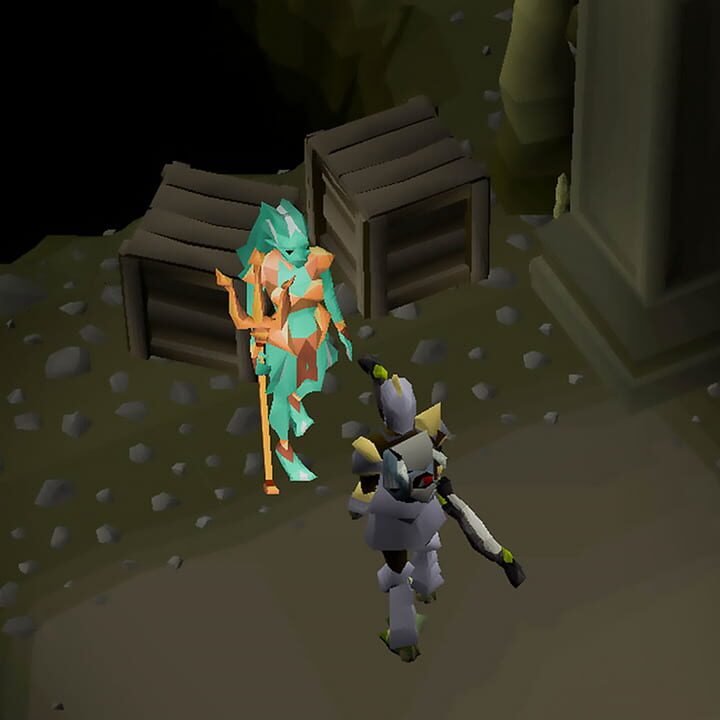
▲ Gameplay & Official Media (Source: IGDB)
Democratic player polling preserves the mechanical integrity of Old School RuneScape
By enforcing a strict seventy percent voting approval rating for all new game content, Jagex has successfully mitigated the feature creep that typically plagues aging MMORPGs. This player-driven filter ensures that modern expansions retain the specific structural charm of the classic era. The result is a highly stable gameplay meta and a deep level of consumer trust that keeps active subscription numbers at historic highs without relying on predatory monetization.
Final Pulse Score: 9.5 / 10
Related Article: RuneScape Patch Rollback Fixes Critical Rune Bug