
Clair Obscur Expedition 33 challenged conventional genre labels long before its breakthrough release by radically rethinking how tactical role playing games communicate their combat identity. During early industry pitch sessions, veteran industry advisor Shuhei Yoshida counseled developer Sandfall Interactive and publisher Kepler Interactive against branding the project strictly as a traditional turn based RPG. The strategic reasoning was grounded in player psychology, recognizing that conventional turn based terminology often carried connotations of sluggish pacing or dated mechanics among broader audiences who crave tactile engagement.
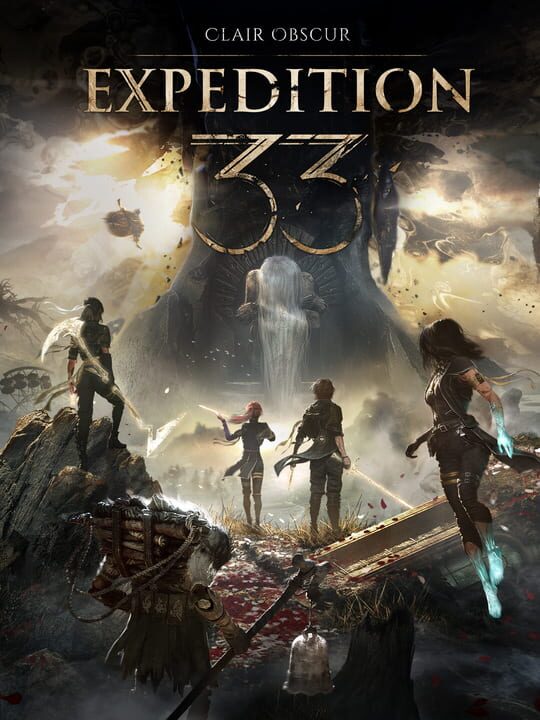
▲ Official Cover Art (Source: IGDB)
| Developer | Sandfall Interactive |
| Publisher | Kepler Interactive |
| Combat Identity | Reactive Turn Based Hybrid |
| Core Influence | Classic Japanese RPG Structure |
| Key Mechanics | Timing Based Defense and Free Aiming |
The Strategic Pivot Away from Traditional Turn Based Labels
When the first playable builds appeared behind closed doors at development conferences, industry veterans immediately noted the kinetic execution of its battle loop. Clair Obscur Expedition 33 avoided static command execution by embedding active parries, precise dodge windows, and dynamic counter opportunities directly into turn selection. Labeling such an active framework merely as turn based risked alienating gamers who assumed the experience would lack direct physical responsiveness.
By framing the system under the banner of reactive turn based combat, the production team created an inviting entry point for action enthusiasts while safeguarding the cerebral decision making cherished by tactical purists. This deliberate communication pivot ensured that potential players understood the rhythm of battle before judging the game on outdated genre assumptions. The resulting gameplay flow demands constant situational awareness, transforming enemy turns from passive waiting periods into high tension defensive tests.
Bridging French Artistry and Classic Japanese Storytelling in Clair Obscur Expedition 33
Beyond its innovative mechanical posture, the core identity of Clair Obscur Expedition 33 thrives at the intersection of European artistic heritage and Japanese role playing traditions. Classic Western role playing titles frequently prioritize open ended player avatar customization and sandbox freedom within expansive worlds. In contrast, Japanese genre masterpieces emphasize strictly defined, auteur driven characters whose emotional trajectories propel narrative momentum forward across hostile landscapes.
Sandfall Interactive embraced this character centric philosophy completely, crafting a narrative centered on mortal expedition members facing inevitable doom. The visual direction leverages Belle Époque aesthetics, baroque surrealism, and French cultural sensibilities, wrapping a distinct European soul around classic turn based party dynamics. The result is a bold creative synthesis that elevates standard command inputs into a visually cohesive and emotionally resonant epic.
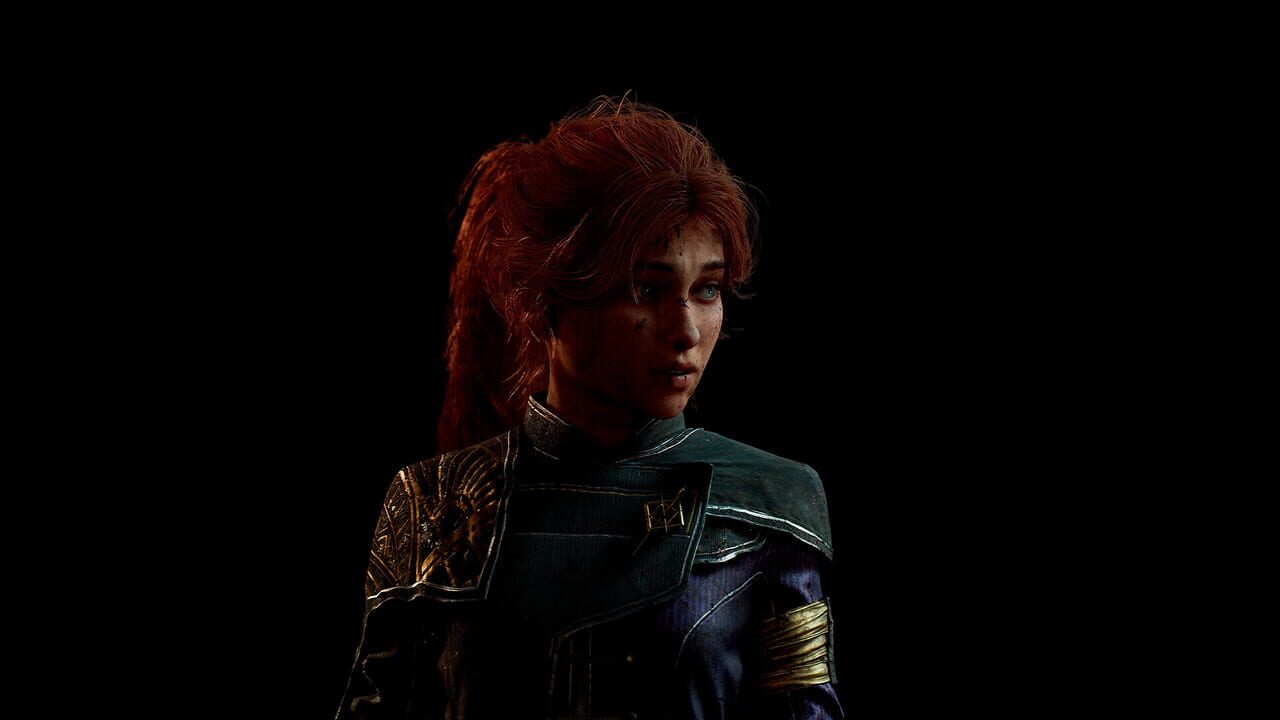
▲ Gameplay & Official Media (Source: IGDB)
Refining Tactical Timing and Real Time Input
The tactical depth within each encounter relies on layering rhythmic commands on top of resource management. Selecting an offensive spell or physical assault initiates precise button prompts that amplify critical damage output or alter status infliction probabilities. Conversely, defensive rounds force players to read enemy windups and animation cues in real time, turning defensive mastery into an offensive engine through devastating counter strikes.
This tight feedback loop alters the risk reward calculation across prolonged dungeon crawls. Mastering timing windows allows lower level parties to survive against overwhelming odds, rewarding mechanical execution without diluting the necessity of disciplined squad builds and equipment synergy.
Subverting genre stigma requires mechanics that actively validate player reflexes.
The mechanical success of Clair Obscur Expedition 33 proves that turn based foundations thrive when supplemented by precise active inputs. Moving beyond rigid turn structures transforms defensive rounds into engaging gameplay rather than passive downtime. Strategic pitch framing and hybrid execution have effectively set a benchmark for future character driven role playing games.
Final Pulse Score: 9.0 / 10
Related Article: Clair Obscur Expedition 33 Imperfection Design
Related Article: Final Fantasy 7 Rebirth Combat Analysis Real Time Vs Turn Based