
The Expanse Osiris Reborn sets out to deliver a faithful and mechanically rich adaptation of James S.A. Corey’s acclaimed sci-fi franchise. Developed by Owlcat Games, the title pivots the studio’s deep RPG lineage into a third-person tactical action framework that feels instantly familiar to fans of classic cover-based squad shooters. A hands-on session with an extensive mid-game mission demonstrates that the project respects the physics and sociopolitical tension of the universe rather than relying solely on nonstop firefights.

▲ Official Cover Art (Source: IGDB)
| Developer | Owlcat Games |
| Target Platforms | PC, PlayStation 5, Xbox Series X |
| Release Window | Spring 2027 |
| Genre | Action RPG / Tactical Third-Person Shooter |
| Campaign Length | Approximately 30 Hours |
| Setting Timeline | Concurrent with Seasons 1 to 3 |
Grounded Worldbuilding and Authentic Lore Integration
The Expanse Osiris Reborn places players in control of an original custom protagonist alongside their identical twin, J, operating as contractors for the paramilitary firm Pinkwater. Set against the chaotic backdrop of the solar system following the tragedy at Eros Station, the narrative runs parallel to the events of the early novels and television seasons. Rather than stepping into the boots of the Rocinante crew, players experience monumental timeline milestones from an alternate vantage point, interacting with recognizable factions like Protogen across meticulously detailed locales such as the agricultural domes of Ganymede.
Authenticity extends directly into traversal limitations and environmental design. Movement is deliberately weighted, omitting traditional jump mechanics to reflect the variable gravity and magnetic boot adherence inherent to hard science fiction. The environments display remarkable narrative restraint, presenting massive greenhouse domes and industrial docking bays as functional installations rather than cheap fan service. The pacing deliberately mirrors the intellectual tension of the source material, ensuring investigative setup precedes catastrophic kinetic escalation.
Tactical Squad Combat and Immersive Sim Infiltration
Combat encounters in The Expanse Osiris Reborn emphasize methodical positioning and active squad command routines. Firefights demand continuous spatial awareness, combining responsive cover shooting with direct tactical orders for two customizable squad members to suppress hostiles or deploy defensive countermeasures. Encounters against elite Protogen units carry lethal stakes, requiring players to react swiftly when flanking routes collapse or specialized enemies close the distance with flamethrowers and high-impact ordnance.
Beyond kinetic warfare, the mission structure integrates multi-layered immersive sim problem solving. Infiltration sequences reward nonlethal exploration, allowing players to bypass armed patrols through computer terminal hacking, visual surveillance scans, and forged administrative clearances. These nonviolent avenues provide substantial narrative depth before escalating into high-pressure set pieces, such as facing genetically altered Protomolecule Hybrids where critical dialogue decisions dictate crew positioning and civilian survival.
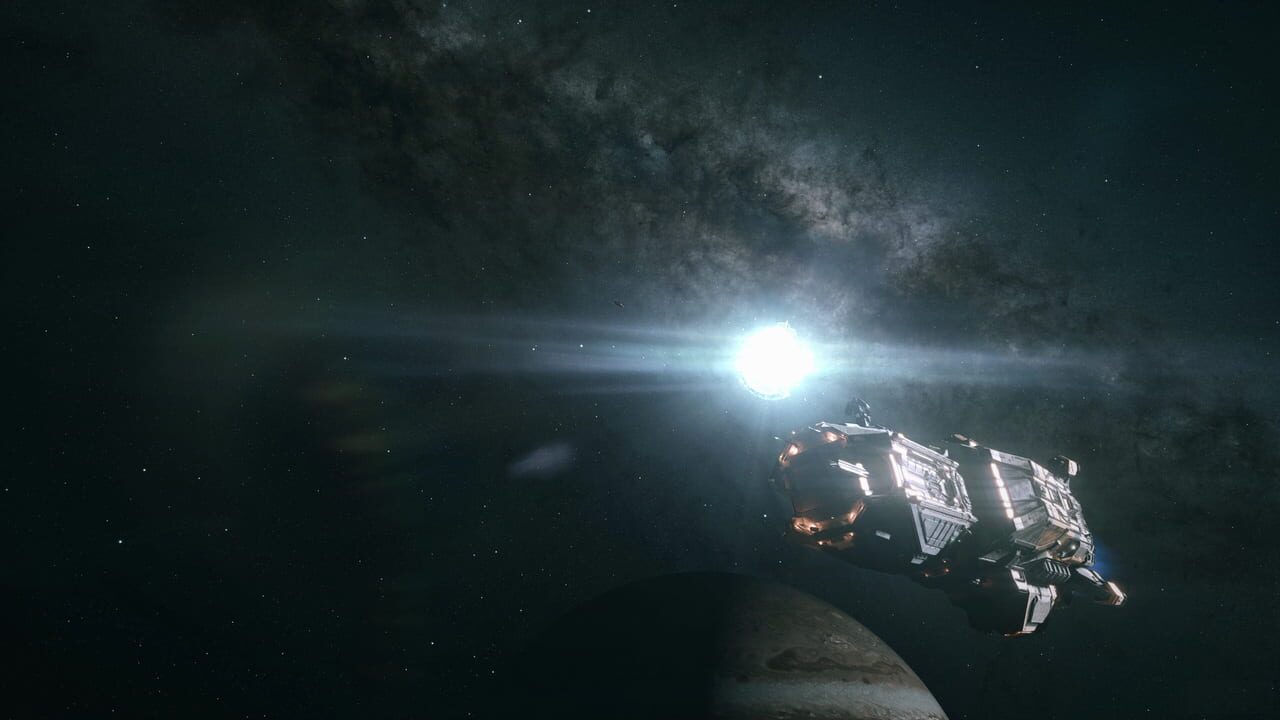
▲ Gameplay & Official Media (Source: IGDB)
Player Choice and Long-Term Campaign Consequences
Branching mission outcomes play a central role across the roughly 30-hour campaign. During high-stress extractions, directing specific companions toward rescue duties or technical tasks alters the immediate flow of battle and carries lasting consequences for your squad dynamics. These branching paths guarantee that character builds, companion affinity, and ethical decisions carry tangible weight throughout the broader journey across the solar system.
The Expanse Osiris Reborn merges tactical squad combat with methodical immersive problem solving.
Owlcat Games avoids generic action shooter tropes by grounding gunplay in deliberate cover mechanics and deep narrative problem solving. The balance between nonlethal infiltration and squad-driven shootouts captures the calculated tension of the source universe. If the full campaign sustains this level of quest flexibility and environmental authenticity, the title stands to offer a compelling tactical RPG experience for hardcore sci-fi enthusiasts.
Final Pulse Score: 8.8 / 10
Related Article: Exodus Gameplay Reveal Analysis 2026
Related Article: Warhammer 40000 Rogue Trader Infinite Museion