
The Blood of Dawnwalker enters the action role playing space as the ambitious debut title from Rebel Wolves, a studio founded by seasoned industry veterans. By deliberately rejecting the modern obsession with oversized, empty open worlds, this dark fantasy adventure delivers an intricately crafted narrative centered on personal stakes and moral decay. Players step into the boots of Coen, a newly transformed Dawnwalker who walks between humanity and vampirism while racing against time to rescue his kin from the villainous Brencis.
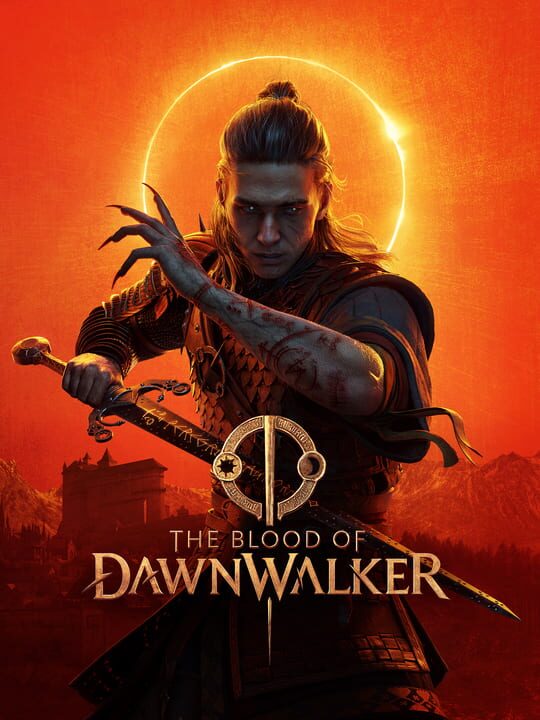
▲ Official Cover Art (Source: IGDB)
| Attribute | Detail |
|---|---|
| Developer | Rebel Wolves |
| Game Director | Konrad Tomaszkiewicz |
| Lead Writers | Jakub Szamałek and Ariana Siarkiewicz |
| Setting | Vale Sangora |
| Core Genre | Action RPG |
| Combat System | Omniblock Parrying and Vampiric Melee |
Mastering Swordplay and Vampiric Urges
Combat in The Blood of Dawnwalker strikes an engaging balance between calculated swordplay and savage predatory aggression. When wielding steel, Coen relies on a directional blocking and parrying framework that echoes precision melee titles, turning encounters into tense duels where sloppy timing is punished severely. Once players master parry chains, however, combat flows with satisfying lethality as mortal foes fall quickly under decisive counterattacks.
Complementing traditional weaponry are Coen vampiric powers and lethal claws, offering aggressive melee alternatives that inject high octane gore into every skirmish. Managing these powers is not purely an offensive consideration; the corruption meter introduces genuine mechanical risks during narrative moments. During critical multi choice dialogue sequences, Coen inner hunger can trigger a feeding prompt that auto executes if the player hesitates, occasionally turning potential allies into accidental casualties.
The Dense Design Philosophy of The Blood of Dawnwalker
Rather than drowning players in endless map markers, Vale Sangora prioritizes density and structural cohesion over sheer landmass. Every path, village, and crag in this European mountainside setting feels purposeful, ensuring that secondary objectives directly inform the main quest rather than serving as mindless busywork. Navigating the world quickly becomes second nature, allowing players to rely on visual landmarks rather than staring relentlessly at mini map icons.
The central structural hook revolves around a thirty day in game timer before Brencis final coronation, attaching time costs to companion summons and potion crafting. While the ticking clock provides solid thematic tension, the actual pressure proves somewhat lenient, often leaving ample days to spare even after thorough exploration. Despite this mechanical softness, the lack of filler content ensures that every hour invested yields tangible story progression and meaningful character interactions.
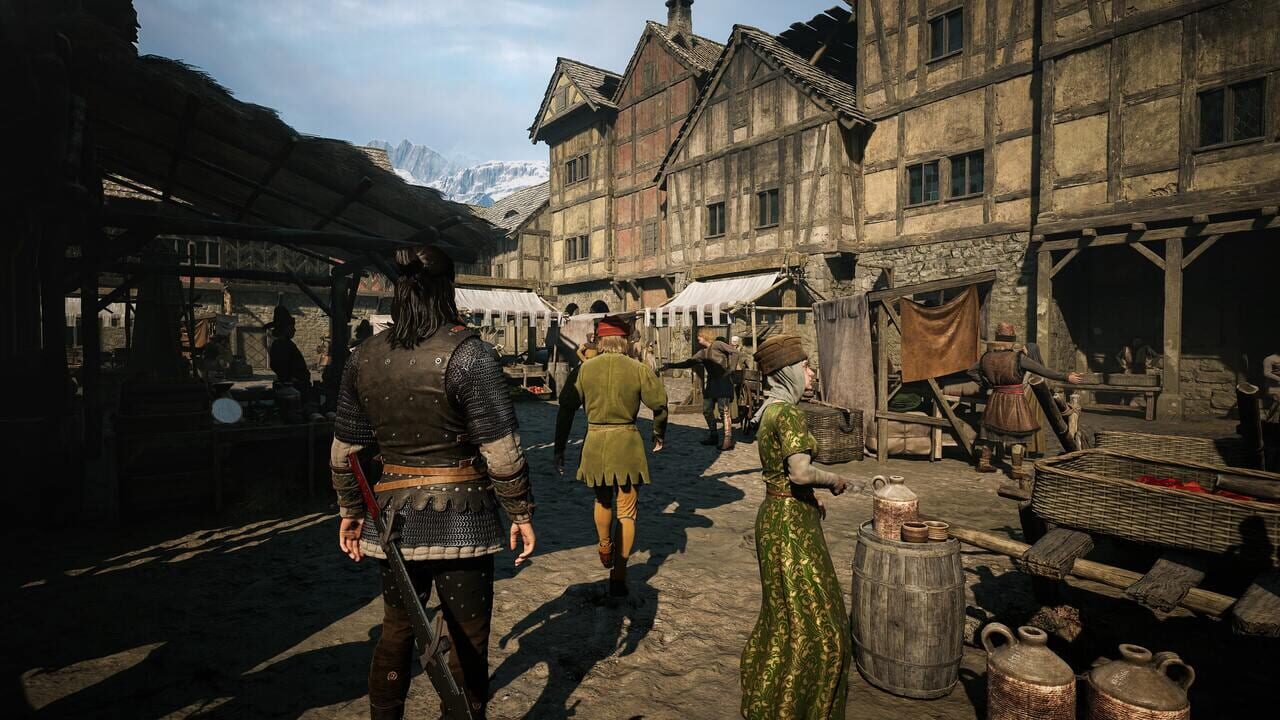
▲ Gameplay & Official Media (Source: IGDB)
Technical Shortcomings and Launch Build Realities
While the artistic direction and emotive facial animations elevate the storytelling, technical stability remains the most significant blemish on the launch experience. Unstable frame rates in congested settlements and intermittent bugs occasionally disrupt the otherwise immersive atmosphere of Vale Sangora. Fortunately, generous auto save intervals prevent game breaking setbacks, but the current build clearly requires post launch patching to reach its optimal state.
Focused structural world design sets The Blood of Dawnwalker apart from modern genre bloat.
Rebel Wolves successfully proves that a compact, dense setting with meaningful quest interconnections offers far greater engagement than massive, hollow sandboxes. While technical rough edges and a forgiving timer prevent perfection, the compelling dialogue risks and rewarding directional combat create a rock solid foundation for a lasting dark fantasy franchise.
Final Pulse Score: 8.0 / 10
Related Article: The Blood of Dawnwalker Gameplay Mechanics Guide
Related Article: The Blood of Dawnwalker Console Performance