
Alien Isolation 2 is deliberately choosing to ignore decades of franchise lore to preserve the singular dread of the 1979 original film. While moving the narrative to a remote planetside colony might initially evoke memories of James Cameron’s action-packed sequel, developer Creative Assembly is holding firm to a pure survival horror ethos. Players hoping for pulse rifles and overwhelming firepower will find none here, as the sequel doubles down on absolute disempowerment, analog retrofuturism, and a lone, unkillable predator stalking the shadows of an isolated Weyland-Yutani settlement.
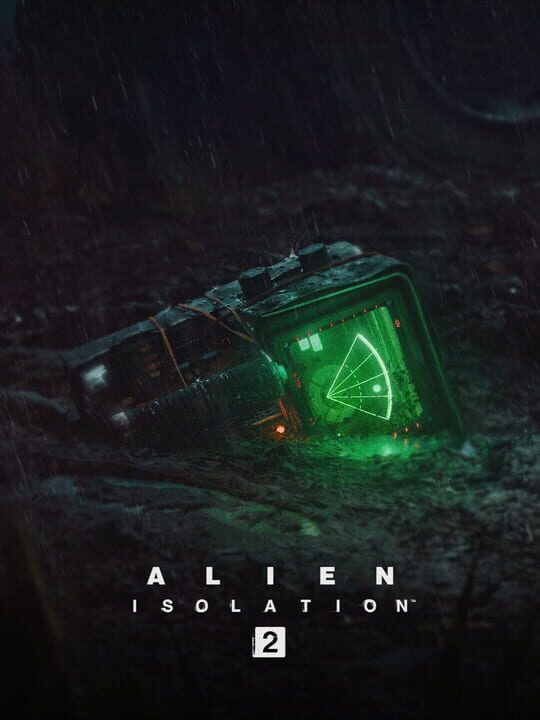
▲ Official Cover Art (Source: IGDB)
| Development Studio | Creative Assembly |
|---|---|
| Publishing Label | Sega |
| Core Design Philosophy | 1979 Ridley Scott Film Aesthetic |
| Primary Setting | Colony World LV-921 |
| Key Gameplay Pillars | Disempowerment and Survival Stealth |
| Visual Paradigm | 1970s Lo-Fi Analog Tech |
The Crucial Philosophy Behind Alien Isolation 2
The decision to bypass subsequent film entries comes down to artistic clarity and tonal consistency. Principal environment artist Archie Whitehead noted that trying to draw inspiration from every corner of the wider universe dilutes the tension, turning what should be a focused nightmare into a generic sci-fi experience. In Alien Isolation 2, the Xenomorph remains an insurmountable force of nature rather than target practice for heavily armed space marines.
This restraint fundamentally reshapes the gameplay loop. Stripping away heavy ordnance forces players to rely entirely on environmental awareness and evasive maneuvers. In the colony environments of LV-921, survival relies on makeshift tools, improvised distractions, and raw stealth. The tactical goal is never to destroy the creature, but simply to buy a few agonizing seconds to reach the next airlock.
Designing Analog Authenticity on Colony LV-921
To capture the authentic 1970s production design, the art team gained direct access to the 20th Century Fox archives. Art director Ana Sopikova revealed that the studio meticulously studied behind-the-scenes photography, vintage prop manufacturing techniques, and period-accurate materials. If a technological component or material did not exist in the late 1970s, it is completely banned from the game world, ensuring absolute visual fidelity to Ridley Scott’s seminal classic.
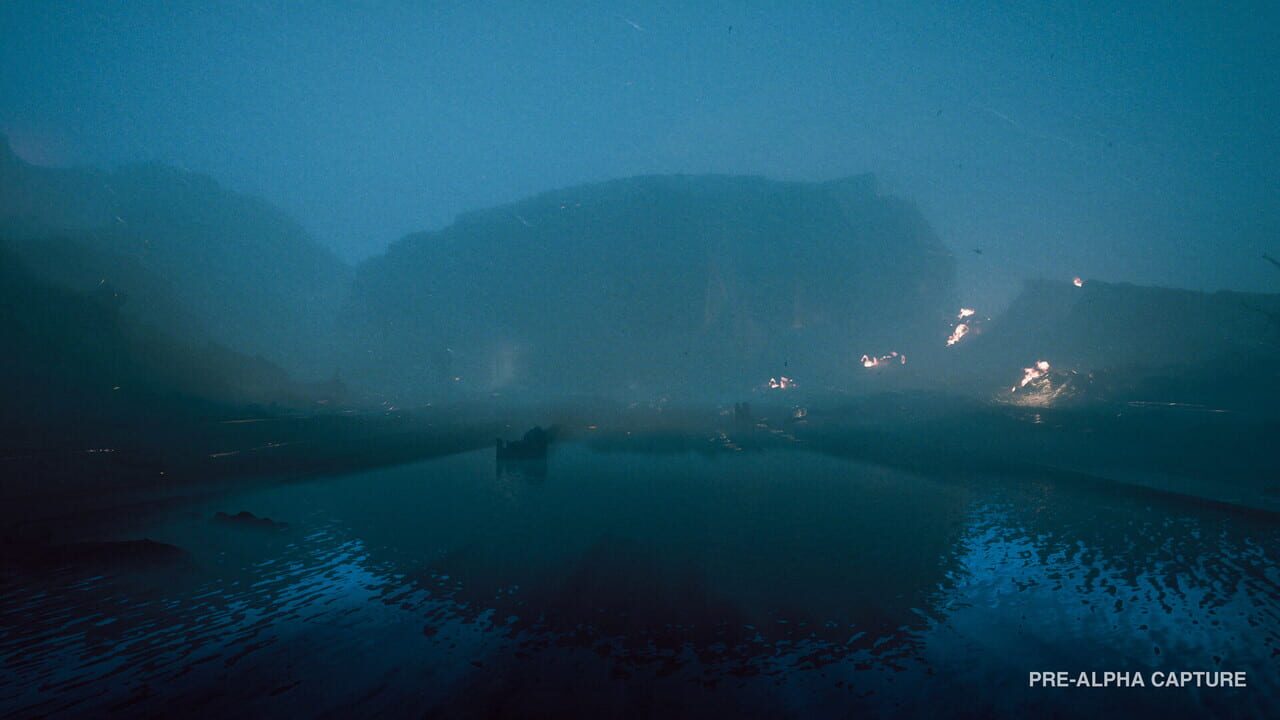
▲ Gameplay & Official Media (Source: IGDB)
This strict rule means no modern LED illumination or sleek flat screens appear anywhere in the environment. Bulky cathode-ray tubes, tactile mechanical switches, and exposed wiring define every interior corridor. Even the rugged transport rover that players ride across the unfinished roads of LV-921 is built with cheap vinyl and faded leather, grounding the colony in an era of corporate neglect where workers are left with obsolete, second-hand technology.
Recontextualizing Iconic Survival Tools
Adapting this low-fi visual language to an exterior colony world also required re-engineering iconic equipment. The classic motion tracker, originally built for pressurized space station decks, has been retrofitted with weather-sealed casing and heavy-duty buttons to endure rain, howling winds, and thick dust. CRT monitors inside colonies feature side ventilation panels that shift according to whether a room is pressurized, demonstrating an obsessive level of detail that deepens player immersion across every sector of LV-921.
Alien Isolation 2 proves that mechanical restraint is the ultimate catalyst for psychological terror.
By strictly confining its visual and mechanical boundaries to 1979 cinema, Creative Assembly ensures the Xenomorph retains its mythical status as an unstoppable apex hunter. Rejecting militarized combat mechanics forces players into a state of perpetual tactical vulnerability, creating an atmospheric density that modern survival horror titles rarely achieve. This uncompromising creative vision elevates environmental design from simple set dressing into an active instrument of dread.
Final Pulse Score: 9.2 / 10