
Mass Effect stands as a defining pillar of cinematic storytelling, yet the future of the beloved science fiction universe hinges entirely on design philosophy and creative independence. Veteran developers from the original trilogy argue that the talent required to craft a masterclass experience remains within the studio, provided external production pivots do not dilute the core experience. When interactive dialogue systems, nuanced companion writing, and tactical combat mechanics take precedence over monetization mandates, the franchise reliably delivers unforgettable player journeys.
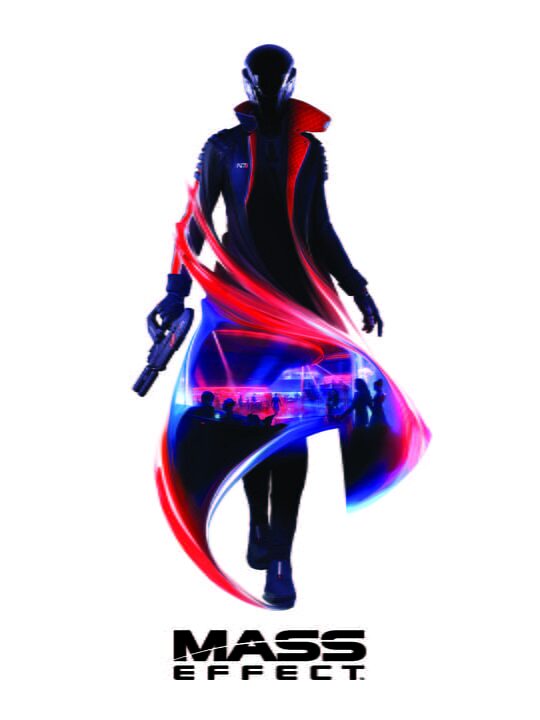
▲ Official Cover Art (Source: IGDB)
| Key Veteran Talent | Preston Watamaniuk, Derek Watts, Parrish Ley |
|---|---|
| Core Genre Focus | Single-Player Interactive Cinematic Action RPG |
| Design Philosophy | Deep Narrative, Tactical Combat, Meaningful Choice |
| Production Hurdle | Historical Interference and Shifting Trends |
The Enduring Blueprint of the Original Mass Effect Trilogy
The foundational strength of the Mass Effect franchise was never an accident of timing; it was the product of a precise formula that merged high-stakes space opera with rigorous role-playing mechanics. Veteran cinematic designer Armando Troisi emphasizes that core visionaries who shaped the original trilogy—including lead designer Preston Watamaniuk, art director Derek Watts, and lead cinematic animator Parrish Ley—possess deep institutional knowledge of what makes this universe resonate with gamers. Their historical mastery of branching dialogue trees, cinematic blocking, and squad dynamics established an industry benchmark that modern action titles still strive to replicate.
Rather than chasing fleeting multiplayer trends or live-service design patterns, the development staff excels when dedicated strictly to single-player immersion. Troisi notes that when the team is allowed to focus on interactive narrative progression and deep mechanical combat, virtually no other studio can rival their output. Trusting veteran leads allows subtle narrative nuance and rich character relationships to flourish, delivering the emotional weight that defines Commander Shepard iconic legacy.
Creative Autonomy Versus Modern Production Traps
The biggest challenge facing modern RPG development lies in external meddling, where shifting corporate directives force fundamental gameplay reworks late in production cycles. Recent industry reports highlighting developmental friction on major fantasy titles underscore how late-stage pivots away from live-service elements can compromise pacing and mechanics. For the next chapter in the galaxy, granting game creators complete autonomy ensures that mission structures, dialogue choices, and skill trees are built purely around player satisfaction rather than engagement retention algorithms.
When developers have the freedom to iterate on classic design pillars, gameplay systems become cohesive rather than fragmented. A focused single-player adventure eliminates artificial level gates, repetitive daily grind loops, and shoehorned cooperative elements. By returning to dedicated class specializations, kinetic biotic powers, and high-impact moral choices, the experience respects the player investment of both time and money.

▲ Gameplay & Official Media (Source: IGDB)
Preserving Mechanical Depth and Narrative Weight
True role-playing greatness requires uncompromising mechanical depth that empowers diverse playstyles across multiple playthroughs. Giving original creators free rein ensures that squad command features, weapon customization, and environmental biotic combos receive the tactical polish hardcore gamers expect. Fluid third-person gunplay must harmonize with strategic pause-and-play ability wheel mechanics, creating dynamic encounters against diverse alien threats across uncharted star systems.
Equally crucial is the preservation of world-building integrity, where planetary exploration and lore-rich codex entries feel organic rather than padded. By trusting the original architects of the Citadel, the Normandy, and the Omega station, the atmospheric fidelity of the universe remains authentic. Players demand consequential narrative arcs that actively reflect their dialogue decisions, reaffirming that personal agency remains at the absolute heart of the sci-fi adventure.
Creative autonomy empowers Mass Effect veterans to deliver peak single-player storytelling.
The path forward for legendary sci-fi role-playing requires complete trust in the veteran developers who engineered the franchise greatest triumphs. Shielding the creative team from industry-wide live-service distractions guarantees an uncompromising focus on narrative weight, tactile combat, and memorable squad companions. When design decisions prioritize mechanical cohesion over corporate mandates, the resulting adventure delivers timeless value directly to hardcore gamers.
Final Pulse Score: 8.8 / 10