
2XKO represented one of the boldest genre crossovers in recent fighting game history, attempting to merge the massive Runeterra universe with high-octane tag battle mechanics. Following a turbulent launch period and the recent announcement in August that active development will conclude after this year alongside full purchase refunds, Riot Games leadership has addressed the project directly. During a panel appearance at PAX West, co-founder Marc Merrill shared an open post-mortem regarding why the competitive brawler struggled to build a sustainable player base.
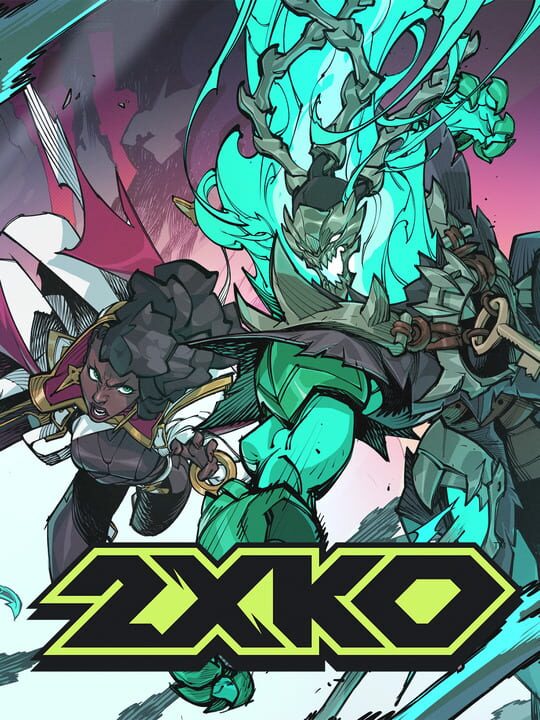
▲ Official Cover Art (Source: IGDB)
| Project Status | Development Ending Post 2026 |
|---|---|
| Monetization Outcome | Full In Game Purchase Refunds Issued |
| Core Design Structure | 2v2 Assist Based Tag System |
| Leadership Reflection | Marc Merrill PAX West Post Mortem |
| Studio Trajectory | Continued Investment in Experimental Projects |
Analyzing the Competitive Demands Faced by 2XKO
When Riot teamed up with fighting game community veterans Tom and Tony Cannon, the ambition was clear. They aimed to dismantle high execution barriers through accessible inputs while preserving deep combo theory and assist setups. Merrill explained that while the core design delivered striking visuals and intricate assist mechanics, the live service landscape proved unforgiving. In a marketplace overflowing with endless entertainment choices, retaining everyday engagement requires an extraordinary level of player investment.
The tag fighter genre inherently demands intense practice and mental endurance, creating friction for casual players attempting to transition from casual MOBA play. While hardcore fighting game enthusiasts appreciated the technical depth, bridging the gap between newcomer onboarding and long-term retention proved to be a formidable task. In-game economies and free-to-play ecosystems rely heavily on sustained daily active users, a metric that 2XKO found difficult to stabilize after its initial launch surge.
The Core Impact on Fighting Game Mechanics and Player Value
From a gameplay standpoint, 2XKO took commendable risks by introducing fluid character switching, dynamic defensive bursts, and streamlined directional specials. However, the high-damage tag dynamics meant that less experienced competitors often found themselves trapped in oppressive corner pressure and extended juggle sequences. This steep skill curve created a retention bottleneck where matchmaking pools shrank, intensifying the difficulty for remaining players.
To Riot Games credit, the decision to issue comprehensive refunds for all in-game microtransactions softens the blow for the community. Merrill emphasized that while not every project hits its mark, the willingness to experiment and support specialized competitive scenes remains a core priority for the studio. The technological and networking foundations established during the development of 2XKO will likely serve as valuable architectural blueprints for future multiplayer titles.

▲ Gameplay & Official Media (Source: IGDB)
Lessons for the Future of Free to Play Fighters
The trajectory of 2XKO highlights the evolving reality of modern competitive releases. Delivering responsive netcode, beautiful character models, and authentic combat flow is no longer the sole requirement for long-term viability. Developers must also maintain an accessible progression loop that rewards both casual participation and tournament-level mastery without alienating either group in the process.
2XKO proves that even high production values require accessible long term retention loops
Competitive tag fighters demand rigorous execution that can inadvertently push away the casual audience needed to sustain a free to play live service ecosystem. Riot Games decision to issue full refunds sets a positive player first standard despite the development sunset. The mechanical risks taken here will heavily influence how future fighting games balance complex assist systems with broad accessibility.
Final Pulse Score: 6.5 / 10